Alberta resident license class details
Navigating the ins and outs of fishing licenses in Alberta can feel a bit like trying to untangle a particularly stubborn fishing line – confusing, frustrating, and you're not entirely sure where to start. Many resident anglers just want to know what they need to get out on the water without accidentally breaking a rule. This guide is here to break down the different resident license classes, clarify who needs what, and help you understand the specific details of obtaining and using your Alberta fishing credentials.
What Defines an Alberta Resident for Fishing Purposes?
Before you even think about which license class applies to you, it's crucial to understand what the Alberta government considers a "resident" for sportfishing purposes. This isn't just a simple matter of living here; there are specific criteria that determine your residency status, which in turn dictates the type and cost of your fishing license. Getting this wrong can lead to headaches, fines, and a ruined fishing trip.
General Residency Requirements
To be considered an Alberta resident, you generally need to have made your home in Alberta for the immediately preceding three months, and not claim residency elsewhere for any hunting or fishing privileges. This means if you've recently moved to the province, you might need to wait a short period before you qualify for a resident license. It's a common point of confusion, especially for new Albertans eager to explore our incredible lakes and rivers. Think of it this way: the province wants to ensure that those benefiting from resident rates are genuinely invested in the community and its natural resources. If you've just moved from, say, British Columbia and bought a new fishing rod from Amazon, you'll still need to ensure you meet the three-month residency rule before applying for a resident license.
Specific Exclusions and Inclusions
While the three-month rule is general, there are nuances. For instance, full-time students attending an educational institution outside Alberta are still considered residents if they maintain a permanent home in Alberta and return to Alberta during academic breaks. Similarly, members of the Canadian Armed Forces stationed outside Alberta, but who declare Alberta as their home province, also retain their resident status. Conversely, if you own property in Alberta but primarily reside in another province or country, you would not typically qualify as an Alberta resident for fishing license purposes. It's all about where your true, permanent home is established. For those who frequently travel or have unique living situations, it's always best to consult the official Alberta Guide to Sportfishing Regulations or reach out to Alberta Environment and Protected Areas for clarification, as misunderstanding these details could potentially lead to serious penalties for Fishing Without a License in Alberta: Penalties.
The Standard Alberta Resident Sportfishing Licence
For the vast majority of Alberta residents who enjoy fishing, the primary document you'll need is the Alberta Resident Sportfishing Licence. This is your baseline, your entry ticket to the incredible angling opportunities our province offers. Without it, you're pretty much out of luck when it comes to legally targeting fish in most public waters.
The Role of the WIN Card
Before you can even purchase a Sportfishing Licence, you absolutely must have a Wildlife Identification Number (WIN) card. Think of the WIN card as your personal identifier in the provincial wildlife system, much like a driver's license identifies you on the road. It's a one-time purchase (though it needs to be renewed every five years for a small fee) and is mandatory for anyone buying hunting or fishing licenses in Alberta, resident or non-resident. If you're wondering, "What is an Alberta WIN Card, Explained?" it essentially streamlines the licensing process, making it easier for the government to track license sales and manage wildlife resources. You'll use your WIN card number every time you purchase a fishing license, whether you're doing it online through the MyWildAlberta portal or at an authorized vendor like a local tackle shop. Many anglers even find great deals on fishing gear on Amazon, but remember, the WIN card is a separate, essential purchase for your actual license.
What the Basic Licence Covers and Doesn't Cover
Once you have your WIN card and purchase your Alberta Resident Sportfishing Licence, you're generally permitted to fish in most open waters across the province, subject to the specific regulations for each water body, zone, and species. This includes targeting common species like northern pike, walleye (with a tag, more on that later), perch, and various trout species. However, it's crucial to understand that this basic license is not a blanket pass for everything. It does not include:
- Specific harvest tags: For species like walleye, you will often need a separate "Special Harvest Licence" or tag, which is usually obtained through a draw system. This is a critical distinction that many new anglers overlook.
- National Park fishing permits: If you plan to fish in Banff National Park or Jasper National Park, you will need a separate permit issued by Parks Canada, in addition to your provincial license and WIN card.
- Special draw licences: Beyond walleye, there might be other species or specific waters that require a special draw to harvest.
- Commercial fishing: This license is strictly for sportfishing.
Always consult the most current Alberta Guide to Sportfishing Regulations to understand the specific rules for the waters you plan to fish. You can even find great guides and books on Alberta fishing on Amazon that help decipher these regulations.
Age-Based Exemptions and Specific Resident Licences
Alberta offers a few age-based exemptions and specific license scenarios that cater to different groups of residents, ensuring that younger and older anglers can enjoy fishing without unnecessary barriers. These exemptions are important to be aware of, not just for yourself but for family members you might be taking out on the water.
Youth Fishing License Exemption
One of the most encouraging policies for fostering new anglers is the youth exemption. In Alberta, residents under 16 years of age do not require a Sportfishing Licence. This is fantastic news for families, making it much easier and more affordable to introduce kids to the joys of fishing. Imagine taking your grandchild out to a stocked pond like those found in the Best Fishing Lakes in Alberta without needing to worry about a license for them – it’s a wonderful way to create lasting memories. However, while they don't need a license, they are still subject to all other fishing regulations, including bag limits, size restrictions, and gear rules. This means if you're fishing for Walleye and need a special tag, the youth angler cannot keep a walleye under your tag; they simply cannot retain one unless they also acquired a tag through the draw system, which is generally not feasible for those under 16. It’s a great perk, but still requires understanding the full scope of Alberta Fishing Regulations Explained.
Senior Fishing License Exemption
Another significant exemption benefits our seasoned anglers. Alberta residents 65 years of age and older do not require a Sportfishing Licence. This is a well-deserved recognition for a lifetime of contributions and allows seniors to continue enjoying their passion without an annual fee. Just like with youth, while the license itself is exempt, all other regulations – such as bag limits, season dates, and gear restrictions – still apply. It's not a free-for-all, but rather a financial break to encourage continued participation. For instance, if a senior angler wants to keep a walleye, they would still need to apply for and possess a valid Walleye Special Harvest Licence Program tag, obtained through the provincial draw system, just like any other angler who isn't exempt by age. This exemption mainly eases the burden of the base license cost, as detailed in articles like Alberta Senior Fishing License Exemption at 65.
Other Specific Resident Scenarios
Beyond age, there can be other specific scenarios. For instance, Indigenous people of Canada with Treaty rights often fish under different regulations, which are separate from the provincial licensing system. For residents with disabilities, there are also considerations. While there isn't a direct "disabled fishing license discount" in Alberta, there are provisions that might assist anglers with specific needs, which can be explored through Alberta Environment and Protected Areas. It's always best to check the latest regulations for any changes or specific programs that might apply to your unique situation.
Additional Licences and Permits for Alberta Residents
While the standard Sportfishing Licence is your foundation, resident anglers often need to consider additional permits or tags depending on the species they target or the specific waters they fish. Overlooking these can lead to serious legal consequences, so it’s essential to be fully informed before heading out.
Walleye Special Harvest Licences
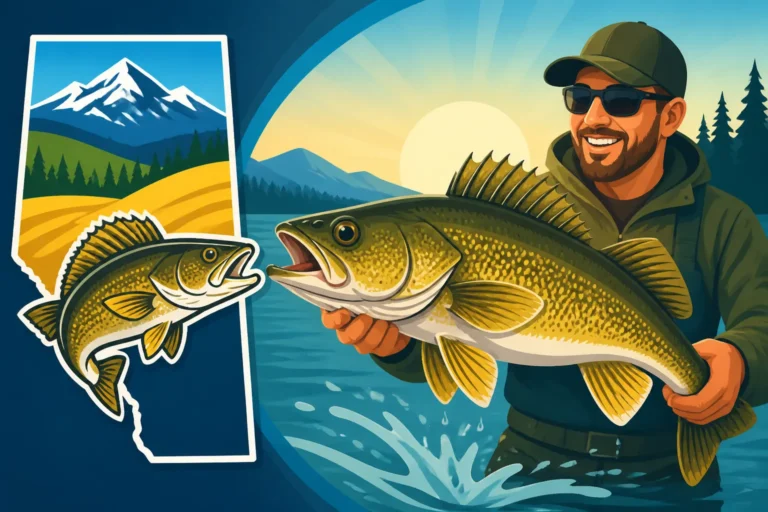
Walleye are one of Alberta's most popular sport fish, but their populations require careful management. As such, if you wish to retain a walleye, you almost always need to apply for and be awarded a Walleye Special Harvest Licence. This is typically done through a lottery-style draw system each year. You apply for a chance to receive a tag for a specific lake or fishing zone, and if successful, you pay a small fee for the tag. This tag allows you to keep a certain number of walleye (often just one or two) from that specific water body, within specific size limits and season dates. It's a critical component of conservation efforts and helps ensure sustainable walleye populations for future generations. For example, if you're hoping to fish for walleye on Lesser Slave Lake, you'll need to know the specific draw dates and application process, as outlined in articles covering the Alberta Walleye Limit by Zone. You won't find these tags on Amazon, they are strictly managed by the province!
Other Species-Specific Tags or Restrictions
While walleye tags are the most common additional permit, some other species might have unique restrictions. Bull trout, for instance, a native and highly sensitive species, often have a zero-possession rule in many waters, meaning you must release them immediately and unharmed. This is explained in detail in Alberta Bull Trout Zero Possession Rule. While not a "tag" you purchase, it's a critical regulation that overrides the general Sportfishing Licence. Other species like lake trout might have specific limits or seasons on certain large lakes, such as the Alberta Lake Trout Limit on Cold Lake, which are distinct from general zone regulations. Always review the detailed species regulations in the yearly guide to avoid any issues.
Table of Common Resident Licences and Permits
To help you keep track, here's a quick summary of the common resident licensing requirements:
| Licence/Permit Type | Who Needs It | Purpose | Validity Period | Mandatory for WIN Card? |
|---|---|---|---|---|
| WIN Card | All resident anglers 16-64 (or those needing a tag) | Wildlife Identification Number; required to purchase any licence | 5 Years | N/A (It is the ID) |
| Resident Sportfishing Licence | Residents aged 16-64 | General fishing authorization for most provincial waters | 1 Year | Yes |
| Walleye Special Harvest Licence | Any resident angler wishing to retain walleye | Allows retention of specific walleye, if drawn | 1 Year | Yes |
| National Park Fishing Permit | Any angler fishing in Banff/Jasper National Parks | Separate permit for National Park waters | Varies | No (Parks Canada) |
This table illustrates that while your Sportfishing Licence is central, it's part of a broader regulatory framework designed to protect Alberta's precious aquatic ecosystems.
Staying Informed and Compliant
The world of fishing regulations isn't static; rules, seasons, and limits can change from year to year based on scientific data and conservation needs. As an Alberta resident angler, it's your responsibility to stay up-to-date.
Accessing the Regulations
The primary source for all current fishing regulations in Alberta is the annual Alberta Guide to Sportfishing Regulations. This guide is published by Alberta Environment and Protected Areas and is available both online and in print at most license vendors. You can also use the Alberta Fishing Regulations App and Zone Lookup, Explained, which is an invaluable tool for on-the-go access to current rules. Before every fishing trip, especially if you're heading to a new area or a different season, take a few minutes to quickly review the guide for the specific zone and water body you'll be visiting. Things like Alberta Zone-Specific Season Dates, Explained can vary wildly even between adjacent areas.
Understanding Conservation and Compliance
Every regulation, every license class, every tag, and every limit is put in place for a reason: conservation. Alberta's fisheries are a precious resource, and responsible angling ensures that they remain vibrant for generations to come. Understanding your Alberta Fishing License Age Requirements, fulfilling your licensing obligations, and adhering to all rules contributes directly to these conservation efforts. It means respecting bag limits, knowing size restrictions, using appropriate gear (like barbless hooks in designated waters), and practicing safe catch and release, especially for sensitive species like bull trout. Your compliance isn't just about avoiding fines; it's about being a steward of our natural environment.
Disclaimer
The information provided in this guide is for general informational purposes only and is not a substitute for the official Alberta Guide to Sportfishing Regulations. Regulations can change frequently. Always consult the most current official guide and relevant government resources before engaging in any fishing activities.