Alberta Fishing License for Disabled Residents
It can feel incredibly frustrating to want to enjoy the peace and quiet of an Alberta fishing trip, only to be met with confusing regulations and processes for acquiring a license, especially if you live with a disability. Many folks wonder if there are special provisions, discounts, or even exemptions to make fishing more accessible. This comprehensive guide is here to cut through the confusion, clearly outlining everything you need to know about securing an Alberta fishing license as a disabled resident, ensuring you can spend more time on the water and less time navigating bureaucracy.
Eligibility and Requirements for Disabled Resident Fishing Licenses
Navigating the specific criteria for a disabled resident fishing license in Alberta can sometimes feel like trying to land a monster walleye with a twig and some dental floss – it’s tricky and often leaves you feeling a bit underprepared. The province does recognize the importance of making outdoor activities like fishing accessible to everyone, and there are indeed provisions in place. However, understanding exactly who qualifies and what documentation you'll need is the crucial first step. It's not just about having a disability; it's about meeting the provincial definition and proving it.
Defining Disability for Licensing Purposes
When we talk about "disabled residents" in the context of an Alberta fishing license, it’s not a blanket term. The eligibility criteria are quite specific and generally align with federal and provincial definitions of disability that impact daily living or participation in certain activities. For fishing license purposes, this typically refers to individuals who have a permanent physical or mental impairment that substantially restricts their ability to perform activities essential to daily living, or in some cases, specifically impacts their ability to participate in hunting or fishing activities without assistance. This isn't just about a temporary injury; it’s about a long-term, recognized condition.
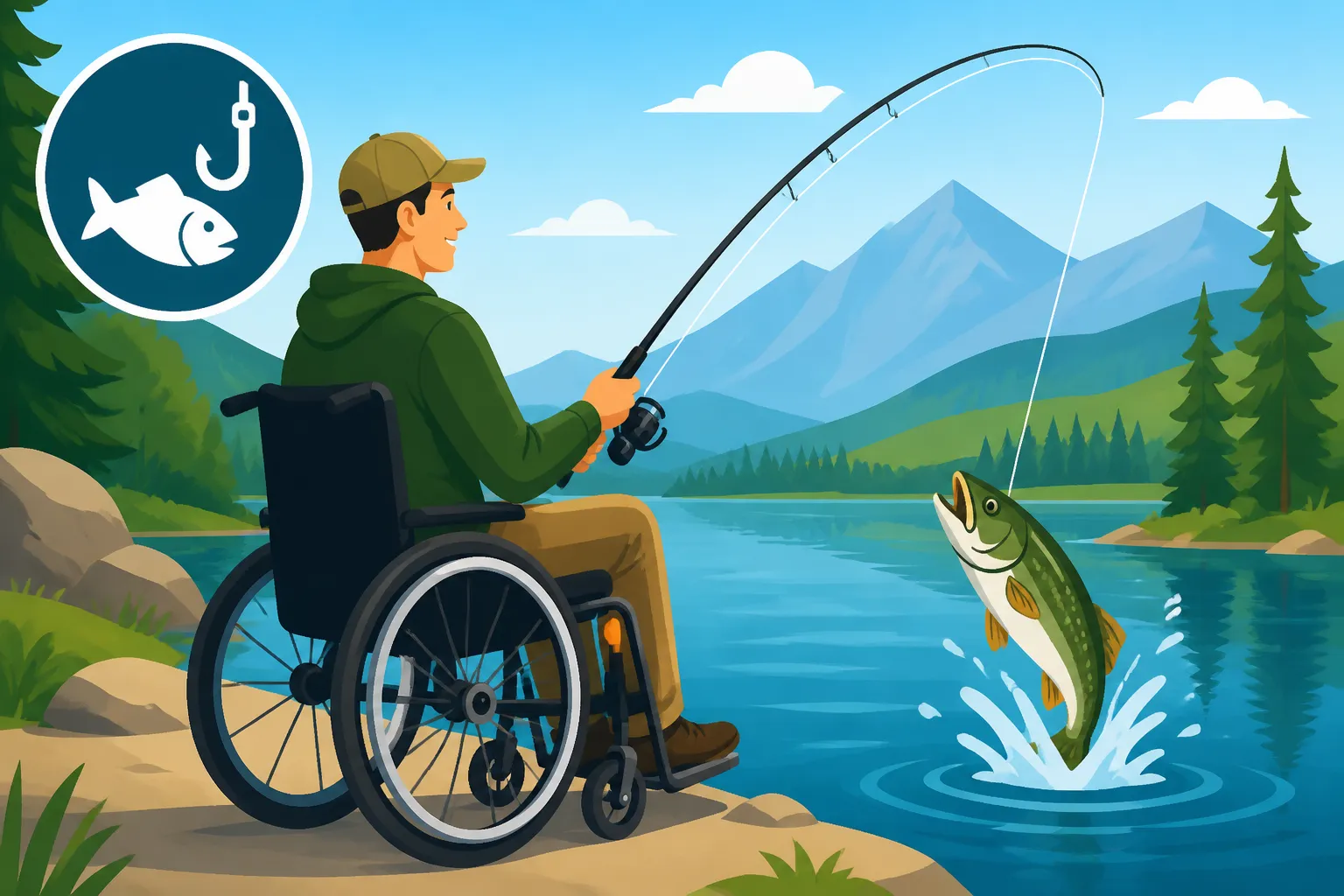
For instance, someone who uses a wheelchair due to a spinal injury, or an individual with a severe visual impairment, would likely meet these criteria. The key is often the permanence and impact of the impairment. It's designed to support those who truly need it, ensuring that the system isn't overwhelmed by temporary claims. While the provincial government doesn't offer a specific "disabled resident" license type as a distinct category with automatic fee exemptions like some other jurisdictions might, it's crucial to understand how existing disability benefits and certifications can influence your eligibility for other related programs, or support a need for accommodations, which we'll discuss further. The focus is more on how your disability affects your ability to purchase and utilize a standard license, or if it qualifies you for a specific exemption under certain circumstances.
Required Documentation and Proof of Disability
To qualify for any potential accommodations or exemptions related to your disability when applying for an Alberta fishing license, you'll need robust documentation. Simply stating you have a disability isn't enough; the province requires official proof to prevent misuse of the system. This usually means providing official government-issued identification that verifies your disability status. For example, individuals who receive certain provincial disability benefits, such as those under the Assured Income for the Severely Handicapped (AISH) program in Alberta, often have documentation that can be used. Other forms of proof might include a doctor's certificate detailing your permanent impairment, or a valid Canadian Disability Tax Credit certificate from the Canada Revenue Agency.
It's vital that whatever documentation you provide clearly states the nature and permanence of your disability. You might not be asked for it at the exact moment of purchase, especially if buying a standard license, but it's essential to have it readily available if you're seeking a specific exemption or benefit, or if you're ever questioned by a Fish and Wildlife Officer. Always carry this proof with you when fishing, alongside your regular license and WIN card. Think of it like carrying your vehicle registration – you hope you don't need it, but you definitely want it if you get pulled over. Having these documents organized, perhaps in a waterproof pouch you might grab from Amazon, can save a lot of headaches down the line.
Residency Rules for Anglers with Disabilities
Just like any other angler, disabled residents seeking an Alberta fishing license must meet the province's residency requirements. This means you must be a Canadian citizen or have resided in Alberta for the immediately preceding three months. Your disability status doesn't change these fundamental rules. You still need to be able to prove that Alberta is your primary home. This might involve showing your Alberta driver's license, a utility bill, or other official documents that confirm your address and the length of your stay.
If you're a non-resident of Alberta but a Canadian citizen, you'd fall under the non-resident Canadian category, and if you're an international visitor, you'd be a non-resident non-Canadian. The fees and rules for these categories are different, and while your disability may still be recognized for certain accommodations (like having an assistant), it won't magically grant you resident pricing. It’s always best to understand the distinction between a resident vs non-resident fishing license costs in Alberta before you even start looking at disability-specific provisions, as residency forms the foundation of all licensing. Make sure your proof of residency is as clear-cut as your disability documentation to avoid any application snags.
Applying for Your Alberta Fishing License as a Disabled Resident
The application process for an Alberta fishing license is generally streamlined, but for disabled residents, there might be specific considerations or resources to be aware of. While the core steps remain similar for everyone, knowing your options for online assistance or in-person support can make a world of difference. It's about finding the path of least resistance to get that license in your hand so you can enjoy Alberta's fantastic waters.
Understanding the Online Application Process
The most common and often easiest way to get your fishing license in Alberta is through the MyWildAlberta portal. This online system is designed to be user-friendly, allowing you to purchase your license and WIN card from the comfort of your home. For many disabled residents, especially those with mobility challenges, this is a huge advantage. You simply create an account, or log in if you already have a WIN card, navigate to the fishing license section, and follow the prompts. The system will guide you through selecting the appropriate license for the current season, and you can pay securely online.
While there isn't a specific "disabled resident" checkbox for a different license type, this is where you'd purchase your standard annual fishing license. Remember, the key is knowing if your disability qualifies you for a full exemption from needing a license, which we'll cover, rather than a special license class. For most, you'll simply purchase the standard resident fishing license. The process for printing or carrying a digital fishing license in Alberta is also straightforward once purchased, offering flexibility for how you carry proof of your license. If you encounter any technical issues or have questions about the online steps, the MyWildAlberta portal typically has a robust FAQ section, or you can find their contact information for support.
In-Person Options and Assistance
Despite the convenience of online applications, some individuals prefer or require in-person assistance. This is particularly true for those who might have visual impairments, lack reliable internet access, or simply want to speak to a person directly to ensure they’re getting the correct information. You can purchase your Alberta fishing license at various authorized vendors across the province. These include many sporting goods stores, larger retail chains, and some independent shops. When visiting a vendor, bring your WIN card number, proof of Alberta residency, and if applicable, your disability documentation.
Don't hesitate to ask the vendor for assistance. Most license agents are knowledgeable and can help you navigate the system. If you have specific questions about disability provisions or need clarification on certain regulations, it might be beneficial to contact a Fish and Wildlife office directly before your visit, or at least have their phone number handy. While vendors can sell licenses, detailed policy questions are often best directed to the regulating body. It’s important to note that if you require assistance with the application itself, such as someone helping you fill out forms due to a motor skill impairment, this is generally welcomed at these locations.
Renewing Your License and WIN Card
Your Alberta fishing license is only valid for a specific period, typically until March 31st of the following year, regardless of when you purchase it. Your WIN (Wildlife Identification Number) card, however, is a one-time purchase that lasts for five years. Both will need to be renewed to keep you legally fishing. For disabled residents, the renewal process is the same as for any other angler. You can renew both your WIN card and your fishing license online through the MyWildAlberta portal, or in person at an authorized vendor.
When renewing your WIN card, there's a small Alberta WIN card activation fee. The good news is that if you renew online, there's often a small discount. Keep an eye on the expiry dates for both your license and WIN card, as fishing without a valid license or WIN card can result in significant penalties. Setting a reminder on your phone or marking your calendar is a great habit. If your disability status has changed, or if you now qualify for a different program, ensure you have updated documentation when renewing, especially if you anticipate needing to leverage any new exemptions or assistance programs.
Understanding the Benefits and Special Considerations
Alberta recognizes that not all anglers face the same circumstances. For disabled residents, there are specific benefits and considerations designed to make fishing more accessible and affordable. It's about leveling the playing field so everyone can enjoy the province's incredible angling opportunities. Knowing what these are can significantly enhance your fishing experience.
Fee Exemptions for Qualifying Individuals
Here's where it gets really interesting for disabled residents: Alberta does offer a specific exemption from needing a sportfishing license for certain individuals. While there isn't a discounted license you purchase, qualifying individuals are exempt from purchasing the annual Alberta Sportfishing Licence. To be eligible for this exemption, you must be a resident of Alberta and receive benefits under the Persons with Developmental Disabilities (PDD) program or the Assured Income for the Severely Handicapped (AISH) program.
This is a huge benefit, as it completely removes the cost barrier of the annual license. If you qualify under either of these programs, you still need to obtain a valid Alberta WIN card, which is a fundamental requirement for anyone participating in hunting or fishing activities in the province. The WIN card is essential for tracking your harvest and ensuring compliance with regulations. So, while you're exempt from the license fee, the Alberta WIN Card, Explained details why the WIN card itself is still a must-have. Always carry proof of your PDD or AISH status, along with your WIN card, whenever you are fishing. This documentation serves as your "license" in lieu of a purchased one.
| Requirement/Benefit | All Resident Anglers | Disabled Resident (General) | Disabled Resident (AISH/PDD) |
|---|---|---|---|
| WIN Card Required | Yes | Yes | Yes |
| Sportfishing License Required | Yes | Yes | No (Exempt) |
| Proof of Residency | Yes | Yes | Yes |
| Disability Documentation | No | Recommended/Required for accommodations | Required for Exemption |
| Annual License Cost | Standard Fee | Standard Fee | $0 (Exempt) |
Special Regulations and Permits
Beyond the fee exemption, there aren't many special fishing regulations or permits exclusively for disabled residents that alter daily limits or season dates. However, some general regulations might be particularly relevant or beneficial. For instance, some waters might be designated "Special Regulation Waters in Alberta" which could mean catch-and-release only, barbless hooks, or specific bait restrictions. These apply to everyone, but understanding them is key to staying legal.
What does often come up is the ability to have a designated companion assist a disabled angler. While this isn't a "special permit," the Alberta Guide to Sportfishing Regulations does often include provisions for assistance, such as helping with casting, baiting, or landing fish, without the assistant needing their own license to participate in the act of helping, as long as they are not actively fishing themselves (i.e., holding their own rod). If the assistant is also fishing with their own gear, they must have their own valid WIN card and fishing license. It’s always best to consult the current year's regulations for the most up-to-date information on this, as rules can sometimes be nuanced.
Companion Angler Provisions
The idea of a "companion angler" or assistant is incredibly important for many disabled residents who wish to fish. Alberta's regulations are generally accommodating in allowing a person to assist another angler with a disability. This might involve helping to cast, retrieve a snagged line, bait a hook, or even net a fish. The key distinction, as mentioned, is that the companion is assisting and not fishing themselves with a separate rod and line. If they are actively fishing, they absolutely need their own Alberta Fishing License Guide for 2026.
This provision means that a friend, family member, or caregiver can accompany a disabled angler and provide necessary support, making the experience much more enjoyable and feasible. Imagine someone with limited mobility struggling to bait a small hook – having a companion there to help with those fine motor skills ensures they can still participate fully. This companionship also adds a layer of safety, which is paramount, especially when fishing in more remote locations or during colder weather. Always clarify these points in the current regulations to ensure both you and your companion are compliant.
Accessibility and Support for Disabled Anglers
Fishing should be for everyone, and ensuring accessibility is a huge part of making that a reality. In Alberta, efforts are being made to improve access to fishing locations and provide tools that empower disabled anglers to enjoy the sport fully. It’s not just about having the license; it’s about having the means and opportunity to use it.
Accessible Fishing Locations and Facilities
While Alberta boasts thousands of lakes and rivers, finding truly accessible fishing locations can sometimes be a challenge. However, there's a growing movement to create and highlight spots with features like paved pathways to piers, accessible washrooms, and barrier-free docks. Many provincial parks and managed recreation areas are increasingly focusing on this. For example, some municipal parks in cities like Calgary or Edmonton that feature stocked ponds often have accessible pathways and docks. Places like the ponds in Fish Creek Provincial Park in Calgary or Hermitage Park in Edmonton might offer better access.
Beyond urban areas, some larger, popular lakes might have resort areas or public docks that are more wheelchair-friendly. It’s always a good idea to research specific locations beforehand. Websites for Alberta Parks, or local municipal recreation departments, often provide details on accessibility features. You can also look for fishing clubs or disability support groups in Alberta that might have first-hand knowledge of accessible spots. Planning your trip around known accessible locations can drastically improve your experience and reduce unexpected frustrations.
Adaptive Fishing Gear and Equipment
The world of fishing gear has come a long way, and adaptive equipment is making fishing possible for more people than ever before. For disabled anglers, this can be a game-changer. There's a wide array of specialized equipment designed to assist with various physical limitations. This could include rod holders that attach to wheelchairs, electric reels for those with limited arm strength, or specialized grips and handles for rods. Even simpler aids, like tools for easily tying knots or baiting hooks, can make a huge difference.
You can often find these types of products at larger sporting goods stores or, more conveniently, through online retailers like Amazon, which offers a vast selection of adaptive fishing tools. Searching for "adaptive fishing gear" or "fishing aids for disabled" can yield many innovative solutions. Investing in the right adaptive gear not only makes fishing easier but also enhances independence and enjoyment on the water. It’s about tailoring the equipment to you, rather than trying to adapt yourself to standard gear.
Community Support and Resources
Connecting with community support groups and organizations can be incredibly beneficial for disabled anglers. These groups often share information on accessible fishing spots, adaptive gear recommendations, and even organize outings tailored for individuals with disabilities. For example, organizations like Fishing Has No Boundaries, though primarily U.S.-based, have sister organizations or principles that inspire local efforts to provide accessible fishing experiences. Within Alberta, local fishing clubs, disability advocacy groups, or even specific government programs related to outdoor recreation may offer resources or connect you with like-minded anglers.
Don't underestimate the power of shared experience. These communities can provide invaluable tips on everything from the best time of year to fish in Alberta to how to navigate specific challenges. They can also be a fantastic source of companionship, turning a solitary activity into a social one. A quick search online for "disabled fishing Alberta" or "accessible recreation Alberta" can often lead you to local groups and resources that are eager to help.
Common Misconceptions and Troubleshooting
It’s natural to have questions, and sometimes, misinformation can spread like wildfire. When it comes to fishing licenses for disabled residents in Alberta, there are a few common misunderstandings that can trip people up. Let's clear the air and provide some practical advice for when things don't go as planned.
Dispelling Common Myths About Disability and Licenses
One of the biggest myths is that all disabled residents automatically get a free fishing license. As we've discussed, this isn't quite true; the exemption is specifically for those receiving PDD or AISH benefits. If you have another type of disability but don't fall into those categories, you'll still need to purchase a standard resident fishing license. While many wish this wasn't the case, it's important to understand the actual regulations to avoid being caught without a valid license.
Another misconception is that if you have a disability, you're exempt from all other fishing regulations. This is absolutely not true. Regardless of your license status or disability, you must still adhere to all Alberta fishing regulations explained, including bag and possession limits, season dates, and specific rules for certain water bodies. Your disability status does not grant you a pass on these rules. For instance, the Alberta Bull Trout Zero Possession Rule applies to everyone. It's crucial to always carry the current Alberta Guide to Sportfishing Regulations (or have the app on your phone) and understand the rules for the zone you're fishing in.
What to Do if Denied an Exemption or License
If you believe you qualify for a license exemption (under PDD or AISH) but are told you don't, or if you encounter issues purchasing a standard license, don't panic. The first step is to calmly clarify why you're being denied. Is it a misunderstanding of your documentation? Is the vendor unfamiliar with the specific exemption? Ensure you have all your official paperwork with you that proves your PDD or AISH status, or your residency.
If the issue persists, your best course of action is to contact Alberta Environment and Protected Areas directly. Their fisheries branch or customer service line can provide authoritative clarification on regulations and eligibility. You can usually find their contact information on the MyWildAlberta website. Documenting your attempts, including dates, times, and who you spoke with, can be helpful if further follow-up is needed. Remember, patience and polite persistence are key when troubleshooting bureaucratic hurdles.
Contacting Alberta Environment and Protected Areas
When you have specific questions about regulations, exemptions, or need assistance that a general license vendor can't provide, contacting Alberta Environment and Protected Areas (AEPA) is your best bet. They are the governing body responsible for fish and wildlife management and will have the most accurate and up-to-date information. You can typically reach them via phone or email, and sometimes they have regional offices you can visit.
Be prepared to clearly state your question, provide details about your situation (e.g., your disability, if it relates to a specific exemption like PDD/AISH), and any documentation you have. They can provide clarification on topics like the Alberta fishing license age requirements, specific zone regulations, or even guide you through the process of how to buy an Alberta fishing license online if you're having trouble. Don't hesitate to reach out; they are there to help ensure everyone can enjoy Alberta's natural resources responsibly.
Disclaimer
Please be aware that fishing regulations and policies, including those related to disability exemptions, can change. While this guide aims to provide accurate and up-to-date information, it is essential to consult the official Alberta Guide to Sportfishing Regulations for the current year and the MyWildAlberta website before planning your fishing trip. The information provided here is for general guidance only and should not be considered legal advice.