Fishing Without a License in Alberta: Penalties
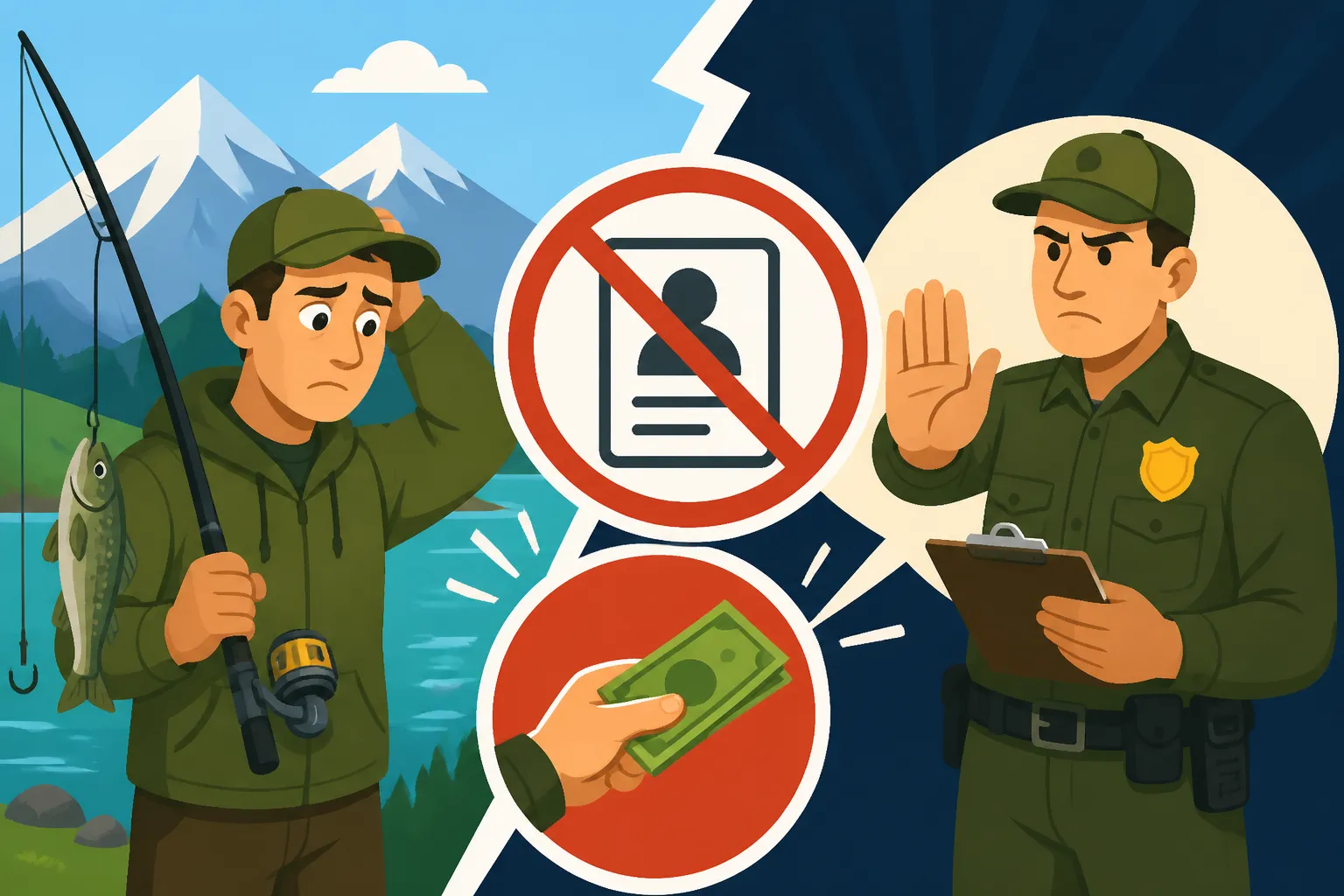
It’s a scenario no angler wants to face: you're out on a beautiful Alberta lake or river, casting away, completely lost in the moment, when suddenly a Fish and Wildlife Officer approaches. Your heart sinks because you realize, with a sickening lurch, you forgot your fishing license, or worse, never bought one. The consequences of fishing without a license in Alberta can be far more serious than just a slap on the wrist. This guide will meticulously break down the potential penalties, legal implications, and long-term impacts, ensuring you understand exactly what's at stake and how to stay compliant.
The Foundation: Why a License is Non-Negotiable
Before we even get to the penalties, it's crucial to understand why Alberta requires fishing licenses. It’s not just about collecting money; it's about managing a precious resource and ensuring sustainable angling opportunities for generations to come. Every dollar from license sales goes directly back into fisheries management programs, including fish stocking, habitat restoration, research, and enforcement. Without these funds, the incredible fishing experiences we cherish in Alberta simply wouldn't exist.
Understanding Alberta's Licensing System
Alberta's fishing license system is designed to be comprehensive, ensuring that anyone aged 16 to 64 years old, whether resident or non-resident, is contributing to the health of our waters. There's a structure to it all, from the annual sportfishing license to various special harvest tags. You’ll first need an Alberta Wildlife Identification Number (WIN) Card, which is your unique ID number in the provincial wildlife management system. Think of it like your angler's passport. Once you have that, you can purchase your actual fishing license. This system helps Alberta Environment and Protected Areas track angler participation and manage catch limits effectively. If you're looking for a deeper dive, our guide on the Alberta Fishing License Guide for 2026 covers all the nuances.
Who Needs a License and Who is Exempt
The general rule of thumb is that if you're fishing in Alberta, you need a license. However, like most rules, there are some specific exemptions that often trip people up.
- Youth: Anglers under the age of 16 are typically exempt from needing a license. This is fantastic news for families, encouraging young ones to get out and enjoy the sport without the barrier of an initial purchase. However, they are still bound by all other regulations, including bag limits and bait restrictions. It’s important for accompanying adults to ensure these young anglers understand and follow the rules. You can find more details in our article on the Alberta Youth Fishing License Exemption Under 16.
- Seniors: Alberta residents aged 65 and over are also exempt from needing a sportfishing license. This is a wonderful initiative that recognizes the contributions of our seniors and encourages them to continue enjoying the outdoors. Similar to youth, these senior anglers must still adhere to all provincial fishing regulations. Our detailed guide on the Alberta Senior Fishing License Exemption at 65 has more information.
- Indigenous Peoples: Indigenous peoples of Canada exercising their treaty rights are also exempt from needing a provincial fishing license.
- Individuals on designated free fishing days: Occasionally, the province designates specific days where a license is not required. These are rare and widely advertised, usually in the summer months. Don't assume every weekend is a free fishing weekend!
It's absolutely essential to confirm your exemption status if you think you might qualify. A quick check of the official Alberta Guide to Sportfishing Regulations or the MyWildAlberta website can save you a lot of hassle and potential penalties. Assuming you’re exempt when you’re not is a common, and costly, mistake.
Immediate Consequences: What Happens on the Water
So, you're caught without a license. What actually happens? It’s not a scene from a movie where you just get told to go home. The reality is far more direct and, frankly, intimidating. Fish and Wildlife Officers are trained professionals, and they take their role in protecting Alberta’s natural resources very seriously.
The Initial Encounter with Enforcement
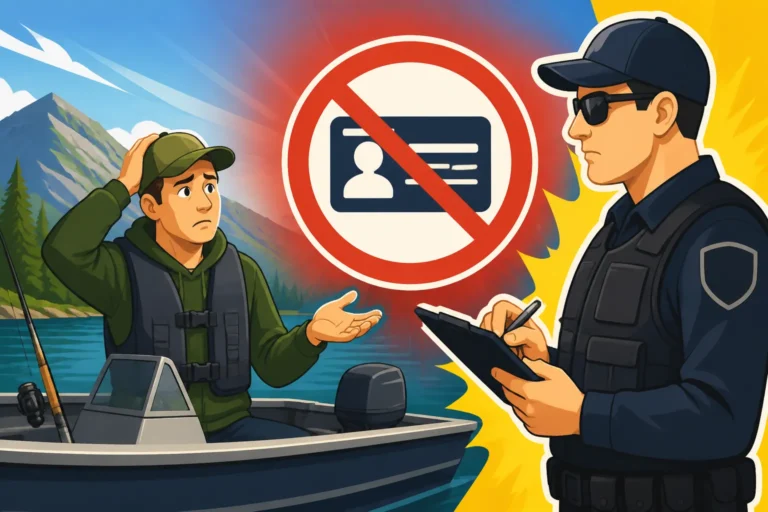
When a Fish and Wildlife Officer approaches, their primary goal is to ensure compliance with provincial regulations. If you're found fishing without a valid license, they will first confirm your identity and verify your licensing status through their system. This isn't just a friendly chat; it's an official investigation. You will be asked to produce identification, and the officer will explain the violation.
- Identification: Always have proper ID with you. If you can't identify yourself, this can complicate matters significantly and potentially lead to further legal issues, including being detained until your identity can be confirmed.
- Documentation Check: The officer will check if you have a valid WIN card and a current sportfishing license. If you're carrying a digital version of your license, ensure your phone is charged and you can access it easily. Printing or Carrying a Digital Fishing License in Alberta explains how to best manage this.
- The Ticket: Almost inevitably, you will be issued a violation ticket. This isn't just a warning; it’s a formal charge. The ticket will specify the offense, the fine amount, and provide instructions on how to pay or contest the charge. Resisting or being uncooperative with an officer will only worsen the situation, potentially leading to additional charges like obstruction.
It's a really disheartening moment, especially if it was an honest mistake. But remember, ignorance of the law is rarely an acceptable defense. The onus is on you to ensure you are licensed and compliant before casting a line.
Seizure of Gear and Catch
This is where it can get particularly painful for anglers. Beyond the ticket, Fish and Wildlife Officers have the authority to seize any fish caught and, in some cases, your fishing gear.
- Seizure of Fish: Any fish you have in your possession will almost certainly be seized. This is because, without a license, any fish caught are considered to have been taken illegally. This applies whether you've caught one small perch or a trophy walleye. The fish are typically forfeited and may be donated or disposed of according to provincial policy.
- Seizure of Gear: In more serious or repeat offense situations, or at the officer's discretion, your fishing rod, reel, and even other tackle could be seized. Imagine having your favourite rod, the one passed down from your grandfather, taken away because of a forgotten license. This act isn't meant to be punitive for the sake of it, but rather to prevent further illegal activity and to serve as a stark reminder of the gravity of the offense. For instance, if you were fishing a special regulation waterbody requiring specific gear (like barbless hooks) and lacked a license, the combination might lead to gear seizure. While this is less common for a simple "no license, first offense" scenario, it's definitely a possibility and a real consequence.
The loss of your catch is disappointing, but the potential loss of expensive or sentimental gear can be a truly upsetting blow, emphasizing the importance of double-checking your compliance every single time you head out.
Legal Ramifications: Fines and Court Appearances
The immediate interaction with an officer is just the beginning. The violation ticket comes with a fine, and depending on the severity and specific circumstances, it could also lead to a mandatory court appearance.
Standard Fines for License Violations
The exact fine for fishing without a license in Alberta can vary, but it's rarely a trivial amount. The province has a schedule of fines for various infractions under the Wildlife Act and the Fisheries (Alberta) Act.
- Initial Fines: For a first offense of fishing without a valid sportfishing license, you can generally expect a minimum fine of several hundred dollars. For instance, current regulations often peg the base fine around $150 to $300, but these numbers can fluctuate based on specific regulations and the discretion of the issuing officer. Remember, this fine is in addition to the cost you would have paid for the license itself.
- Additional Charges: The "no license" charge might not be the only one. If you were also found to be over the bag limit, using illegal bait, fishing out of season, or in a closed area, these would be separate, additional charges, each carrying their own fines. This is why understanding the Alberta Fishing Regulations Explained is so vital.
Here's a simplified look at potential financial implications, though these are subject to change and should always be verified with current regulations:
| Offense | Typical Minimum Fine Range (CAD) | Potential Additional Costs |
|---|---|---|
| Fishing without a valid Sportfishing License (First Offense) | $150 – $350 | Court costs, surcharges |
| Fishing without a valid Sportfishing License (Repeat Offense) | $500 – $1,500+ | Court costs, surcharges, license suspension, equipment seizure |
| Fishing in a closed season/area | $200 – $500+ | Court costs, surcharges, license suspension, equipment seizure, forfeiture of catch |
| Possession of prohibited fish species | $500 – $2,000+ per fish | Court costs, surcharges, license suspension, equipment seizure, forfeiture of catch |
It's clear that the cost of a license (which typically ranges from $20-$40 for residents) is a minuscule investment compared to the fines you could face. It's truly penny-wise and pound-foolish to skip out on it.
Escalating Penalties for Repeat Offenders and Serious Breaches
The legal system doesn't look kindly on repeat offenders. If you've been caught fishing without a license before, the penalties will become significantly harsher.
- Increased Fines: A second or subsequent offense for fishing without a license will likely result in a substantially higher fine. These can easily jump into the $500 to $1,500 range, or even higher, depending on the number of previous offenses and other aggravating factors.
- Mandatory Court Appearance: For serious infractions, or if you're a repeat offender, you might receive a summons to appear in court rather than just a ticket you can pay online. This means you'll need to allocate time and potentially legal fees to address the charge, adding another layer of expense and stress to the situation.
- Maximum Penalties: The Wildlife Act and Fisheries (Alberta) Act allow for substantial maximum penalties. For individuals, these can include fines up to $100,000 and/or imprisonment for up to two years, though these extreme measures are typically reserved for very severe cases, such as commercial poaching or repeated, deliberate violations of protected species regulations. However, it illustrates the legal framework in place to protect our natural resources.
The message is clear: the system is designed to deter illegal activity, and if you continually disregard the rules, the consequences will escalate rapidly and severely.
Long-Term Impacts: Beyond the Initial Fine
While the immediate shock of a ticket or gear seizure is tough, the ramifications of being caught fishing illegally can extend far beyond the initial incident, impacting your future angling opportunities and even your personal record.
Suspension of Future Fishing Privileges
One of the most significant long-term penalties for fishing without a license, especially for repeat offenders or serious infractions, is the suspension of your fishing privileges. This isn't just about not being able to buy a license for a year; it can be a multi-year ban.
- Duration of Suspension: Depending on the severity of the offense and your history, a suspension could range from one year to a lifetime ban. Imagine not being able to fish the Bow River for a trophy trout, or target walleye on Lesser Slave Lake, for years, all because you skipped a basic license purchase. For avid anglers, this can be truly devastating, cutting them off from a cherished pastime.
- Inter-Provincial Implications: While primarily an Alberta penalty, serious suspensions can sometimes be recognized by other provinces and territories through agreements, potentially impacting your ability to fish across Canada. Always consult with the relevant authorities if you have questions about inter-provincial license issues.
- WIN Card Suspension: A suspension of fishing privileges often comes hand-in-hand with a suspension of your WIN Card. Since a WIN Card is required for all hunting and fishing licenses in Alberta, losing it effectively cuts you off from all these activities. This is a powerful deterrent designed to ensure compliance. More details on the Alberta WIN Card, Explained are available if you want to understand its importance.
The long-term inability to participate in a sport you love is a heavy price to pay, underscoring the importance of always being legal and ethical in your angling pursuits.
Damage to Your Reputation and Record
While not a tangible fine, the damage to your reputation and the creation of a legal record are very real consequences.
- Public Record: Many wildlife and fisheries violations are part of public record. While not necessarily a criminal record in the same vein as serious criminal offenses, it is a legal infraction that can appear on background checks in certain circumstances. This could potentially impact employment opportunities, especially in fields requiring a clean legal history or working with natural resources.
- Community Standing: Within the angling community, being known as someone who flouts regulations can carry a significant stigma. Most anglers are passionate conservationists and have little patience for those who undermine the health of the fisheries through illegal activities. You might find yourself unwelcome in certain angling circles or feeling embarrassed by your actions.
- Personal Integrity: Beyond external perceptions, there's the internal impact. Knowing you acted outside the rules can erode your own sense of integrity and enjoyment of the sport. True conservationists take pride in their adherence to regulations, understanding that they are contributing to a greater good.
This isn't just about avoiding a fine; it's about being a responsible steward of Alberta's natural environment and maintaining your good standing both legally and within the angling community.
Avoiding the Pitfall: Ensuring You're Always Compliant
The good news is that avoiding these penalties is incredibly straightforward. It simply requires a bit of planning and consistent attention to detail.
How to Properly Obtain and Carry Your License
Getting your fishing license in Alberta is easier than ever, thanks to online platforms and numerous vendors. There's really no excuse to be without one.
- The MyWildAlberta Portal: The most convenient way to purchase your license is online through the official MyWildAlberta portal. It's user-friendly, and you can buy your WIN Card and your fishing license in one go. You simply log in, select the appropriate licenses (e.g., resident or non-resident, annual, 1-day, or 7-day, depending on your needs), and pay. You'll instantly receive a digital copy you can print or save to your phone. For detailed steps, refer to our guide on How to Buy an Alberta Fishing License Online.
- Authorized Vendors: Many sporting goods stores, outdoor retailers (like those you might find on Amazon's sporting goods section or local shops like Cabela's or Wholesale Sports), and even some convenience stores are authorized license vendors. They can help you get your WIN Card and license on the spot. This is especially helpful if you're heading out spontaneously and realize you need a license.
- Carrying Your License: Once you have it, always carry it with you when you're fishing.
- Printed Copy: A laminated paper copy is always a good idea. It's waterproof and doesn't rely on battery life.
- Digital Copy: Saving the PDF to your phone is convenient. Ensure it’s easily accessible, perhaps in a dedicated folder or even as a screenshot. It's also smart to carry a small portable charger for your phone, just in case.
- Proof of Residency/Age: If you're a resident claiming an exemption (like seniors) or are under 16, always carry valid government-issued photo identification that confirms your age and residency.
Double-checking your wallet or fishing vest for your license should be as routine as checking for your car keys before you leave the house.
Staying Informed on Alberta's Regulations
Beyond just having a license, staying up-to-date with the ever-changing regulations is paramount. Boundaries, season dates, and specific rules for certain water bodies can change annually.
- Annual Regulations Guide: The Alberta Guide to Sportfishing Regulations is your bible. It's published annually and available online as a PDF, or in print at most license vendors and Fish and Wildlife offices. Reading the Alberta Guide to Sportfishing Regulations is not optional; it's fundamental to responsible angling.
- MyWildAlberta Website & App: The MyWildAlberta website is an invaluable resource for the latest information. Many anglers also use the MyWildAlberta app, which can help you identify fishing zones and regulations on the go. This is a game-changer for on-the-water compliance.
- Zone-Specific Rules: Alberta is divided into several fishing zones, and each zone, and often specific lakes or rivers within them, has its own set of rules. For example, some sections of the Bow River might have special catch-and-release rules, while nearby lakes might have specific bait restrictions. Ignorance of zone-specific rules is not a defense, and can lead to penalties just as severe as not having a license. Our article on Alberta Zone-Specific Season Dates, Explained can help clarify this complexity.
- Conservation Efforts: Regulations exist to protect fish populations. Understanding why certain rules are in place (e.g., bull trout zero possession rule, or specific walleye limits) fosters a deeper respect for the regulations and encourages voluntary compliance.
Make it a habit to review the regulations at the start of each fishing season and whenever you plan to fish a new body of water. A few minutes of reading can save you hundreds, if not thousands, of dollars and prevent the heartache of losing your fishing privileges.
Special Circumstances and Common Misconceptions
There are a few areas where anglers often get confused or have specific questions about licensing requirements, especially concerning visitors to the province or group outings.
Non-Residents and Their Unique Requirements
Alberta's fisheries are a huge draw for anglers from across Canada and around the world. However, non-residents have slightly different licensing requirements and costs.
- Different License Types: Non-resident Canadian and non-resident non-Canadian anglers generally pay a higher fee for their licenses. There are options for annual licenses, as well as shorter-term licenses like the Alberta 1-Day Non-Resident Fishing License Cost or the Alberta 7-Day Non-Resident Fishing License Cost, which are convenient for shorter trips.
- WIN Card Required: Just like residents, non-residents must first obtain a WIN Card before purchasing any fishing license.
- Understanding Reciprocity: Some anglers mistakenly believe that a fishing license from their home province or state is valid in Alberta. This is almost never the case. Alberta has its own jurisdiction, and its licenses are specific to its waters. While there might be very limited exceptions on some shared boundary waters (always check official regulations for such specific scenarios), assume you need an Alberta license to fish in Alberta. Our comparison of Resident vs Non-Resident Fishing License Costs in Alberta breaks down the differences.
- Guided Trips: Even if you hire a professional fishing guide, you are still responsible for possessing a valid Alberta fishing license. The guide cannot provide you with one, nor does their license cover your fishing activities. They can certainly help you navigate the process, but the onus remains on the individual angler.
Planning a fishing trip to Alberta as a non-resident requires a bit of foresight to ensure all licensing is in order before you arrive.
Navigating Group Fishing and Youth Exemptions
Fishing with family and friends is one of the joys of the sport, but it can also lead to confusion about who needs what license, especially when children are involved.
- Adult Supervision for Youth: While anglers under 16 don't need a license, if they are fishing with an adult who does have a license, the youth's catch may count towards the adult's bag limit, depending on the specific regulations and how they are fishing. It's crucial for the supervising adult to be fully aware of all rules to avoid inadvertently causing a violation. For example, if a child catches three pike and the adult's limit is three, the adult cannot then catch any more pike for themselves that day if the child's fish are considered part of the adult's possession limit.
- Sharing Gear: It's generally acceptable for multiple licensed anglers to share gear, but if someone is using your gear and doesn't have their own license, they are fishing illegally. Each person actively fishing needs their own valid license (unless exempt). A common scenario might be one person jigging while another uses a fly rod, or two people sharing a boat. As long as both are licensed, it’s fine.
- Understanding Possession Limits in Groups: When multiple licensed anglers are fishing together, each person can keep fish up to their individual possession limit. However, all fish kept must be personally caught by the licensed individual. You cannot "gift" your limit to someone else to allow them to exceed their own. Moreover, if fish are kept in a common cooler, it must be clear whose fish are whose, or the combined total must not exceed the combined legal limit for all licensed individuals present. Confusion here can easily lead to charges for exceeding bag limits.
These seemingly small details are important to clarify before you hit the water with a group, ensuring everyone has a fun, legal, and stress-free outing.
Disclaimer
The information provided in this guide is for general informational purposes only and does not constitute legal advice. Fishing regulations in Alberta are subject to change, and it is the sole responsibility of each individual angler to consult the most current Alberta Guide to Sportfishing Regulations and relevant provincial legislation to ensure full compliance. Alberta Fishing does not accept any liability for actions taken based on the information presented herein.