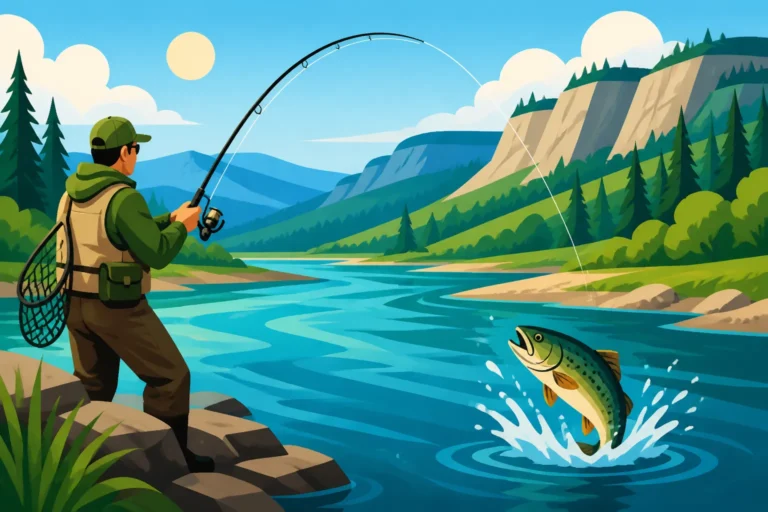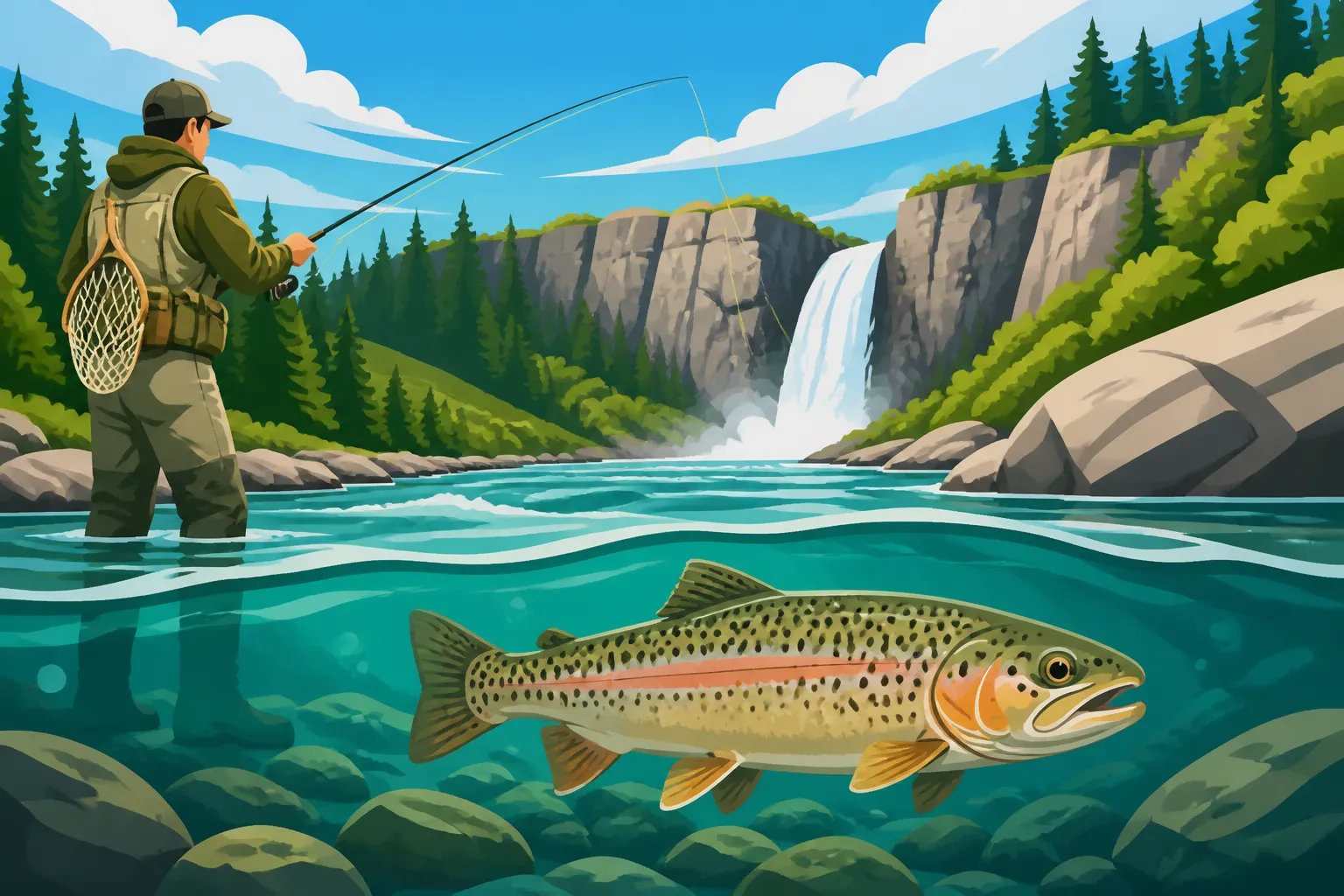
Best trout section on the Crowsnest River below Lundbreck Falls
There’s nothing quite like the clear, cold rush of an Alberta river, especially when you’re chasing feisty trout. But let's be real, showing up to a renowned spot like the Crowsnest River, especially the stretch below Lundbreck Falls, can feel a bit overwhelming if you don't know where to start. You’ve heard the legends, seen the pictures, and now you’re standing there, wondering which riffle or pool holds the real magic. This guide is all about cutting through the guesswork and pointing you directly to the most productive, exhilarating trout sections of the Crowsnest River below Lundbreck Falls, ensuring your next angling adventure is nothing short of spectacular.
Understanding the Crowsnest River Below Lundbreck Falls
The Crowsnest River, often affectionately called "The Crow" by locals, is a jewel in Alberta's trout fishing crown, particularly the sections flowing through the Crowsnest Pass. Below the dramatic drop of Lundbreck Falls, the river transforms, offering a diverse array of water types that appeal to both seasoned fly anglers and spin casters alike. This stretch is renowned for its healthy populations of rainbow trout, brown trout, and even native westslope cutthroat trout, along with the occasional bull trout which, remember, is strictly catch-and-release.
The river here is characterized by a mix of swift runs, deep pools, riffles, and slower-moving bends, all set against a backdrop of stunning mountain scenery. What makes this area so special is its accessibility combined with its wild character. You’re not far from civilization, yet you feel completely immersed in nature, making it a favorite for many. However, with its popularity comes the challenge of knowing where to find solitude and, more importantly, where the fish are actively holding and feeding.
Geographic Overview and Key Access Points
The Crowsnest River below Lundbreck Falls flows east through the picturesque landscape of the Crowsnest Pass, making its way towards the Oldman River system. This section begins immediately after the falls, which themselves are a popular local attraction. For anglers, several public access points make reaching the prime fishing grounds relatively straightforward, though some of the best spots might require a short hike or careful navigation through Crown land.
One of the most popular and readily accessible areas is near the Lundbreck Falls Provincial Park, where you can park and explore the river both upstream and downstream from the bridge. Further east, areas around Burmis and Cowley offer more secluded opportunities. The key is to look for public land access or designated fishing access points. Many anglers also find success by simply pulling off Highway 3 and scouting for promising water, always ensuring they are respecting private property boundaries. Keep an eye out for well-worn paths along the riverbanks, as these often lead to popular fishing holes. If you're planning a trip and need local insights, exploring options through platforms like FishingBooker might connect you with guides who know these access points like the back of their hand.
Unique Characteristics of This River Section
Compared to other parts of the Crowsnest, the section below Lundbreck Falls tends to have a slightly wider and more braided channel in some areas, particularly as it flattens out a bit further downstream before picking up pace again. The substrate is primarily a mix of cobble, gravel, and larger rocks, providing excellent habitat for aquatic insects and baitfish, which are crucial food sources for trout.
The water clarity here can vary depending on runoff and recent precipitation. During late spring and early summer, snowmelt can bring higher flows and some turbidity, but outside of these periods, the water is generally clear, demanding a stealthy approach from anglers. Understanding the river's dynamic flow and structure is paramount. Unlike some of the smaller, tighter mountain streams, the Crow below Lundbreck offers more room to cast, but also more water to "read" to locate fish. This stretch truly embodies why many consider it one of the Best Fly Fishing Rivers in Alberta The complexity here rewards those who take the time to observe and adapt.
Key Features and Productive Zones for Trout
When we talk about the "best" sections below Lundbreck Falls, we're really talking about specific types of water that consistently hold actively feeding trout. It’s not just about any stretch of river, but about understanding where trout prefer to live, hunt, and hide. The Crow here offers a fantastic lesson in reading water, and once you get the hang of it, you'll unlock its true potential.
Trout, particularly larger ones, are often found in areas where they can expend minimal energy while having easy access to food and cover. This means looking for distinct changes in current, depth, and bottom structure.
The Tailwater Below Lundbreck Falls
Immediately below the falls, the river tumbles and then transitions into a powerful tailwater section. This area is often overlooked by those who prefer slower, more technical water, but it can be incredibly productive, especially for larger, stronger fish that thrive in turbulent currents.
The rapid oxygenation from the falls creates a vibrant ecosystem. Look for seams where faster water meets slower water, often behind large boulders or along the bank. These are prime holding lies where trout can sit comfortably and ambush food drifting downstream. Deeper pockets and eddies formed by the churning water are also excellent spots. Fishing this section effectively often requires heavier flies or lures to get down quickly in the strong current. It's an energetic start to the river's journey downstream and a place where you might encounter some truly robust trout, including the protected bull trout, so knowing How to Catch Bull Trout and Release Them Safely is crucial.
Riffles, Runs, and Pools
As the river settles downstream from the immediate tailwater, it begins to form the classic riffle-run-pool sequences that trout anglers dream about. These are arguably the most consistently productive zones.
- Riffles: These are shallow, fast-moving sections where the water tumbles over rocks, oxygenating the water and dislodging insects. Trout often position themselves at the head or tail of riffles, waiting for food. The transition zone where a riffle deepens into a run is particularly effective.
- Runs: Longer, smoother, but still flowing sections of moderate depth. Trout will spread out in runs, often holding near structure like submerged rocks, logs, or subtle depth changes. The "sweet spot" in a run is often a slight depression or a current seam.
- Pools: Deeper, slower-moving sections, often found on the outside bends of the river or where the current has scoured out a depression. Pools provide excellent refuge for larger fish, especially during bright sunlight or cold weather. Look for fish holding near the bottom, under cut banks, or around submerged timber. The "neck" of a pool (where the run enters) and the "tail" (where the water speeds up again into a riffle) are often highly productive.
One particularly renowned series of riffles and runs can be found east of Lundbreck Falls Provincial Park, near some of the more spread-out ranch lands. Here, the river offers beautiful wadeable sections with clear gravel bottoms, perfect for sight fishing on bright days. Anglers often find success working these varied stretches, moving methodically upstream. If you're a newer angler, consider a guide service listed on FishingBooker to help you navigate these complex features effectively.
The "Braids" and Island Formations
Further downstream, before the river begins to tighten again, you'll encounter sections where the river branches into multiple channels, creating smaller islands and back-channels. These "braided" sections are goldmines for trout.
The complexity of these areas offers numerous current breaks, eddies, and varied depths. Trout love the diverse habitat, using the calmer water behind islands as resting areas and darting into the main current to feed. The seams where these channels merge or diverge are particularly effective. These areas also tend to have more overhanging vegetation and riparian cover, providing additional shade and insect drop-offs.
Wading these sections can be challenging, so appropriate footwear and a reliable Best Wading Staff for Fast Current are essential. However, the effort is often rewarded with less pressured fish and excellent opportunities to target different species. A short, stealthy approach and precise casting are often key here.
Tactics and Techniques for Success
Fishing the Crowsnest River below Lundbreck Falls requires a blend of skill, patience, and adaptability. The trout here are wild, wary, and often selective, but with the right approach, you can have an incredibly rewarding day on the water.
Fly Fishing Strategies
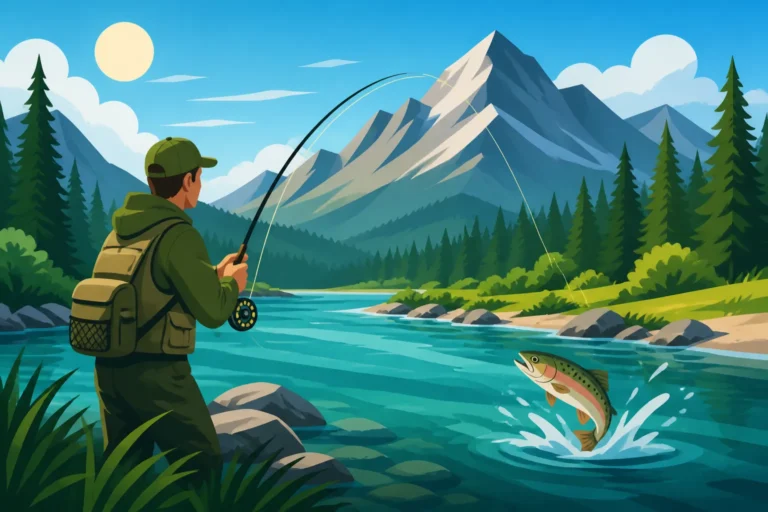
For many, fly fishing is the quintessential way to experience "The Crow." The river's healthy insect populations and clear water lend themselves perfectly to this pursuit.
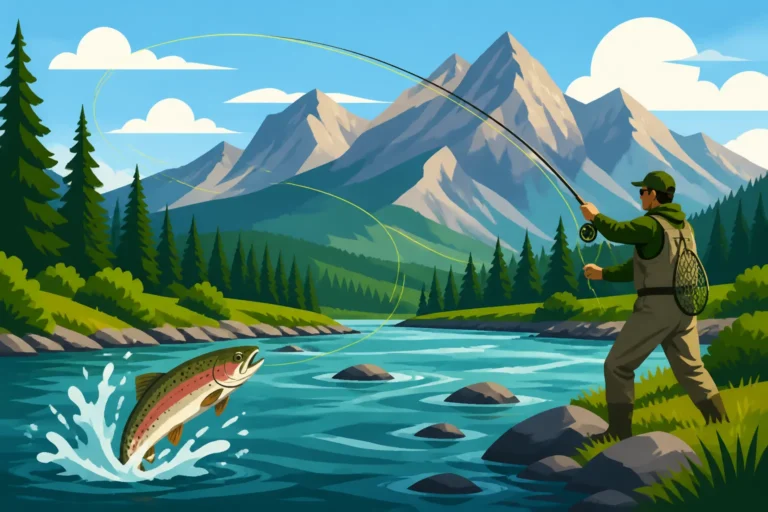
- Nymphing: This is arguably the most consistent method for catching trout on the Crowsnest throughout the year. Trout spend the majority of their time feeding subsurface on nymphs and larvae. A two-nymph rig, often with a heavier "point" fly and a lighter "dropper" fly, fished under an indicator, is incredibly effective. Focus on getting a drag-free drift through runs, current seams, and the heads of pools. Popular patterns include Prince Nymphs, Hare's Ear, Pheasant Tail, and various stonefly imitations. In deeper sections, a tight-line or Euro Nymphing approach can help you maintain contact and detect subtle strikes.
- Dry Fly Fishing: While often more sporadic, dry fly fishing on the Crowsnest can be absolutely exhilarating. Keep an eye out for hatches of mayflies, caddisflies, and stoneflies, especially in the late spring and summer months. Early morning and late evening often provide the best dry fly action. When you see fish rising, observe their feeding pattern to match the hatch effectively. Even when there isn't an obvious hatch, skating a caddis or drifting a large attractor dry fly can sometimes entice opportunistic trout.
- Streamer Fishing: For targeting larger brown trout and bull trout, streamer fishing can be incredibly effective, especially during higher flows or overcast days. Stripping a baitfish imitation through deep pools, under cut banks, or across current seams can provoke aggressive strikes. Colors like olive, black, and white are often reliable. Be prepared for powerful takes!
Remember, the Crowsnest often has specific regulations, including Alberta Barbless Hook Requirement Waters in many sections, so double-check the current Reading the Alberta Guide to Sportfishing Regulations before you go.
Spin Fishing Approaches
While fly fishing gets a lot of attention, spin anglers can also enjoy tremendous success on the Crowsnest below Lundbreck Falls. The key is to use light tackle and a subtle approach, mimicking natural prey.
- Small Spinners and Spoons: Ultralight spinning gear paired with small inline spinners (like Mepps or Rooster Tails) or small spoons (like Little Cleos or Five of Diamonds) can be deadly. Cast upstream or quarter-upstream and retrieve just fast enough to get the lure working, allowing it to tumble naturally through current seams and around structure. Experiment with retrieve speeds and pauses.
- Drifting Baits and Jigs: For a more natural presentation, drifting small jigs (like marabou jigs or Gulp! minnows) under a bobber can be very effective, especially in deeper runs and pools. You can also try drifting natural baits like worms or salmon eggs, where permitted, again aiming for a natural, drag-free presentation. Ensure your weight is just enough to get the bait down but not so much that it snags constantly.
- Crankbaits and Jerkbaits: Small, shallow-diving crankbaits or jerkbaits can be great for targeting larger brown trout or pike in broader, slower sections of the river. These lures mimic baitfish and can provoke aggressive strikes when retrieved with erratic pauses and twitches. Choose natural colors for clear water.
No matter your preferred method, always consider factors like water clarity, temperature, and insect activity. Spring Trout Fishing Techniques for Alberta Streams will differ from summer, so adapting is key.
Essential Gear and Responsible Angling
Getting out on the Crowsnest River below Lundbreck Falls isn't just about having the right rod and reel; it's about being prepared for the conditions and, most importantly, respecting the resource. This river is a precious ecosystem, and every angler plays a role in its preservation.
Recommended Equipment for "The Crow"
To make the most of your trip, having the right gear can make all the difference, especially when you're wading tricky currents or presenting small flies to wary trout.
- Waders and Boots: The Crowsnest River is best fished by wading, which allows you to access prime holding water and position yourself for optimal drifts. Breathable chest waders are essential for staying dry and comfortable, paired with sturdy wading boots that provide excellent grip on slick, rocky bottoms. Felt soles were once popular but rubber soles with studs or cleated boots are now preferred by many for safety and to prevent the spread of invasive species. For more details, check out Wading Techniques for Alberta Trout Rivers.
- Rods and Reels: For fly fishing, a 9-foot, 5-weight fly rod is a versatile choice for the Crowsnest, capable of handling dry flies, nymphs, and smaller streamers. Pair it with a reliable reel that has a smooth drag system. Spin anglers should opt for an ultralight to light action spinning rod (6-7 feet) with a matching spinning reel spooled with 4-6 lb test monofilament or fluorocarbon line.
- Tackle and Accessories: A good selection of flies, lures, and terminal tackle is crucial. Always carry a Best Landing Net for Trout that is rubber-meshed to protect fish during landing and release. Hemostats or forceps for hook removal, line clippers, and polarized sunglasses are also must-haves. A sling pack or vest will help you keep essentials organized and accessible.
- Safety Gear: Beyond a wading staff, consider carrying a small first-aid kit, bear spray (especially in more remote areas), and plenty of water. Even if you're not planning an overnight trip, tell someone your float plan or where you'll be fishing, just in case.
Navigating Regulations and Ethical Practices
Alberta’s fishing regulations are designed to protect and conserve its valuable fisheries. On a river as popular and ecologically important as the Crowsnest, understanding and adhering to these rules is non-negotiable.
- Fishing License and WIN Card: Before you even cast a line, ensure you have a valid Alberta Fishing License Guide for 2026 and a Wildlife Identification Number (WIN) card. These are mandatory for anyone aged 16 to 64.
- Zone-Specific Rules: The Crowsnest River falls under specific management zones, and regulations can change annually. Always consult the most current Alberta Guide to Sportfishing Regulations for specific bag limits, bait restrictions, and season dates for the particular section you're fishing. Pay close attention to rules regarding bull trout, which are often catch-and-release only with strict handling requirements.
- Catch and Release: Many anglers on the Crowsnest practice catch and release, especially for trout. If you choose to keep fish within the legal limits, ensure you know the Alberta Bag and Possession Limits by Species. Handle all fish gently, minimize their time out of water, and release them carefully. Wet hands before touching fish, avoid squeezing them, and if possible, keep them in the water during hook removal.
- Leave No Trace: Pack out everything you pack in, including any discarded fishing line or waste. Respect private property and minimize your impact on the riverbanks and surrounding environment. This helps ensure the river remains beautiful and healthy for generations to come.
By embracing these responsible angling practices, we all contribute to the continued health and vibrancy of one of Alberta's most cherished trout streams. You can make finding a local guide to ensure you're compliant with regulations part of your trip planning through a service like FishingBooker.
Seasonal Considerations for the Crowsnest River
The Crowsnest River changes dramatically with the seasons, and understanding these shifts is key to consistently finding and catching trout below Lundbreck Falls. Each season presents unique opportunities and challenges.
Spring Opportunities and Challenges
Spring on the Crowsnest can be a truly magical time, but it's also when the river is most volatile.
- Early Spring (April-May): As ice thaws and water temperatures begin to rise, trout become more active after their winter dormancy. This can be an excellent time for nymphing, as fish are focused on subsurface food sources. However, be mindful of runoff from snowmelt, which can significantly raise water levels and reduce clarity, making fishing challenging. Some stretches below the falls might become unfishable during peak runoff. Always check local river conditions before heading out.
- Late Spring (May-June): As runoff subsides and water clarity improves, late spring often heralds the first significant hatches of the year, particularly caddisflies and some larger stoneflies. This can mean exciting dry fly opportunities. The trout are strong and actively feeding. This period is often considered prime time by many experienced anglers for Alberta Fishing Seasons by Zone and Month.
Summer Fishing Strategies
Summer on the Crowsnest River below Lundbreck Falls is characterized by consistent flows (barring heavy rains), warmer temperatures, and abundant insect life.
- Peak Season (July-August): This is when the river is often at its most popular. Dry fly fishing can be fantastic, with prolific hatches of various mayflies, caddis, and terrestrial insects like grasshoppers and ants. Early mornings and late evenings are often the most productive, as mid-day sun can make fish more lethargic and spooky. Seek out shaded pools, undercut banks, and deeper runs where trout can find refuge from the sun and heat. Terrestrial patterns are a must-have in your fly box.
- Water Temperatures: Keep an eye on water temperatures during hot summer spells. When water temperatures consistently exceed 20°C (68°F), trout become highly stressed, and it's best to give them a break. Consider fishing higher-elevation, colder streams, or simply take a break until cooler temperatures return.
Fall and Winter Adventures
Fall is a favorite season for many anglers, offering crisp air, beautiful scenery, and aggressive trout. Winter provides a unique challenge for the hardy few.
- Fall Colors and Fat Trout (September-October): As temperatures cool and daylight hours shorten, trout begin to feed heavily in preparation for winter. Brown trout, in particular, become very aggressive as they prepare to spawn. Streamer fishing can be incredibly effective during this period, targeting large, territorial browns. Nymphing remains consistently productive, and you might still encounter sporadic hatches of smaller insects. The lack of heavy angling pressure and stunning autumn foliage make this a truly special time to be on the river.
- Winter Angling (November-March): While much of the Crowsnest might freeze over in the colder months, certain sections, especially those with consistent flow or spring input, can remain open. Winter fly fishing is a test of patience and skill, often focusing on tiny nymphs presented meticulously to lethargic trout in deep, slow pools. Access can be difficult due to snow and ice, but for dedicated anglers, the reward of a winter trout from the Crow is unforgettable. Ensure you dress warmly and prioritize safety when ice is present.
Disclaimer
The information provided in this guide is for general informational purposes only and is not intended as a substitute for official regulations. Fishing regulations in Alberta can change frequently. Always consult the most current Alberta Guide to Sportfishing Regulations available from the provincial government or authorized vendors before engaging in any fishing activities. Adherence to all local, provincial, and federal laws and regulations is the sole responsibility of the angler. Fishing carries inherent risks; please exercise caution and prioritize safety on the water.