Best Ice Fishing Access on Lesser Slave Lake
Oh, the vastness of Lesser Slave Lake can be both exhilarating and utterly overwhelming when you're planning an ice fishing trip. It’s one of Alberta's true treasures, a massive body of water brimming with fantastic fishing opportunities, but knowing where to start when the entire lake is a frozen expanse? That's the real challenge. Many anglers, especially those new to this colossal lake, often feel lost, drilling hole after hole without much luck simply because they haven't found the right access point or understood the unique dynamics of the lake. This guide is here to cut through that frustration, providing you with the definitive lowdown on the best and most reliable ice fishing access points on Lesser Slave Lake, ensuring your next trip is more about landing fish and less about aimless wandering.
Understanding Lesser Slave Lake's Ice Fishing Appeal
Lesser Slave Lake isn't just a big lake; it's an ecosystem, a legendary ice fishing destination that draws anglers from all over. Its sheer size, stretching approximately 100 kilometers long and 15 kilometers wide, is both its greatest asset and its biggest puzzle. Beneath that vast sheet of ice lies a diverse fishery, primarily famous for its walleye, but also holding impressive northern pike and the often-elusive burbot. Navigating this frozen behemoth requires a bit of local insight and a strategic approach, especially when considering safety and effective fishing.
The Sheer Size and its Implications
Imagine a frozen ocean – that's often what Lesser Slave Lake feels like in winter. Its immense surface area means that ice conditions can vary significantly from one end of the lake to the other. What might be safe and solid near the town of Slave Lake could be unpredictable and dangerous further west. This vastness also translates to longer travel times, whether by truck on plowed ice roads or by snowmobile into more remote areas. It’s not a lake where you can just randomly pick a spot and expect success; understanding the geography and popular access points is crucial. The shallow eastern basin near the town of Slave Lake transitions into deeper, more complex structures in the western half, influencing where fish concentrate and, consequently, where ice anglers should focus their efforts. This immense scale also means fewer people can cover the entire lake, which adds to the feeling of needing local knowledge to succeed.
Prime Species for Ice Anglers
While the lake offers a variety of species, three stand out for ice fishing: walleye, northern pike, and burbot. Each has its own appeal and preferred habitats under the ice.
- Walleye: The undisputed king of Lesser Slave Lake, walleye draw the most attention. They are often found cruising along the flats, near drop-offs, or around submerged humps and points. Effective techniques for walleye often involve jigging spoons tipped with minnow heads or small swimbaits. The pursuit of a trophy walleye here is a dream for many, and understanding their movements throughout the ice season is key. If you're keen to learn more about targeting these elusive beauties, check out our guide on how to Catch Walleye in Alberta.
- Northern Pike: For those who love a fierce fight, the northern pike are abundant and can grow to impressive sizes. Pike often lurk in shallower bays, especially where there's residual weed growth or structure. Tip-ups with large dead bait (like frozen herring or smelt) are highly effective for pike, especially set up along transitions from shallow to deeper water. They're opportunistic predators and will readily hit a variety of lures.
- Burbot: Often called "freshwater cod," burbot are a unique and delicious target during the ice fishing season. They are primarily nocturnal and prefer deeper, softer bottoms. Anglers targeting burbot often fish into the evening and through the night, using glow-in-the-dark jigs tipped with bait, fished near the bottom. Their aggressive bites and excellent table fare make them a sought-after species once you learn their habits. For dedicated burbot anglers, our article on How to Catch Burbot Through the Ice offers deeper insights.
Eastern Basin Access Points: Convenience and Walleye Hotspots
The eastern end of Lesser Slave Lake, particularly around the town of Slave Lake, is generally the most accessible and often the first to freeze safely. It’s characterized by shallower, sprawling flats, which are prime feeding grounds for walleye and pike, especially in the early and late ice seasons. This area benefits from well-maintained access roads, proximity to amenities, and a strong local angling community, making it a popular choice for both seasoned ice anglers and families looking for a more comfortable experience.
Widewater and Faust: Popular and Productive
Widewater and Faust are two of the most popular and reliable access points on the eastern side, and for good reason. They offer straightforward access to productive fishing grounds and generally have good infrastructure to support anglers.
- Widewater: Just west of the town of Slave Lake, Widewater is a classic. You'll often find a plowed ice road extending from the shore, making it relatively easy to get your vehicle or ice shack onto the lake. The area is known for its extensive flats, which hold incredible numbers of walleye throughout the winter. Anglers here often target depths of 10-25 feet, focusing on subtle contours or small depressions. It's common to see a small village of ice huts pop up here as the season progresses. The convenience makes it ideal for day-trippers or those looking for consistent action. Parking is usually ample, and it’s close enough to the town of Slave Lake for last-minute supplies or a warm meal. Many guides also operate out of this area, and you might even find one through a service like FishingBooker if you're looking for an expert to show you the ropes.
- Faust: A little further west from Widewater, Faust offers similar benefits with a slightly different flavor. The fishing here can be just as good, with excellent walleye and pike opportunities. Access is typically via a maintained boat launch area that transitions into an ice road or easy access point. Faust is a bit more spread out than Widewater, sometimes offering a little more elbow room, though it still gets busy. The nearby community provides a few basic services, making it a good base camp. The depths around Faust tend to be similar to Widewater, favoring jigging presentations for walleye. It's an excellent option for anglers who appreciate having a few amenities close by but still want to feel like they're getting out on the "big lake." When the bite is on, both Widewater and Faust can offer unforgettable days on the ice.
Slave Lake Townsite: Easy In, Great Options
The town of Slave Lake itself provides some of the easiest access to the lake, making it a fantastic starting point, especially for those new to ice fishing or visiting with family.
- Lakeshore Access: The main boat launches and public areas right within the town of Slave Lake often provide direct and well-maintained access points to the frozen lake. While these spots might see higher foot traffic, they offer the ultimate convenience. You can literally be fishing minutes after grabbing breakfast in town or picking up bait from a local shop. The waters directly out from the town are part of the vast eastern basin flats, holding good numbers of walleye and pike. This is a great area for setting up a portable ice hut for a few hours or trying your luck with tip-ups for cruising pike. It’s also incredibly safe due to its proximity to town and regular monitoring.
- Diverse Fishing Opportunities: Don't let the urban proximity fool you; the fishing can be superb. The extensive shallow areas allow for various ice fishing techniques, from jigging aggressively for walleye to setting static bait for larger pike. It's also an excellent spot for families, as the ease of access means less time traveling and more time fishing. If you're planning a trip and want to maximize your time on the ice, considering guides or charter services available through platforms like FishingBooker operating right out of Slave Lake can be a smart move, especially for those who want to pinpoint the "Where locals fish for walleye on Lesser Slave Lake" quickly. The town is also a perfect hub for checking into our broader guide on the Best Ice Fishing Lakes in Alberta for other regional options.
Western Basin Access: Seclusion and Trophy Potential
Moving westward along Lesser Slave Lake reveals a different kind of ice fishing experience. The western basin generally features deeper waters, more complex bottom structure, and a feeling of greater remoteness. This area is often favored by anglers seeking larger, less pressured fish, including potential trophy walleye and burbot, and offers a more solitary experience for those willing to venture further. Ice conditions here can be more variable and require extra caution due to the greater depths and exposure to winds.
Joussard and Kinuso: Deep Water Secrets
Joussard and Kinuso are key access points on the southwestern shore, gateways to some of the lake's deeper, more mysterious waters.
- Joussard: This charming hamlet is a popular launchpad for exploring the western basin. Access here is typically via public boat launches that are cleared for ice fishing. The waters off Joussard quickly deepen, making it a prime area for targeting not only walleye that relate to deeper breaks but also burbot, which thrive in these conditions. Anglers venturing here often use heavier jigs or larger spoons to reach the fish, sometimes focusing on depths of 30-60 feet or even more. The fishing can be incredibly rewarding, often yielding larger average size fish than the eastern basin, though sometimes requiring more patience. It’s also a fantastic area for those who like to set up for a night of burbot fishing, as the deeper, quieter waters provide excellent habitat. You might encounter fewer anglers here compared to Widewater, especially away from the immediate access points, offering a sense of wilderness. There are limited local services, so it's wise to come prepared with everything you need.
- Kinuso: Further east from Joussard, Kinuso offers another excellent entry point into the western basin's productive waters. Similar to Joussard, the area around Kinuso provides access to deeper sections of the lake. Anglers often explore the points and transitions that extend offshore, looking for concentrations of walleye or prime burbot lies. The beauty of Kinuso is its balance: it’s remote enough to feel like a true wilderness experience, but still has some basic amenities available. The ice roads here might not be as consistently maintained as those further east, so a reliable vehicle and being prepared for varied snow conditions are essential. When you’re fishing these deeper zones, a good fish finder is invaluable for identifying structure and marking fish. Consider taking a deep dive into Best Fish Finders for Alberta Lakes if you're serious about navigating these underwater landscapes effectively.
Remote Back Bays and Hidden Gems
Beyond the main access points, Lesser Slave Lake is dotted with numerous smaller, more secluded bays and inlets that can be phenomenal for ice fishing, especially for northern pike and even some resident walleye populations.
- Secluded Bays: On both the north and south shores, there are countless small bays that offer more sheltered conditions and can hold significant numbers of fish, particularly pike. These areas often require snowmobile access or a longer trek on foot, but the reward can be worth the effort. Think about locations like Hilliard’s Bay Provincial Park or other unnamed points along the shoreline where you can find natural shelter from the wind. These bays often have shallower sections with remnants of aquatic vegetation, perfect ambush points for pike. Using tip-ups set along weed lines or near abrupt depth changes can be incredibly effective here.
- Finding Your Own Spot: For the truly adventurous, finding your own "hidden gem" on Lesser Slave Lake is part of the allure. This might involve consulting detailed bathymetric maps, studying satellite imagery for potential points or structure, and then putting in the effort to explore. These remote spots often require self-sufficiency, including being prepared for varying ice conditions, carrying all necessary safety gear, and having a reliable means of communication. While challenging, discovering an untouched stretch of ice where the fish are biting aggressively is an unparalleled experience. Just remember, these spots aren't "hidden" for no reason; they often come with increased logistical and safety challenges. Always prioritize safety over the desire for a secret spot.
Navigating the Ice: Safety and Equipment Considerations
Ice fishing on a lake the size of Lesser Slave Lake isn't something to take lightly. Safety is paramount, and being prepared with the right knowledge and equipment can make the difference between a memorable trip and a dangerous one. Understanding ice conditions and having the proper gear are non-negotiable aspects of a successful outing.
Ice Thickness and Conditions Monitoring
This is perhaps the single most critical factor for any ice angler, especially on a large, dynamic body of water like Lesser Slave Lake.
- Minimum Ice Thickness: The general rule of thumb for safe ice fishing is:
- 4 inches (10 cm) for ice fishing on foot.
- 5-7 inches (12-18 cm) for snowmobiles or ATVs.
- 8-12 inches (20-30 cm) for small cars or light trucks.
- 12-15 inches (30-38 cm) for medium trucks.
These are minimums, and more is always better. Remember, ice is rarely uniform.
- Variable Conditions: Lesser Slave Lake's size means that ice thickness can vary dramatically. Early in the season, bays and shallower areas might freeze solid first, while the main lake, particularly deeper sections and areas with current, will take much longer. Mid-season, strong winds can push ice around, creating cracks, pressure ridges, and areas of thinner ice. Always be vigilant. Dark, slushy, or honeycombed ice is a huge red flag. Always check the ice as you go, especially when venturing into new areas.
- Local Reports and Resources: Never rely solely on hearsay. Always check local ice reports from bait shops, resorts, and online forums. The "MyWildAlberta" portal or similar provincial resources often provide critical updates. Talking to locals is invaluable; they'll have the most up-to-date information on specific access points and current conditions. Before you even head out, review our detailed guide on How thick ice needs to be to fish safely in Alberta for comprehensive information. No fish is worth risking your life.
Essential Gear for Lesser Slave Lake Ice Fishing
Beyond your rods and reels, certain gear is absolutely non-negotiable for a safe and comfortable ice fishing trip on a big lake like Lesser Slave.
- Ice Auger: A powerful ice auger is essential. Given the potentially thick ice, a gas-powered or a high-quality battery-powered auger like those discussed in Best Ice Auger for Alberta Lakes will save you immense time and effort. Hand augers might suffice for early ice or smaller lakes, but on Lesser Slave, you’ll be drilling through significant depths.
- Shelter: Whether it's a portable pop-up tent or a more permanent ice hut, a shelter is a must for protection against the elements. Alberta winters can be brutal, with strong winds and frigid temperatures. A heated shelter makes the experience exponentially more enjoyable and safer. If you're looking for recommendations, our guide on the Best Ice Hut for Alberta Lakes provides excellent choices.
- Safety Gear:
- Ice Picks: Always wear a set of ice picks around your neck. If you break through, they are your best chance to pull yourself out.
- Throw Rope: A buoyant throw rope, at least 50 feet long, is vital for rescuing others (or being rescued).
- Flotation Suit/PFD: A dedicated ice fishing flotation suit provides warmth and buoyancy, dramatically increasing your survival chances if you go through the ice. At the very least, wear a personal flotation device (PFD).
- First Aid Kit: A well-stocked first aid kit for minor injuries.
- Navigation: A GPS device (even on your phone) is crucial on such a large lake, especially in whiteout conditions. Knowing your exact location and how to get back to shore is vital.
- Warm Clothing: Layering is key. Thermal underwear, fleece, an insulated parka, warm waterproof boots, and good quality gloves or mitts are essential. Don't forget a warm hat that covers your ears.
- Transportation: For venturing beyond shoreline access, a reliable snowmobile or ATV (or a vehicle with 4×4 if using a plowed ice road) is necessary. Ensure it's in good working order and carry extra fuel.
Strategic Planning for Your Lesser Slave Lake Trip
Successful ice fishing on Lesser Slave Lake often comes down to preparation and strategy. It’s not just about getting to the lake; it’s about knowing where to go on the lake, what to look for, and how to maximize your chances of success. From understanding underwater topography to securing accommodations, a well-thought-out plan will make all the difference.
Finding the Fish: Structure and Electronics
Lesser Slave Lake is massive, and simply drilling holes at random isn't an effective strategy. You need to understand where the fish are likely to be.
- Reading the Lake Bottom: Walleye, pike, and burbot aren't just swimming anywhere; they relate to structure. This means looking for:
- Drop-offs: Transitions from shallow to deep water are often highways for walleye.
- Humps and Submerged Islands: These underwater features attract baitfish, which in turn attract predators.
- Points and Bays: Shoreline features that extend into the lake or provide sheltered areas are key.
- Weed Beds (if present): Even under the ice, remnants of weed beds in shallower bays can hold pike and even panfish.
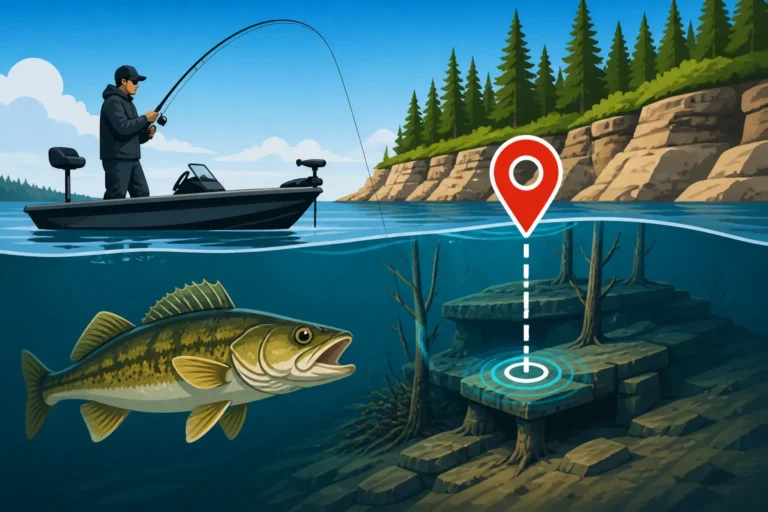
- The Power of Electronics: A good fish finder (flasher or LCD unit) is an absolute game-changer on Lesser Slave Lake. It allows you to:
- Identify Depth and Bottom Composition: See how deep you are and if the bottom is soft (mud, silt – good for burbot) or hard (rock, gravel – good for walleye).
- Locate Fish: Mark fish directly under your hole, see their reaction to your bait, and adjust your presentation.
- Find Structure: Many modern units have GPS and mapping capabilities, allowing you to upload lake contour maps and navigate to specific spots, like those "Best deep water structure spots on Cold Lake" (or in this case, Lesser Slave Lake) that local anglers swear by. This is where pre-trip research using bathymetric charts can pay off hugely.
- Drilling Strategy: Don't be afraid to drill multiple holes and move frequently until you find active fish. The most successful ice anglers on Lesser Slave Lake are often the most mobile. If you don't get a bite within 15-20 minutes in a spot, consider moving a short distance to try another contour or depth.
Accommodations and Local Services
Planning your trip involves more than just fishing; it's also about logistics, comfort, and supporting the local communities.
- Where to Stay: The town of Slave Lake offers the widest range of accommodations, from hotels and motels to cabins and RV parks (some with winter services). It’s a convenient hub with most services you might need. Further west, in smaller communities like Joussard or Kinuso, you might find more rustic cabin rentals, small resorts, or private accommodations. Booking in advance, especially during peak ice fishing season (January-March), is highly recommended.
- Bait and Tackle Shops: Before you head out, make sure you have all your bait and tackle. The town of Slave Lake has dedicated fishing shops that can provide live bait (if legal and available), artificial lures, and valuable local advice on what's biting. Even if you've done your research, dropping into a local shop is often the best way to get the most current and accurate fishing reports and conditions.
- Guide Services: If you're new to Lesser Slave Lake or want to maximize your chances of success, hiring a local ice fishing guide is an excellent investment. A good guide knows the lake intimately, understands the seasonal patterns, has all the necessary safety gear, and can put you on fish quickly. Many guides operate heated huts and provide all the gear, offering a comfortable and highly effective way to experience Lesser Slave Lake's ice fishing. This is where resources like FishingBooker come in handy, allowing you to browse and book reputable local guides who specialize in ice fishing on this incredible lake. They can share invaluable tips on Lesser Slave Lake Walleye Fishing or even help you find those "Best burbot spots on Lesser Slave Lake" during the night.
| Access Point | Primary Target Species | Ease of Access | Amenities Nearby (0-5) | Typical Depths (feet) | Notes |
|---|---|---|---|---|---|
| Widewater | Walleye, Northern Pike | Excellent | 4 | 10-25 | Popular, plowed ice roads, consistent walleye action, often busy. |
| Faust | Walleye, Northern Pike | Excellent | 3 | 10-25 | Good infrastructure, similar fishing to Widewater, slightly more spread out. |
| Slave Lake Town | Walleye, Northern Pike | Excellent | 5 | 8-20 | Ultimate convenience, great for families, direct town access, diverse opportunities. |
| Joussard | Walleye, Burbot, Northern Pike | Good (West End) | 2 | 20-60+ | Deeper water access, potential for larger fish, more solitude, fewer amenities. |
| Kinuso | Walleye, Burbot, Northern Pike | Good (West End) | 2 | 20-50+ | Balance of depth and some services, good for exploring structure, can be remote feeling. |
| Remote Bays | Northern Pike, Walleye | Challenging | 0-1 | 5-20 | Requires snowmobile, offers solitude, good for aggressive pike, variable ice conditions. |
Disclaimer
The information provided in this guide is for general informational purposes only and is subject to change. Always consult the most current Alberta Guide to Sportfishing Regulations before heading out on the water. Ice conditions can be extremely dangerous and can change rapidly; always exercise extreme caution, check local reports, and never fish alone. Safety should be your top priority.