Alberta lake trout daily limit on Cold Lake
Oh, the joys and occasional head-scratchers of Alberta fishing regulations! It’s all too common to feel a little overwhelmed when you're planning a trip, especially to a fantastic fishery like Cold Lake, where everyone wants to target those magnificent lake trout. There's nothing worse than heading out with your gear, full of excitement, only to realize you’re not entirely sure about the specific rules for the species you're chasing. Don't worry, you're in good company! This comprehensive guide is going to clear up all the confusion surrounding the daily and possession limits for lake trout on Cold Lake, ensuring your angling adventure is both successful and completely within the rules.
Decoding the Lake Trout Daily Limit on Cold Lake
Cold Lake is a true gem, renowned for its incredible lake trout fishing. But with great fishing comes great responsibility, and that includes understanding the specific regulations designed to protect this incredible resource. The rules aren't just arbitrary; they're carefully crafted to ensure these majestic fish continue to thrive for generations of anglers to enjoy.
The Specific Numerical Limit You Need to Know
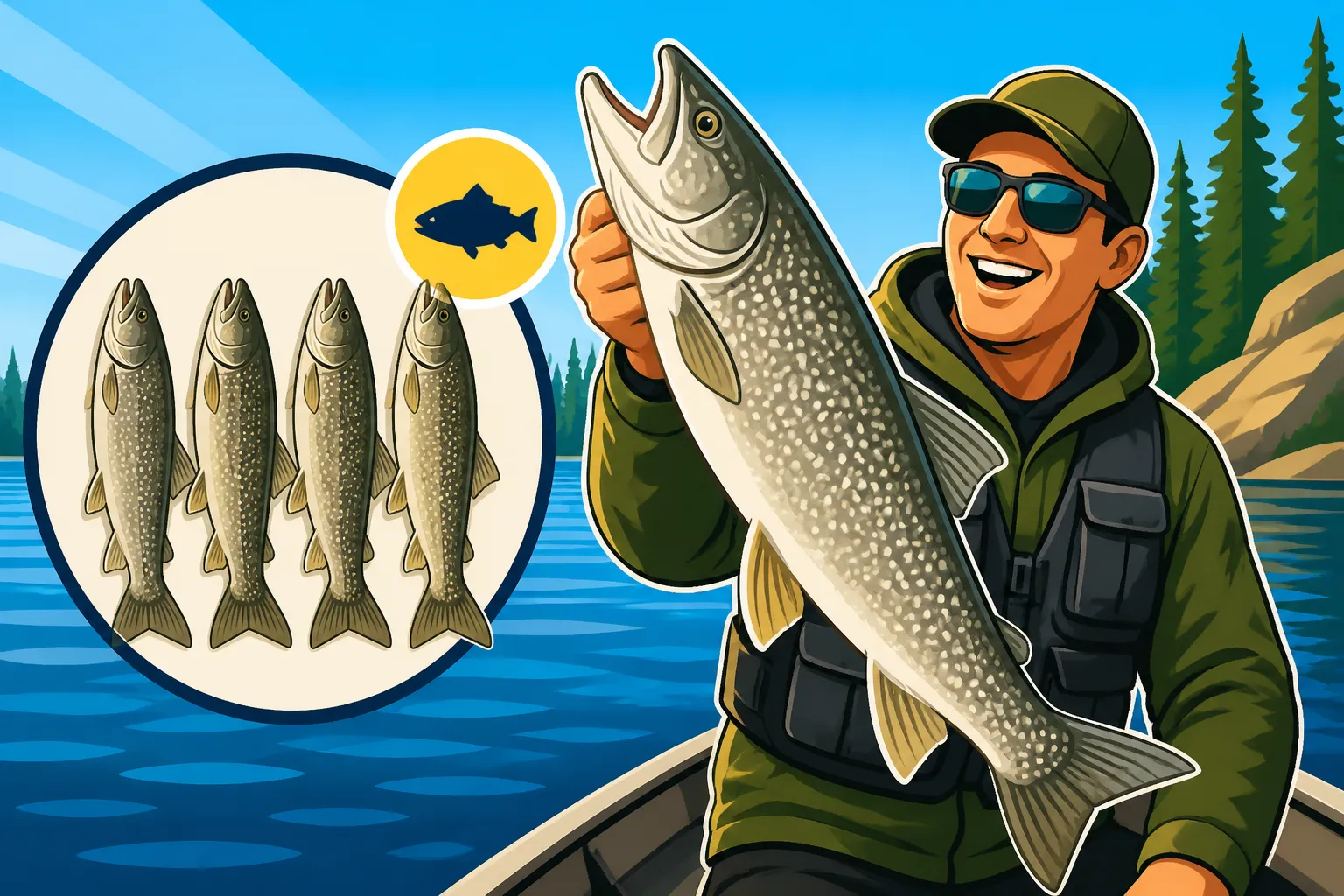
Let’s get right to the heart of it: for lake trout on Cold Lake, the current daily limit is typically one (1). This means that in any given 24-hour period, you are only permitted to kill or retain a maximum of one lake trout from Cold Lake. This isn't just about what you take home at the end of the day; it's about what you choose to keep from the moment you start fishing.
Imagine this scenario: you're out on Cold Lake early in the morning, lines in the water, and BAM! You hook into a beautiful lake trout. You decide it's a keeper, dispatch it quickly and humanely, and place it in your cooler. Fantastic! That's your one for the day. Now, let's say a few hours later, you hook into another one. Even if it's bigger, or just as nice, you must release it. You’ve already retained your daily limit of one. You cannot swap it out, nor can you retain a second fish until the next 24-hour period begins (which, for fishing purposes, usually means after midnight). It's a hard and fast rule, and it's there to prevent overharvesting of a species that can take a long time to grow to trophy size. Always, and I mean always, double-check the latest Alberta Guide to Sportfishing Regulations for any changes, as things can occasionally shift based on ongoing conservation efforts and scientific assessments.
Distinguishing Between Daily and Possession Limits
This is a point of confusion for many anglers, and it's totally understandable. The terms "daily limit" and "possession limit" sound similar, but they have distinct meanings, especially when you're on a multi-day trip or have fish stored at home.
- Daily Limit: As we just covered, this is the maximum number of fish of a particular species that you are allowed to kill or retain in a single 24-hour period. It resets each day. If you catch-and-release, those fish don't count towards your daily limit, as long as they are released in a manner that minimizes harm.
- Possession Limit: This refers to the total number of fish of a particular species that you are legally allowed to have in your possession at any given time. This includes fish in your livewell, cooler, freezer at home, or even processed fish fillets in your camp fridge. For lake trout on Cold Lake, the possession limit is also typically one (1).
So, let’s revisit our Cold Lake trip. If you keep one lake trout on Monday, you’ve hit your daily limit and your possession limit. If you decide to go out again on Tuesday, you can catch and keep another lake trout, bringing your total possession at your camp or in your freezer to two. However, you can only keep one per day. The possession limit is designed to prevent someone from, say, fishing for five days, keeping one lake trout each day, and then having five lake trout stored at their cabin, when the possession limit is set lower (like one). The rule for Cold Lake’s lake trout, where both daily and possession limits are often set at one, simplifies things somewhat but still requires careful attention. You cannot have more than one lake trout at any given time in your immediate possession (on the boat, in your vehicle) or stored away. It truly is a prized catch, and the regulations reflect that.
Why Cold Lake's Lake Trout Management is So Important
Cold Lake isn't just any body of water in Alberta; it's a truly special place with a unique ecosystem that supports a thriving, yet sensitive, lake trout population. Understanding why these specific regulations are in place helps us appreciate the efforts to protect such an incredible fishery.
Cold Lake as a Premier Lake Trout Fishery
Cold Lake is one of Alberta's deepest and largest natural lakes, boasting pristine, cold, oxygen-rich waters that are absolutely ideal for lake trout. This isn't a small stocked pond; this is a natural, self-sustaining population of big, healthy lake trout. Anglers from all over Canada, and even further afield, dream of dropping a line into its depths. The average size of lake trout caught here is impressive, and trophy-sized fish are a real possibility, making it one of the most sought-after destinations in the province. If you're looking for an incredible experience, check out our guide on the Best Fishing Lakes in Alberta, and you'll find Cold Lake right near the top of the list for good reason. Its immense size and depth also provide ample structure and forage for these apex predators, leading to robust fish that are a challenge and a joy to catch.
Conservation Efforts and Regulation Rationale
The strict one-fish daily and possession limit for lake trout on Cold Lake is a direct result of extensive conservation efforts. Lake trout are a magnificent species, but they are also particularly vulnerable to overfishing for several biological reasons:
- Slow Growth Rates: Lake trout grow very slowly, especially in colder, nutrient-poor waters. It takes many years for them to reach a substantial size.
- Late Maturity: Unlike some faster-growing species, lake trout often don't reach sexual maturity until they are several years old. This means they need to survive for a significant period before they can even contribute to the next generation. Learn more about their life cycle in our article about Lake Trout Spawning Season in Alberta.
- Vulnerability: Their deep-water habits and tendency to congregate in certain areas can make them susceptible to focused angling pressure.
The regulations are a carefully considered strategy by Alberta Environment and Protected Areas to ensure the long-term health and sustainability of this world-class fishery. It’s about balancing angler opportunity with the biological needs of the fish. By limiting the harvest to one fish per day and one in possession, it spreads the angling pressure, gives more fish a chance to spawn, and helps maintain a healthy population structure. It's truly an investment in the future of fishing on Cold Lake. For a broader understanding of how these rules come together, our Alberta Fishing Regulations Explained article covers the general philosophy behind these protective measures.
Essential Compliance: Beyond Just the Limit
While knowing the lake trout limit on Cold Lake is critical, it's just one piece of the puzzle. Being a responsible angler in Alberta means understanding the broader regulatory framework. Skipping these steps can lead to penalties that are far more frustrating than losing a fish.
The Mandatory Alberta Fishing License and WIN Card
Before you even think about casting a line into Cold Lake, or any other waterbody in Alberta, you absolutely need two things: a valid Alberta fishing license and a Wildlife Identification Number (WIN) card. These aren't optional extras; they are fundamental requirements for anyone aged 16 to 64 (with some exemptions for youth and seniors).
Your WIN card is like your personal ID for Alberta's fish and wildlife system. It’s a one-time purchase, valid for five years, and it's what your fishing license is tied to. You’ll need a WIN card before you can purchase your annual or short-term fishing license. Both can be easily purchased online through the MyWildAlberta portal, or you can pick them up at various licensed vendors across the province. Always make sure your license is current for the season you're fishing. For a detailed breakdown, check out our guides on the Alberta Fishing License Guide for 2026 and the Alberta WIN Card, Explained. We also have a handy guide on Where and How to Buy an Alberta Fishing License that walks you through the process. Don't risk getting out there without them; it's just not worth the hassle or potential fines.
Navigating the Alberta Guide to Sportfishing Regulations
Think of the Alberta Guide to Sportfishing Regulations as your angling bible. Every year, Alberta Environment and Protected Areas publishes this guide, and it contains all the up-to-date rules for every zone and specific waterbody in the province. This includes season dates, bait restrictions, gear rules, and, of course, the bag and possession limits for various species.
To find the specific regulations for Cold Lake, you'll need to locate the correct fishing management zone. Cold Lake typically falls within Zone ES1 (Eastern Slopes 1), but you'll then need to scroll through the specific waterbody listings until you find "Cold Lake." It’s crucial to read all the information pertaining to Cold Lake, as there might be specific seasonal nuances or other rules beyond just the lake trout limit. The guide is available online as a PDF, and there's often a handy app that allows for quick zone lookup and offline access, which is super convenient when you're out on the water. Make sure you've got the current year's version, as regulations can change from year to year. Our article on Reading the Alberta Guide to Sportfishing Regulations offers tips on how to effectively use this essential resource, and for zone-specific details, consult Alberta Zone-Specific Season Dates, Explained.
Responsible Angling Practices on Cold Lake
Fishing isn't just about catching fish; it's also about how we interact with the environment and the fish themselves. On Cold Lake, especially when targeting a sensitive species like lake trout with a restrictive limit, responsible angling practices are paramount.
Practicing Proper Catch and Release
Given the one-fish limit for lake trout on Cold Lake, it's inevitable that most anglers will be practicing catch and release for the majority of the fish they hook. This is where ethical angling truly shines. The goal is to maximize the survival rate of released fish so they can continue to grow and reproduce. Here are some key practices:
- Minimize Air Exposure: Keep the fish in the water as much as possible. Even a minute out of water can cause significant stress and damage to their gills and internal organs.
- Wet Hands: Always wet your hands before handling a fish. Dry hands can remove the fish's protective slime layer, leaving it vulnerable to infection.
- Use Barbless Hooks (or Crimp Barbs): While not always mandated for lake trout, using barbless hooks makes removal much easier and quicker, reducing handling time. You can easily crimp down the barb on most hooks with a pair of pliers.
- De-hooking Tools: Carry long-nose pliers or a specialized de-hooking tool. These allow for quick and safe removal of hooks, especially when a fish is deep-hooked.
- Knotless, Rubberized Nets: These types of nets are much gentler on a fish's fins and slime coat compared to traditional knotted nylon nets.
- Support the Fish: If you must lift a fish for a photo, support its body horizontally with both hands. Never hold a large fish vertically by its jaw or gills, as this can cause severe internal damage.
- Revive the Fish: After releasing, hold the fish gently in the water, facing into the current (if any), until it regains its strength and swims away on its own.
By following these simple steps, you significantly increase the chances of that released lake trout surviving to be caught another day, or to grow even larger! For more in-depth advice on ethical angling, our article How to Catch Bull Trout and Release Them Safely provides excellent tips that apply to all trout species.
Gear Considerations for Lake Trout Fishing
Having the right gear isn't just about catching more fish; it's also about reducing stress on the fish you intend to release. When you’re fishing for big, powerful lake trout, using appropriate tackle helps you land the fish quickly and efficiently, minimizing the fight time and subsequent exhaustion.
You’ll want a rod and reel combo that’s stout enough to handle large lake trout, preventing an overly long fight that can exhaust the fish. Medium-heavy to heavy action rods with robust reels spooled with strong braided line are common choices for trolling or jigging for these deep-water dwellers. Having a reliable fish finder to locate structure and schools of baitfish will also drastically improve your chances. You can find excellent specialized pliers and de-hookers on Amazon, which are invaluable for quickly and safely releasing fish. Many anglers also rely on durable, waterproof measuring tapes and scales, which you can also easily source from platforms like Amazon, to ensure accurate reporting if you do keep a fish, and for documenting your personal bests. Remember, even if you’re fishing for pike or walleye in other Alberta waters, having the right gear is key, so checking out resources like Best Fishing Rods for Alberta Rivers will give you a good starting point for selecting quality equipment.
Enforcement and Consequences
It’s crucial to understand that fishing regulations in Alberta aren't just polite suggestions. They are laws designed to protect our natural resources, and there are serious consequences for not adhering to them.
The Role of Fish and Wildlife Officers
On Cold Lake, and throughout Alberta, our Fish and Wildlife officers play a vital role. These dedicated professionals are not just there to hand out tickets; their primary mission is to manage and protect Alberta's fish and wildlife populations. They patrol waterways, conduct inspections, educate the public on regulations, and investigate violations. They are often out on the lake, just like you, observing and ensuring everyone is following the rules.
If an officer approaches you, be courteous, cooperative, and have your valid fishing license and WIN card readily available. They have the authority to inspect your catch, your gear, and ask questions about your angling activities. Think of them as custodians of the resource, ensuring that everyone gets a fair shot at enjoying Alberta’s incredible fishing opportunities, now and in the future.
Understanding Penalties for Exceeding Limits
The penalties for exceeding daily or possession limits for fish in Alberta can be significant. Ignorance of the law is not considered a valid excuse. Depending on the severity of the violation, consequences can include:
- Substantial Fines: These can range from hundreds to thousands of dollars per offense, depending on the species and number of fish over the limit.
- Confiscation of Equipment: Your fishing gear, boat, and even your vehicle could be seized by authorities.
- License Suspension: You could lose your fishing privileges for a specified period, or even permanently.
- Criminal Charges: In serious cases, especially involving commercial poaching or multiple offenses, criminal charges could be laid.
These aren't scare tactics; they are real consequences designed to deter illegal activity and protect our shared resources. Imagine losing your prized boat or facing a hefty fine because you weren't clear on the Alberta Bag and Possession Limits by Species. It's a harsh lesson, and one that's easily avoided by simply knowing and respecting the rules. Our article on Fishing Without a License in Alberta: Penalties provides a good overview of the serious nature of these offenses. Always err on the side of caution, and if you're ever in doubt about a regulation, consult the official guide or even contact Alberta Fish and Wildlife directly.
Lake Trout Limits and Related Regulations on Cold Lake
| Rule Type | Species | Cold Lake Limit (ES1) | Notes |
|---|---|---|---|
| Daily Limit | Lake Trout | 1 | Maximum kept or retained in a 24-hour period. |
| Possession Limit | Lake Trout | 1 | Total fish in your possession at any given time (including home/camp). |
| Bait | General | Check Regulations | Specific bait restrictions can apply by zone/lake. |
| License | All Anglers | Required | Valid Alberta Fishing License + WIN Card (age 16-64). |
| Season Dates | Lake Trout | Check Regulations | Season can vary; always consult current guide for ES1/Cold Lake. |
Disclaimer
The information provided in this guide is intended for general informational purposes only and is subject to change. While we strive to offer accurate and up-to-date content, fishing regulations in Alberta can be modified annually or even mid-season. It is always the angler's responsibility to consult the most current Alberta Guide to Sportfishing Regulations published by Alberta Environment and Protected Areas before heading out on the water. This guide is available online via the MyWildAlberta website and from licensed vendors. Adherence to all provincial and federal laws is mandatory.