Alberta Aster Lake year-round season rule
Tired of poring over the Alberta Guide to Sportfishing Regulations, trying to decipher complex season dates for every single lake or river? It can feel like you need a calendar degree just to wet a line! Most waters in Alberta adhere to strict opening and closing dates, often tied to spawning seasons or conservation efforts. But what if I told you there’s a truly unique spot where the fishing season literally never closes? This guide is all about Alberta's Aster Lake and its special year-round fishing rule, and what that actually means for your angling adventures.
Understanding Year-Round Fishing in Alberta
When you're an angler in Alberta, one of the first things you learn, often the hard way, is that season dates are critical. Misinterpret a date, and you could be facing a hefty fine. This makes the concept of a "year-round" fishery almost mythical for some.
The General Rule for Most Alberta Waters
For the vast majority of lakes, rivers, and streams across Alberta, fishing seasons are not open continuously. They are carefully managed to protect fish populations, especially during vulnerable times like spawning. For instance, many trout streams in the mountains might open in June and close in October, while prairie lakes might have specific walleye seasons that vary from year to year. Even within a single water body, different species might have different open seasons. Getting to grips with all these nuances often means diligently consulting the annual Alberta Guide to Sportfishing Regulations, which is your bible for compliance. Ignoring these dates isn't just a risk of penalty; it undermines the conservation efforts that keep our fisheries healthy for future generations.
This is where the frustration often builds for anglers. You might have a free weekend, but then realize your favourite lake is closed for pike, or the local creek is still under trout closure. This complex patchwork of regulations is designed to be effective, but it certainly keeps us on our toes.
Why Aster Lake is Different
Aster Lake, nestled in the stunning Peter Lougheed Provincial Park in Kananaskis Country, stands out as a rare exception to Alberta's typical seasonal rules. The official Alberta fishing regulations clearly state that Aster Lake is open for fishing year-round. This isn't a loophole or a temporary measure; it's a specific designation for this particular body of water.
This unique status is largely due to the lake's specific ecological characteristics and management strategy. Aster Lake is a high-elevation, cold-water lake. It is regularly stocked with rainbow trout, and while it might also contain other species like cutthroat trout, the primary angling focus is often on these stocked fish. The year-round rule allows for continuous recreational opportunity, especially given the challenging access during certain times of the year, which naturally limits fishing pressure without needing traditional season closures.
What Does "Year-Round" Really Mean for Aster Lake?
While "year-round" sounds incredibly appealing, it's crucial to understand the practical implications, especially for a lake located in a mountainous region. It's not simply a matter of showing up any day you please.
Access and Conditions Throughout the Seasons
The notion of fishing year-round at Aster Lake is fantastic on paper, but reality dictates that access and conditions will dramatically change with the seasons.
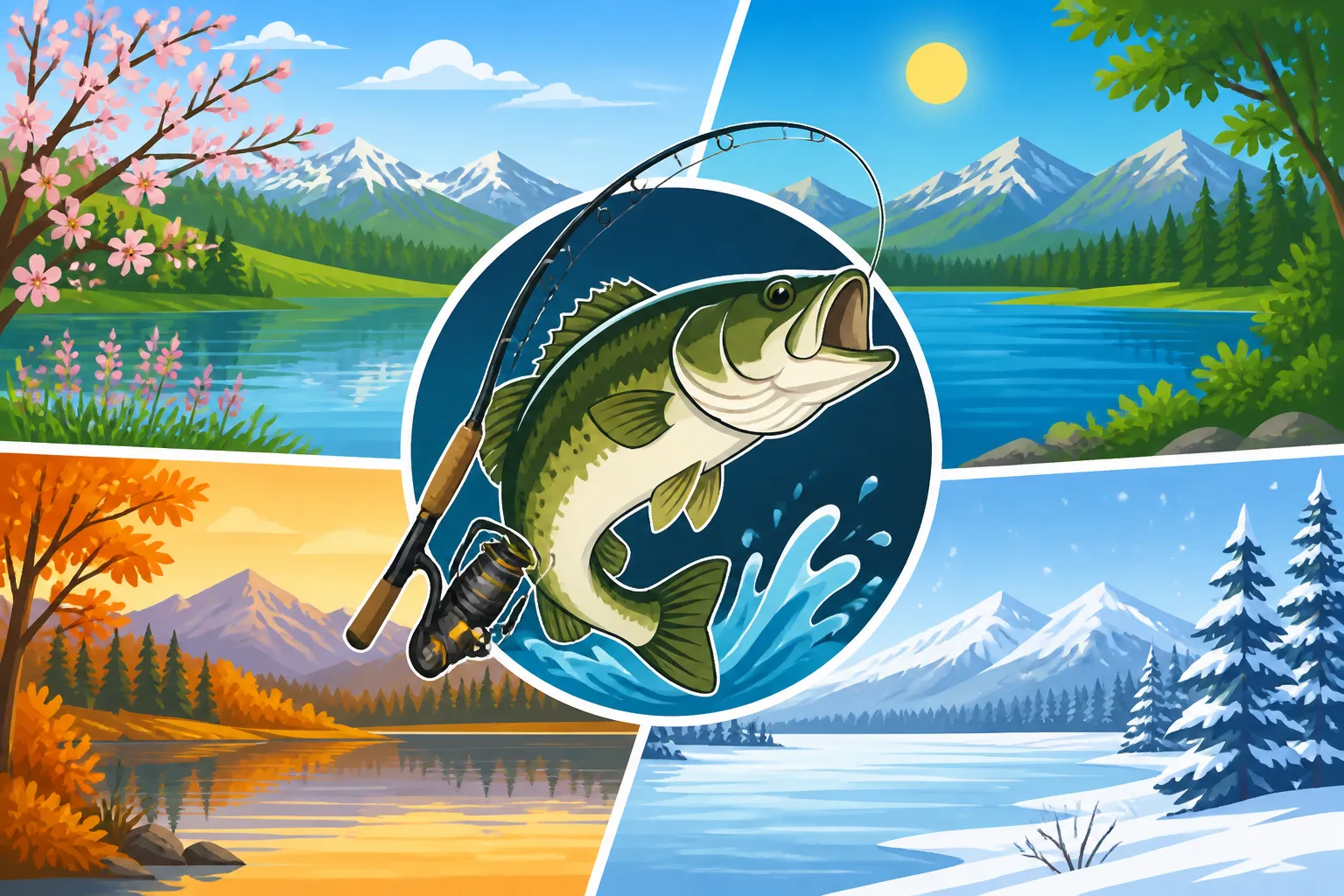
- Summer (Late June to Early September): This is generally the easiest time to access Aster Lake. The hiking trails leading to the lake are usually clear of snow and ice, making for a challenging but rewarding trek. The lake is ice-free, and you can enjoy traditional casting, fly fishing, or even float tubing. Water temperatures are at their warmest, and fish are typically active. However, summer also brings higher visitor numbers to Peter Lougheed Provincial Park, so expect company on the trails and potentially at the lake. Always check trail conditions before heading out, as weather can change rapidly in the mountains.
- Fall (September to November): As the vibrant autumn colours paint the landscape, fishing can be excellent. The crowds thin out, and the trout often become more aggressive as they prepare for winter. However, access can become trickier. Snow can begin to fall at higher elevations, making trails slippery and potentially covering paths. Day lengths shorten, and temperatures drop significantly. You’ll need to be prepared for colder weather, and potentially icy sections on the trail.
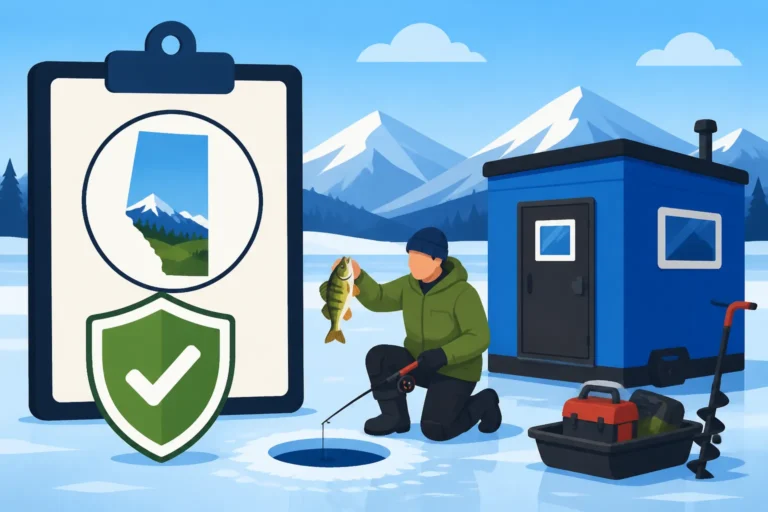
- Winter (December to March): This is where "year-round" truly tests an angler's dedication. Aster Lake will be completely frozen over, offering prime ice fishing opportunities. However, reaching the lake in winter is a serious undertaking. The trails are snow-covered, requiring snowshoes or cross-country skis. Avalanche risk can be a concern in some areas surrounding the lake, so proper backcountry knowledge, gear, and checking avalanche forecasts are non-negotiable. The days are short, and temperatures can plummet far below freezing. You'll need appropriate winter clothing, navigation tools, and survival gear. While the lake is open, many might find the effort to access it in winter prohibitive, which naturally manages pressure. If you do go, ensure you have reliable ice fishing gear for Alberta, including a sturdy auger and a warm shelter.
- Spring (April to Early June): This is perhaps the most challenging and unpredictable time. While the lake technically remains open, access can be a nightmare. Trails will be a mix of mud, melting snow, and ice. The lake might still be partially frozen, or the ice could be dangerously thin and unstable, making ice fishing unsafe and open-water fishing impossible. This period is often referred to as "ice-off," and it can be highly variable. It's usually best to wait until late spring or early summer when conditions stabilize for safer and more enjoyable fishing.
Species Present and Targetting Them Year-Round
Aster Lake is primarily known for its trout fishing, specifically for stocked rainbow trout. You might also encounter cutthroat trout, although they are less prevalent. The high-elevation, oligotrophic (nutrient-poor) nature of the lake means it's not conducive to a wide variety of species, making it a focused trout fishery.
Targeting these species year-round involves adapting your approach:
- Open Water Seasons (Summer/Fall): During ice-free periods, traditional trout fishing methods are effective. Fly fishing with nymphs, dry flies, and streamers can be very productive. Small spinners, spoons, and bait (where permitted) are also popular choices. Given the clear water, a stealthy approach is often best. You can find excellent fly patterns for the Bow River, which often translate well to other clear-water trout fisheries like Aster Lake, though matching local hatches is key.
- Ice Fishing Season (Winter): When the lake is frozen, ice fishing becomes the method of choice. Small jigs tipped with bait (like maggots or mealworms), small spoons, or even tiny soft plastics can entice trout through the ice. The fish will likely be suspended at various depths, so a portable fish finder, like those readily available on Amazon, can be invaluable for locating them. Understanding how to catch rainbow trout generally involves knowing their feeding habits and preferred depths, which can vary even under the ice. Always check the ice thickness before venturing out.
Key Regulations to Remember Beyond Season Dates
Just because Aster Lake is open year-round doesn't mean it's a free-for-all. Every angler still has a responsibility to adhere to all other Alberta fishing regulations. Forgetting these could lead to serious consequences.
Alberta Fishing License and WIN Card Requirements
This is non-negotiable. Regardless of the season or the specific water body, if you are 16 years of age or older, you must possess a valid Alberta fishing license. There are no exceptions for Aster Lake. This license contributes directly to the conservation and management of Alberta's fisheries. Before you can even purchase a license, you'll need an Alberta WIN Card, Explained. This Wildlife Identification Number is your unique identifier within Alberta's resource management system. It's a fundamental step for any hunter or angler in the province. Make sure your WIN card is active and your fishing license is purchased for the current year. Both should be on your person, either digitally or physically, whenever you are fishing.
Species-Specific Limits and Rules for Aster Lake
Even with a year-round season, bag and possession limits still apply. You cannot simply keep every fish you catch. You need to consult the current Alberta Guide to Sportfishing Regulations for the specific zone Aster Lake falls into (likely ES3, but always double-check) to understand the daily catch limits for species like rainbow trout and cutthroat trout. These limits are in place to ensure sustainable harvesting and prevent overfishing. Remember, these regulations are frequently updated, so relying on old information is risky. Pay close attention to the Alberta Bag and Possession Limits by Species section in the guide.
Furthermore, specific gear restrictions or practices might apply. For example, some waters in Alberta are designated as Alberta Barbless Hook Requirement Waters to minimize harm to fish, particularly in catch-and-release fisheries. Always verify these details for Aster Lake. The overall goal is responsible angling, ensuring the long-term health of the fish populations.
Mandatory Gear and Catch-and-Release Practices
Beyond licenses and limits, there are ethical and practical considerations, especially for a mountain lake. It's not uncommon for mountain lakes to have specific rules like "catch and release only" for certain species, or requirements for specific types of tackle. Even if not explicitly mandated for all species in Aster Lake, practicing safe catch and release is highly encouraged, particularly for native cutthroat trout. Learn how to safely handle fish, minimize their time out of water, and use proper tools like rubberized landing nets to reduce stress and injury. A good pair of fishing pliers, which you can easily find on Amazon, is also essential for quickly and safely removing hooks.
The concept of "zero possession" rules exists for sensitive species like bull trout in Alberta Bull Trout Zero Possession Rule areas; while not specifically applicable to Aster Lake, it underscores the importance of being aware of all regulations for any body of water you choose to fish. It's about being a responsible steward of our natural resources.
Planning Your Aster Lake Year-Round Fishing Trip
Fishing Aster Lake year-round means you need to be a prepared and adaptable angler. The rewards are immense, but so are the potential challenges.
Best Times and Gear for Each Season
Choosing the "best" time to fish Aster Lake really depends on what kind of adventure you're looking for and your comfort level with mountain conditions.
- Summer: Hands down the most popular and accessible. Best for hiking in with lightweight gear. A versatile spinning rod or a 3-5 weight fly rod is ideal. Bring insect repellent, sunscreen, and plenty of water. Pack a lunch and enjoy the stunning scenery.
- Fall: A fantastic time for active fish and fewer crowds. Be prepared for cooler temperatures, potential early snow, and rapidly changing weather. Layers are crucial. Your usual trout gear will work, but consider adding a lighter leader for clearer water.
- Winter: This is for the truly dedicated and experienced. Snowshoes or skis are essential for access. Heavy winter clothing, survival gear, and avalanche safety equipment are a must. For fishing, you'll need ice fishing rods, an auger (a lightweight manual one or a powered one if you can transport it), and jigs or spoons. A portable ice hut, which you can find on Amazon, would be a welcome luxury against the cold. Always check conditions and forecasts, and never go alone.
- Spring: Generally advised to avoid during ice-off due to dangerous ice conditions and muddy trails. If you venture out very late spring, when the ice is completely gone and trails have dried, be prepared for cold water and potential lingering snow.
Navigating the Remote Access
Aster Lake is not a roadside fishery. It requires a significant hike, making it less suitable for anglers looking for a quick and easy outing. Access is typically via trails within Peter Lougheed Provincial Park. The hike can be strenuous, involving elevation gain, and depending on the season, could be wet, muddy, snowy, or icy.
Preparation is key:
- Physical Fitness: Ensure you are in good physical condition for a multi-hour mountain hike.
- Navigation: Carry maps, a compass, or a GPS device. Cell service can be spotty or non-existent.
- Layered Clothing: Mountain weather is unpredictable. Layers allow you to adapt to changing temperatures and conditions. Even in summer, pack a warm layer and rain gear.
- Appropriate Footwear: Sturdy hiking boots are essential. In winter, snowshoes or skis are mandatory.
- Water and Food: Carry more than you think you'll need. There are no services at the lake.
- Emergency Kit: First aid, headlamp, fire starter, knife, shelter. These are not optional in the backcountry.
- Bear Spray: Kananaskis Country is bear country. Carry bear spray and know how to use it.
- Leave No Trace: Pack out everything you pack in. Preserve the pristine beauty of this unique fishery.
Consider the weight of your fishing gear. You'll be carrying it all in and out, so ultralight setups are often preferred. A good quality fishing backpack will make the trek much more comfortable. For specific access details and trail conditions, always check the Alberta Parks website or contact park staff before your trip. This helps ensure your safety and enjoyment of the remote Kananaskis Country Fishing Guide experience.
Here’s a quick overview of seasonal considerations for fishing Aster Lake:
| Season | Access Difficulty | Primary Fishing Method | Recommended Gear Additions | Key Considerations |
|---|---|---|---|---|
| Summer | Easy (hike) | Open water (fly, spin) | Sunscreen, bug spray, plenty of water | Busy trails, variable mountain weather |
| Fall | Moderate (hike) | Open water (fly, spin) | Warm layers, waterproof outer shell, headlamp | Shorter days, potential early snow, colder water, fewer crowds |
| Winter | Difficult (ski/snowshoe) | Ice fishing | Snowshoes/skis, avalanche gear, insulated clothing, ice auger, ice hut, survival kit | Extreme cold, high avalanche risk, very strenuous access, short daylight hours |
| Spring | Very Difficult (variable) | Generally not recommended | Wading boots, gaiters (if attempting late spring) | Unsafe ice, muddy trails, unpredictable melt conditions, potential for flash floods |
Disclaimer
The information provided in this guide is for general informational purposes only and is not intended as legal advice or a substitute for official regulations. Fishing rules and regulations in Alberta can change frequently. It is the angler's sole responsibility to consult the most current Alberta Guide to Sportfishing Regulations published by the Government of Alberta, as well as any specific signage or directives at the fishing location, before engaging in any fishing activities. Failure to comply with regulations may result in penalties. Always prioritize safety, especially when venturing into remote or backcountry areas.