Alberta Fishing License Age Requirements
It’s a tale as old as time: you’re planning a fantastic fishing trip to one of Alberta's stunning lakes or rivers, excitedly gathering your gear, and then suddenly, a wave of confusion hits you. Who actually needs an Alberta fishing license in your group? Is your little one exempt? What about Grandma and Grandpa? This can be incredibly frustrating, especially when you just want to get out on the water without the nagging worry of breaking a rule you didn’t even know existed. This comprehensive guide is here to clear up all the mystery surrounding Alberta fishing license age requirements, making sure every angler in your party is properly prepared and legal.
Understanding the Basics of Alberta Fishing Licenses
Before we dive into the specifics of age, let's just ground ourselves in the fundamental understanding of what an Alberta fishing license is and why it's so important. Essentially, it's your permission slip from the province to participate in sportfishing. But it's much more than just a piece of paper or a digital file on your phone; it's a critical component of conservation efforts. The funds generated from license sales directly contribute to the management, protection, and enhancement of Alberta's fisheries. This includes everything from stocking programs in urban ponds to critical research on native species in remote mountain streams, ensuring that our grandchildren will also have the opportunity to enjoy this incredible pastime.
The system is designed to be relatively straightforward, but like many things involving government regulations, the nuances can sometimes trip people up. Knowing the general framework for how licenses are issued, and the role of supplementary identifiers like the WIN Card, will make understanding the age-specific rules much easier to grasp. It's not about making things complicated; it's about managing a precious natural resource responsibly for everyone.
Why Age Requirements Matter
You might wonder why age is such a big factor in fishing license regulations. It’s not arbitrary; it’s a policy decision rooted in encouraging youth participation and acknowledging the lifelong contributions of seniors, while also ensuring that the majority of active anglers contribute to conservation. For younger generations, removing the financial barrier of a license encourages kids and families to explore fishing, fostering a love for the outdoors and conservation from an early age. Imagine a parent trying to introduce three kids to fishing; the cost of multiple licenses could easily become a deterrent, even if it's a small amount.
For seniors, the exemption often serves as a recognition of their years of tax contributions and perhaps a way to give back to those who have enjoyed and supported Alberta's natural spaces for decades. It's a gesture that acknowledges their reduced income in retirement years, making it easier for them to continue enjoying a hobby they likely cherish. These age-based exemptions are carefully balanced against the overall need for conservation funding, and represent a common practice across many jurisdictions to manage both recreational access and ecological sustainability.
The Importance of the WIN Card
While not strictly an age requirement, the Alberta WIN Card, Explained is an absolute prerequisite for most anglers purchasing a fishing license in Alberta, regardless of age (unless you're fully exempt). Think of it as your unique outdoorsman identification number, similar to a driver's license number or a health card number, but specifically for hunting and fishing. You only need to buy it once, and then you just renew it every five years. It’s crucial because every hunting and fishing license you acquire, including your annual fishing license, will be linked to this specific WIN Card number.
Without an active WIN Card, you simply cannot purchase an Alberta fishing license through the MyWildAlberta portal or from an authorized vendor. This system helps Alberta Environment and Protected Areas track angler participation, manage license sales efficiently, and communicate important updates directly to license holders. It’s worth noting that if you’re a non-resident, you’ll also need a WIN Card to purchase your license. It’s a small, one-time investment that streamlines all your future outdoor license purchases in Alberta. You can typically apply for and purchase your WIN Card online, making the process quite convenient before you even think about your actual fishing license.
Youth and Junior Anglers: Who Needs a License and Who Doesn't
This is where a lot of the confusion often lies for families. You’re keen to get your kids hooked on fishing, but you’re not sure if you need to buy a separate license for each one. The good news is, Alberta has made it quite accessible for younger anglers to participate without immediate financial burden. This approach is designed to foster a love for fishing and the outdoors early on, creating future stewards of our natural resources.
It’s important to understand the specific age cutoffs, as they determine whether your young fishing buddy needs their own paperwork or can simply enjoy the sport under the general umbrella of an adult’s compliance. The rules are fairly generous, reflecting a provincial commitment to encouraging family involvement in outdoor activities.
Children Under 16: Full Exemption Explained
Here’s the fantastic news for families: in Alberta, if you are under 16 years of age, you do not need an Alberta fishing license. That's right, it's a full exemption! This means your children, grandchildren, nieces, nephews, or any other young person under the age of 16 can fish without needing to purchase a license, or even obtain a WIN Card. This generous policy removes a significant barrier for families, making it much easier and more affordable to introduce kids to the joys of angling.
Imagine packing up the car for a weekend camping trip to a spot like Pigeon Lake, known for its walleye and pike, and bringing along your two kids, aged 8 and 14. Under these rules, you, as the adult, would need your license and WIN Card, but your children can cast their lines right alongside you, free of charge. It’s an invaluable way to spend time together, teach them about fish identification, casting techniques, and responsible angling, all without the added step of buying them a separate license. This exemption holds true whether they are fishing with a licensed adult or even trying their hand at solo fishing, as long as they are under that magical 16-year mark.
Teenagers 16 and Older: The Standard Requirement
Now, once those younger anglers hit their 16th birthday, the rules change. From the moment they turn 16, they are considered an adult angler in the eyes of Alberta's fishing regulations and are required to purchase their own fishing license and possess a valid WIN Card. This is a crucial transition point that often catches people off guard. A teenager who has been fishing license-free for years suddenly needs to comply with the standard adult requirements.
This means if you're planning a trip with a 16-year-old or 17-year-old, you need to ensure they have first obtained a WIN Card and then purchased the appropriate Alberta Fishing License Guide for 2026. This also means they need to understand all the associated regulations, such as bag and possession limits, zone restrictions, and special regulations for specific waters. It’s a good opportunity to teach them about their individual responsibility as an angler, contributing to conservation efforts just like any other adult.
Special Considerations for Youth Tournaments or Events
While the under-16 exemption is broad, it's always wise to double-check any specific rules for organized fishing events or tournaments that your youth might be participating in. Some larger, formally organized events, particularly those with significant prizes or those sanctioned by national bodies, might have their own supplementary requirements or may even require proof of age registration, even if a license isn't needed. For instance, if a youth tournament specifically targets catch-and-release records, they might still need participants to register with the event organizers to ensure fair play and proper identification.
However, for most casual youth fishing derbies, community events, or family-focused fishing days, the provincial exemption typically stands. It's always best practice to contact the event organizers directly to confirm any unique requirements they might have for participants under 16, ensuring there are no surprises on the big day. This due diligence ensures that your young angler can fully enjoy the excitement and camaraderie of such events without any regulatory hiccups.
Senior Anglers: Exemptions and Proof of Age
Just as Alberta extends an encouraging hand to its youngest anglers, it also recognizes the valuable contributions and lifelong passion of its senior community. The province offers a significant exemption for older anglers, allowing them to continue enjoying fishing without the annual license fee. This is a thoughtful way to acknowledge their years of outdoor recreation and provide continued access to a cherished pastime during retirement. However, there are still some important details to be aware of, particularly regarding proof of age and how these rules apply to non-residents.
It's not enough to simply be a senior; you need to be able to demonstrate your eligibility if asked by a Fish and Wildlife Officer. This section will clarify exactly what that means and address any potential confusion for those who might be visiting Alberta from out of province.
Age 65 and Over: The Senior Exemption
For Alberta residents, the good news continues for those who have reached the age of 65. If you are an Alberta resident and are 65 years of age or older, you are not required to purchase an Alberta fishing license to sportfish in Alberta waters. This is a wonderful benefit that allows seniors to continue their outdoor pursuits without the recurring cost of a license. This exemption is in place to support seniors in maintaining an active lifestyle and to recognize their long-standing connection to the province’s natural heritage.
This means if you’re an Alberta resident celebrating your 65th birthday, you can look forward to many more years of fishing trips to places like the Bow River or Lesser Slave Lake, knowing you’re exempt from the license fee. It’s important to remember that while the license fee is waived, all other Alberta Fishing Regulations Explained still apply, including bag limits, season dates, and specific water body rules. You still need to be a responsible angler, abiding by the rules to protect the resource for everyone.
Carrying Proof of Age: What You Need to Know
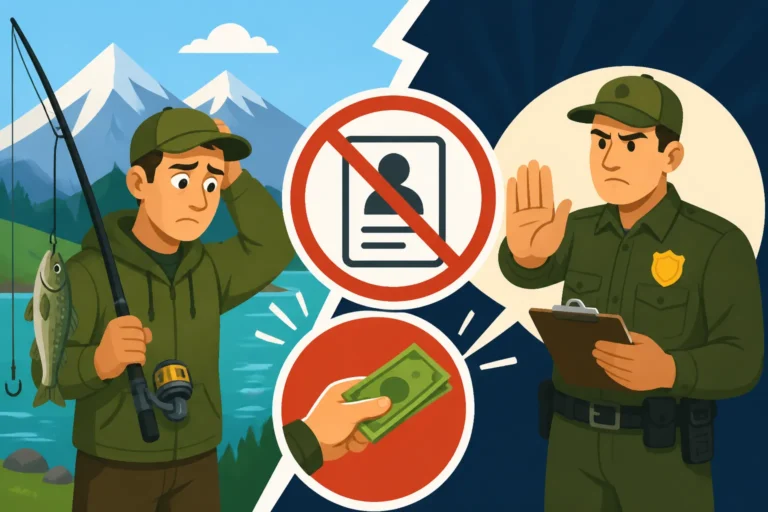
While Alberta seniors over 65 don't need to purchase a license, they absolutely must carry valid identification that clearly shows their date of birth. This is non-negotiable. If a Fish and Wildlife Officer asks to see your license, and you are exempt due to age, your proof of age becomes your "license" for all intents and purposes. Without it, you could be treated as fishing without a license, which can lead to significant penalties.
Think of it this way: a driver's license, an Alberta Identification Card, a passport, or any other government-issued ID that explicitly states your birthdate will suffice. It needs to be something official and easily verifiable. Don’t assume your grey hair is enough proof! A common scenario is an angler forgetting their wallet at home. Even if you’re 75, without that physical proof of age on your person, you're technically not compliant. Always make it a habit to carry your ID when you’re out fishing, just as you would if you needed to prove your age for any other activity. You can often keep a photo of your ID on your phone, but a physical copy is always the safest bet.
Non-Resident Senior Rules
This is a critical distinction that often causes confusion. The senior exemption for those 65 and over applies only to Alberta residents. If you are a non-resident senior, even if you are over 65, you are still required to purchase an Alberta fishing license. This applies to non-resident Canadians (e.g., from British Columbia or Saskatchewan) and international visitors alike. There's no age-based exemption for seniors visiting Alberta.
So, if you have family coming to visit from, say, Ontario or Montana, and they are well over 65 and eager to join you on a fishing excursion, they will need to obtain an Alberta WIN Card, and then purchase the appropriate non-resident fishing license. This could be a 1-day, 7-day, or annual non-resident license, depending on the length of their stay. Understanding these differences is key to avoiding an awkward situation on the water and ensures everyone fishing in your group is compliant, regardless of where they call home. The "Resident vs Non-Resident Fishing License Costs in Alberta" article provides more detailed information on these specific rates.
Resident vs. Non-Resident Age Requirements
The distinction between residents and non-residents is arguably the most impactful factor in Alberta's fishing license regulations, second only to the specific age cutoffs we’ve just discussed. It affects not only pricing but also how age exemptions are applied. Getting this straight is paramount for anyone planning a fishing trip in the province, whether they live here or are just passing through. The province defines residency quite clearly, and it largely dictates which rules apply to you.
Understanding these differences is crucial for avoiding any unintentional non-compliance. It’s not just about the cost; it’s about adhering to the system that helps manage Alberta's fisheries for all its users.
Alberta Residents: Clear-Cut Rules
For individuals who meet Alberta's residency criteria, the rules regarding age and licensing are quite clear, as we've outlined. If you are an Alberta resident:
- Under 16 years of age: No fishing license or WIN Card is required. You are fully exempt.
- 16 to 64 years of age: You are required to possess a valid Alberta WIN Card and an annual Alberta Sportfishing License.
- 65 years of age and older: No fishing license is required, but you must carry valid government-issued photo identification proving your age (e.g., driver's license, Alberta ID card). You also do not need a WIN Card if you are exempt from purchasing a license due to age.
These rules are designed to be straightforward for those who call Alberta home. The most common pitfall for residents is usually forgetting their ID if they're a senior, or for a 16-year-old, not realizing they've crossed the threshold and now require their own license and WIN Card. Always make sure you understand the Alberta fishing license age requirements summary before heading out.
Non-Resident Canadians and International Visitors
If you're not an Alberta resident, the rules are different, and generally, more encompassing, regardless of your age. Whether you're from another Canadian province or an international visitor, you will almost certainly need a license.
- Under 16 years of age: While Alberta residents under 16 are exempt, it's generally recommended for non-resident youth under 16 to be fishing with a licensed adult. Although the regulations broadly state "no license required if under 16 years of age," it's always safest for them to be accompanied by an adult who does hold a valid non-resident license, especially if they are actively participating in the fishing. This avoids any potential confusion or questioning by enforcement officers, as the general assumption is that non-residents will have some form of licensing or be under direct supervision of one.
- 16 years of age and older (including seniors 65+): Every non-resident angler aged 16 and over must possess a valid Alberta WIN Card and an appropriate non-resident fishing license. This includes Canadian non-residents and international non-residents. There are no age-based exemptions for seniors who are not Alberta residents.
The distinction between Canadian non-residents and international non-residents primarily affects the pricing of the license, as detailed in the "Non-Resident Annual Fishing License Cost in Alberta" information, but the requirement to have one remains consistent for all non-residents 16 and older.
Short-Term License Options for Visitors
Recognizing that many non-residents may only be visiting Alberta for a short period, the province offers flexible short-term license options. This is especially helpful for tourists or those on a quick family vacation who want to experience Alberta's world-class fishing.
- 1-Day Non-Resident License: Perfect for a single day of fishing. This option is ideal for someone who might only have one afternoon to spend on the water during their trip.
- 7-Day Non-Resident License: A great choice for those on a week-long vacation, allowing multiple fishing excursions over a full week.
Both of these short-term licenses still require the purchase of a WIN Card first. While the license itself is cheaper than an annual one, factor in the WIN Card activation fee when calculating the total cost. These options make it more palatable for visitors to comply with the rules without committing to a full year's license they won't use. You can purchase these through the MyWildAlberta portal or at licensed vendors.
Here's a quick summary table to make things super clear:
| Angler Category | Age Group | License Required? | WIN Card Required? | Notes |
|---|---|---|---|---|
| Alberta Resident | Under 16 | No | No | Full exemption. |
| 16 – 64 | Yes | Yes | Standard requirement. | |
| 65 and Over | No | No | Must carry valid government ID showing age. | |
| Non-Resident (Canadian/Intl.) | Under 16 | No (but fish with licensed adult recommended) | No | Generally exempt, but supervision by licensed adult is best practice. |
| 16 and Over | Yes | Yes | No senior exemption for non-residents. |
Common Scenarios and Frequently Asked Questions
Understanding the core rules is one thing, but real-life fishing trips often throw curveballs that leave us scratching our heads. "What if my kid is fishing near me, but I'm the only one with a license?" or "Does it matter if we're on a small pond versus a big river?" These are excellent questions that deserve clear answers. Let's explore some common situations and clear up typical misunderstandings, ensuring you feel confident in any angling scenario.
It’s about more than just knowing the letter of the law; it's about understanding the spirit of the regulations and how they apply in various practical contexts you might encounter on the water.
Fishing with a Licensed Adult vs. Solo
A common question, especially when it comes to youth, is whether a licensed adult's presence makes a difference. For Alberta residents under 16, their exemption stands whether they are fishing solo (e.g., in a backyard pond) or with a licensed adult on a major river. Their age is the sole determining factor for the license requirement. However, for a young child, common sense and safety dictate they should always be supervised by a responsible adult, licensed or not.
For non-resident youth under 16, while technically they also don't require a license, it is always, always, always recommended that they fish with a non-resident adult who possesses a valid Alberta fishing license. This provides a clear chain of responsibility and avoids potential confusion with a Fish and Wildlife Officer. If a non-resident minor is found fishing completely unsupervised or only with other unlicensed non-resident minors, it could lead to questions, even if they are technically exempt by age. Having a licensed adult nearby makes everything smoother. This also ensures that if any fish are kept, they are part of the licensed adult's bag limit, as the unlicensed youth cannot claim fish against their own non-existent limit.
License Requirements for Different Water Bodies
Does the type of water body you're fishing in affect the age requirements? Generally, no. The provincial fishing license requirements apply uniformly across all public waters in Alberta, whether it's a small stocked pond, a massive lake like Lake Athabasca, or a world-renowned river like the Bow. The age exemptions and requirements remain the same. However, it's crucial to remember that while the license requirements are consistent, the regulations for specific water bodies can vary wildly.
For example, a stocked trout pond near Calgary might have a different daily limit or bait restrictions than a wild trout stream in Kananaskis Country. Some waters might even be designated as "Special Regulation Waters" with unique rules, such as barbless hook requirements or catch-and-release only rules. So, while your 10-year-old doesn't need a license anywhere in Alberta, you still need to ensure they (and you) are following the specific rules for the particular water you are fishing. Always consult the current Alberta Guide to Sportfishing Regulations or use the Alberta Fishing Regulations App and Zone Lookup, Explained to confirm the rules for your chosen spot.
What Happens if You Fish Without a License
Fishing without a required license is a serious offense in Alberta, and it’s important to understand the potential consequences. It's not just a minor slap on the wrist. If you are required to have a license (meaning you are an Alberta resident aged 16-64, or a non-resident 16 or older) and you are caught fishing without one, you could face significant fines. These fines are designed to be a deterrent and reflect the importance of license revenue for conservation.
The actual penalty for Fishing Without a License in Alberta: Penalties can vary depending on the discretion of the Fish and Wildlife Officer and the specific circumstances, but fines can range from hundreds to thousands of dollars. In some severe cases, it could also lead to confiscation of fishing gear or even a ban from fishing for a period. It's simply not worth the risk. Always make sure everyone in your fishing party who needs a license has one and can produce it (or proof of exemption) if asked. This ensures your trip is enjoyable and stress-free.
Navigating the MyWildAlberta Portal for Licenses
Once you've figured out who needs what, the next step is actually getting those licenses. Thankfully, Alberta has a very efficient online system through the MyWildAlberta portal. It's designed to be user-friendly, allowing you to purchase licenses from the comfort of your home, avoiding lines at physical vendors. However, if you're not tech-savvy or prefer face-to-face interaction, there are still plenty of options.
This section will guide you through the process, emphasizing convenience and ensuring you understand how to handle both digital and physical documentation for your fishing adventures.
Online Purchase Steps and Convenience
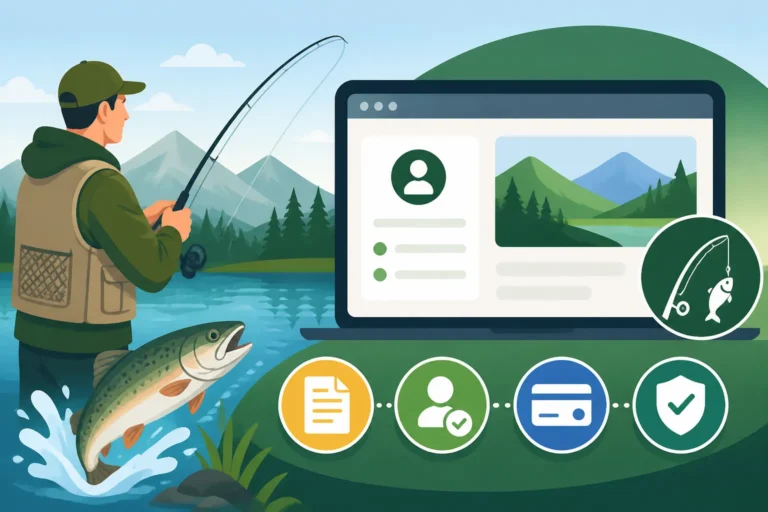
Buying your Alberta fishing license online is the most convenient method for many anglers. The MyWildAlberta portal is the official gateway, and it's generally quite intuitive. Here’s a simplified breakdown of the steps:
- Access the Portal: Head to the MyWildAlberta website.
- Log In or Create Account: If you already have a WIN Card, log in using your WIN Card number and password. If you're new or don't have a WIN Card, you'll need to create an account and purchase your WIN Card first.
- Select License Type: Navigate to the fishing license section and choose the appropriate license for yourself or the person you're buying for (e.g., annual resident, 7-day non-resident).
- Complete Purchase: Follow the prompts to add the license to your cart and complete the payment process. You can pay with major credit cards.
- Print or Save: Once purchased, you'll receive a confirmation and a printable version of your license. You can also save a digital copy to your phone.
The process for How to Buy an Alberta Fishing License Online is designed to be seamless. One major benefit of online purchase is that your WIN Card and licenses are all linked in one place, making it easy to manage.
Digital vs. Paper License Carrying Options
After you've purchased your license, you have options for how you carry proof of it on the water. Alberta officially accepts both physical printouts and digital versions displayed on your electronic device. This is great for convenience, as many people prefer not to carry paper these days.
- Digital: Saving a PDF of your license to your smartphone or tablet is perfectly acceptable. Just ensure your device is charged and protected (a waterproof case, perhaps from Amazon, is always a good idea!) so you can display it clearly if requested by a Fish and Wildlife Officer. This method is incredibly popular for its ease and reduced clutter.
- Paper: If you prefer, you can print a physical copy of your license. Many anglers choose to laminate it or store it in a waterproof bag to protect it from the elements.
The key is that the license must be readily available for inspection at all times while you are fishing. There's no "I left it in the car" excuse if you're on the water. So whether you're old-school with a laminated card or tech-savvy with your phone, make sure your license is on your person and accessible. You can learn more about Printing or Carrying a Digital Fishing License in Alberta to make sure you're always compliant.
Where to Find Physical License Vendors
While the MyWildAlberta portal is convenient, not everyone has reliable internet access or prefers online transactions. Thankfully, you can still purchase Alberta fishing licenses (and WIN Cards) in person from a network of authorized vendors across the province. These vendors typically include:
- Sporting Goods Stores: Major chains and local independent shops often sell licenses. Think of places like Cabela's, Bass Pro Shops, or your local tackle shop.
- Hardware Stores: Many smaller towns will have a hardware store that also acts as a license vendor.
- Gas Stations/Convenience Stores: In some rural areas, you might find licenses available at these locations.
The advantage of buying in person is that you can ask questions, and the vendor can guide you through the process. They can also usually print out your license on the spot. If you’re unsure where to find a vendor, the MyWildAlberta website typically has a "Find a Vendor" tool that can help you locate the nearest one to your home or your fishing destination. It's always a good idea to call ahead to confirm their operating hours and ensure they sell fishing licenses before making a special trip.
Disclaimer
Please remember that fishing regulations, including age requirements and exemptions, can change. While this guide provides comprehensive and up-to-date information, it is always your responsibility to consult the current Alberta Guide to Sportfishing Regulations or the MyWildAlberta website before heading out. This content is for informational purposes only and should not be considered legal advice.