Alberta Walleye Limit by Zone
There are few things more frustrating for an angler than gearing up for a fantastic day of walleye fishing, only to realize the regulations for that specific lake or river are different from what you thought. Alberta's fishing regulations, particularly for a prized species like walleye, can feel like a labyrinth of zones, special harvest licenses, and catch-and-release rules. This guide is here to untangle that confusion, breaking down the specific walleye limits by zone and helping you understand exactly what you need to know before you cast your line.
Understanding Alberta's Walleye Management and Why Zones Matter
For many of us, walleye fishing isn't just a hobby; it's a passion. The thrill of a walleye strike, the challenge of landing a good-sized fish, and the prospect of a delicious meal make them one of Alberta's most sought-after species. But with that popularity comes responsibility, and Alberta Environment and Protected Areas (AEPA) takes walleye conservation very seriously. This is why the regulations can seem so intricate – they're designed to protect these incredible fish for future generations of anglers.
The Importance of Walleye Conservation
Walleye are incredibly resilient fish, but they're also highly susceptible to overfishing due to their schooling behaviour and delicious taste. In Alberta, walleye populations faced significant declines in many lakes through the late 20th century. Overfishing, habitat degradation, and environmental changes all played a role. It was a tough time, seeing once-thriving fisheries dwindle. That's why the regulations you see today, which are often quite restrictive, are a direct response to these historical challenges. The goal is to allow populations to recover and maintain healthy, self-sustaining fisheries. Without these measures, we could lose the opportunity to chase walleye altogether. These conservation efforts often include things like slot limits, daily bag limits, and in many cases, special harvest draws or even catch-and-release only rules, all aimed at protecting specific age classes or the overall breeding stock.
How Fishing Zones and Waterbody Specificity Impact Regulations
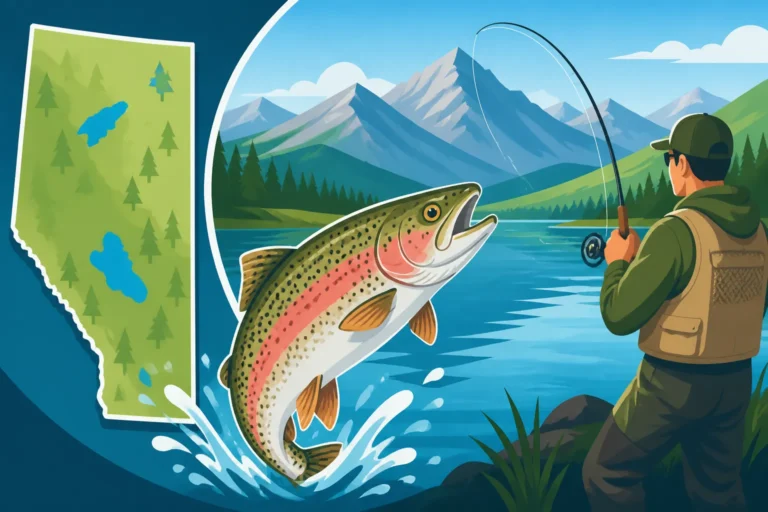
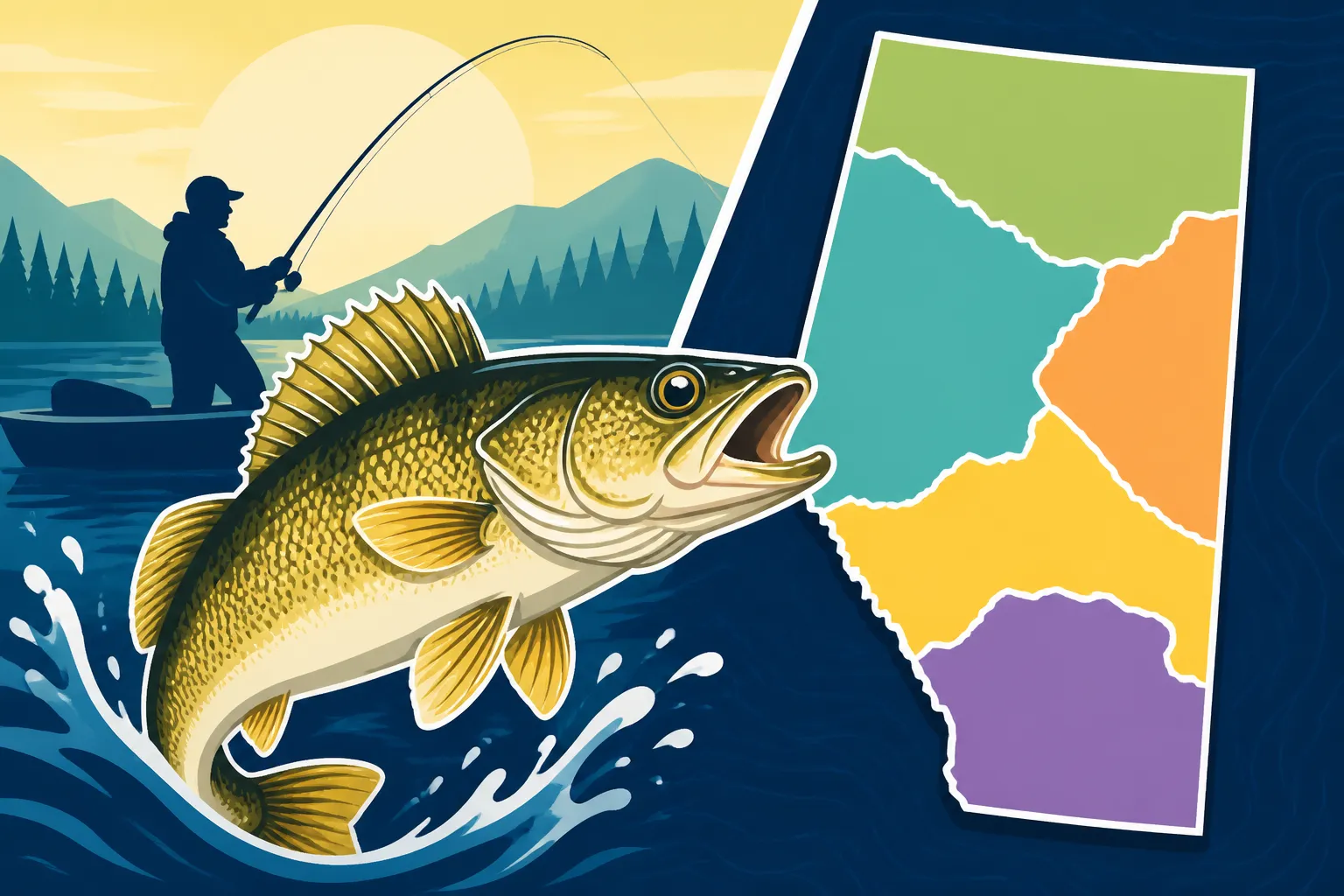
Alberta is a vast province, and its aquatic ecosystems are incredibly diverse. A lake in the northern boreal forest operates very differently from a prairie reservoir in the south, both ecologically and in terms of fishing pressure. To manage these differences effectively, Alberta is divided into several main fishing zones (e.g., Eastern Slopes (ES), Prairie (PP), Northern Boreal (NB), Southern Slopes (SS)). However, when it comes to walleye, the regulations often go even deeper than just the broad zone.
You might find that within a single zone, one lake has a "zero possession" rule for walleye, while another nearby lake, still in the same zone, is part of a special harvest draw program. This specificity is crucial because walleye populations can vary significantly even between adjacent water bodies. Factors like water depth, forage availability, spawning success, and angling pressure are assessed individually for many key walleye fisheries. This hyper-local approach means you absolutely cannot assume the rules for one lake apply to another, even if they're geographically close. It’s a common pitfall for even seasoned anglers, and it highlights why checking the specific regulations for your chosen fishing spot is non-negotiable every single time.
Navigating Alberta's Walleye Limits: The Default and the Exceptions
Understanding Alberta's walleye limits often feels like learning a new language, especially when regulations default to "zero possession" and only allow harvest through specific, limited opportunities. It's not always about a simple daily bag limit that applies everywhere; it's much more nuanced.
The Widespread Zero Possession Rule
Let's be blunt: for the vast majority of lakes and rivers in Alberta, the walleye limit is zero. This means if you catch a walleye, it must be immediately and safely released. No exceptions, no keeping it for dinner. This can be a hard pill to swallow, especially if you're used to other provinces or regions where walleye harvest is more common. But this blanket "zero possession" rule is perhaps the single most important tool AEPA has implemented to help walleye populations rebound from past declines.
This rule applies across many waters in the Eastern Slopes, Prairie, and Northern Boreal zones where walleye are present but their populations are either recovering or considered too fragile for any harvest. It’s a testament to the commitment to conservation and ensures that every walleye caught has a chance to spawn and contribute to future generations. So, before you even think about putting a walleye on your stringer, assume it’s catch-and-release only, and then double-check for any rare exceptions. This mindset will keep you compliant and help protect our fisheries.
Lakes and Rivers with Special Harvest Opportunities
While the default is zero, there are specific waterbodies that do offer limited harvest opportunities for walleye. These aren't your typical "catch 3 per day" scenarios. Instead, they usually fall under the Alberta Walleye Special Harvest Licence Program. This means you can't just buy a regular fishing license and keep a walleye from these waters. You need to enter a draw, be selected, and purchase a specific Walleye Special Harvest Licence for that particular lake for that specific season.
These special harvest opportunities are very controlled and are typically granted to lakes where walleye populations are robust enough to sustain a limited take without jeopardizing their long-term health. The number of tags issued is often quite small, and there are strict size limits (e.g., one walleye between 43 cm and 55 cm). These programs are designed to provide a recreational harvest opportunity while closely monitoring and managing the walleye stock. Think of it as a privilege, not a right, and always be sure to understand the specific rules associated with your draw tag. You can find more details in our guide on the Alberta Walleye Special Harvest Licence Program.
Walleye Limits in Key Northern and Central Zones
Instead of listing every single lake (which would be an article in itself and could quickly become outdated), let's look at some examples of the types of regulations you might encounter in the Northern and Central zones. Remember, you must consult the current Alberta Guide to Sportfishing Regulations for the exact rules for your chosen waterbody.
For example, many lakes in the Northern Boreal (NB) zones such as Lesser Slave Lake, Lac La Biche, or Cold Lake, were historically incredible walleye fisheries. While many are still catch-and-release, some might offer draw tags. The specifics often include slot limits. For instance, a draw tag might allow you to keep one walleye over 43 cm (17 inches) or one walleye between 43-55 cm. This ensures smaller, younger fish (future spawners) and very large, older fish (valuable broodstock) are protected.
In the Central Prairie (PP) zones, walleye populations can be more volatile due to environmental factors like winterkill or fluctuating water levels. Here, too, catch-and-release is very common. Some stocked ponds or urban lakes might have unique rules if walleye are introduced, but generally, the emphasis is on protecting native populations. Lakes that do offer harvest might be part of the Special Harvest Licence program with similar slot limits.
Let’s look at a simplified overview of typical walleye regulation types you might encounter:
| Regulation Type | Description | Example Waters/Zones (Always Check Guide!) | Notes |
|---|---|---|---|
| Zero Possession | All walleye must be immediately released. No retention allowed. | Most rivers and many lakes across all zones (ES, PP, NB, SS). | This is the default. Assume this rule applies unless explicitly stated otherwise for a specific waterbody. |
| Special Harvest Licence | Limited opportunity to retain one (or sometimes two) walleye within a specific size slot, obtained via an annual draw. | Specific lakes like Lac La Biche, Cold Lake, Lesser Slave Lake, Pigeon Lake. | Requires a separate, successful draw application and tag. Strict size limits apply. |
| General Harvest | Rare for walleye, but some very specific, robust populations might have a small daily bag limit (e.g., 1 over 43cm). | Extremely limited waters, usually not widely advertised for walleye. | This is almost unheard of for walleye outside of special draws. Double-check religiously if you think this applies. |
This table provides a general idea, but the cardinal rule of Alberta fishing is: Always check the current Alberta Guide to Sportfishing Regulations for the specific waterbody you intend to fish. You can download the guide from the MyWildAlberta portal or check the user-friendly Alberta Fishing Regulations App and Zone Lookup, Explained.
The Alberta Walleye Special Harvest Licence Program
When it comes to harvesting a walleye in Alberta, the Special Harvest Licence program is your primary, and often only, pathway. It’s a system born out of necessity to balance angler desire with the critical need for conservation. This program isn't about simply paying a fee; it's a commitment to responsible resource management.
How the Draw Works and Who Qualifies
The Walleye Special Harvest Licence draw is essentially a lottery system. Each year, AEPA allocates a limited number of tags for specific lakes that are deemed healthy enough to support a small, controlled harvest. Anglers interested in participating must apply for the draw through the MyWildAlberta online portal. It's similar to applying for a big game hunting draw. You'll need an active Alberta WIN Card, and you'll choose the specific waterbody (or waterbodies) you wish to fish for walleye.
The number of tags available for each lake varies annually based on population assessments and recovery goals. Demand for these tags is often incredibly high, especially for popular walleye destinations like Lesser Slave Lake or Lac La Biche. This means that even if you apply, there's no guarantee you'll be successful. The draw period usually opens in the spring, and results are announced a few weeks later. If you're successful, you'll then pay for your specific Walleye Special Harvest Licence, which will detail the exact dates, waterbody, and size limits for your permitted harvest. This process ensures that only a predetermined number of walleye are removed from the population each year, carefully managing the resource. Residents and non-residents can apply, but fees and eligibility might differ slightly, so always consult the official guide.
Understanding Harvest Tags and Reporting Requirements
If you're one of the lucky anglers selected in the draw, you'll receive a physical or digital tag associated with your Walleye Special Harvest Licence. This tag is incredibly important. It's not just a piece of paper; it's your legal authorization to possess a walleye from a specific body of water, within a specific size range, during a specific time frame.
Upon successfully harvesting a walleye, you are legally required to immediately attach your tag to the fish and ensure it remains attached until the fish is consumed or processed. This means carrying your tag with you at all times when fishing the designated waterbody. Furthermore, most special harvest programs require mandatory reporting of your harvest, whether you kept a fish or not. This data is vital for fisheries managers. It helps them track harvest rates, understand angler effort, and make informed decisions for future management plans. Failing to attach your tag or neglecting to report your harvest can result in significant penalties, including fines and potential suspension of your fishing privileges. Think of these tags and reporting as your direct contribution to the ongoing health of Alberta's walleye fisheries, allowing the province to fine-tune its approach year after year.
Responsible Walleye Angling: Practices and Tools
Whether you're fishing under a special harvest license or practicing catch-and-release, responsible angling is paramount, especially when it comes to sensitive species like walleye. Our actions on the water directly impact the health and future of these fisheries.
Mastering Catch and Release for Walleye
Since most walleye fishing in Alberta is catch-and-release, perfecting your technique is not just good practice, it's essential for the fish's survival. A poorly handled fish is a dead fish, even if it swims away. Here's how to maximize survival rates:
- Minimize Fight Time: Use appropriate tackle that can bring the fish in relatively quickly without completely exhausting it. Overly long fights can lead to lactic acid buildup, which is detrimental to fish health.
- Use Barbless Hooks: Alberta mandates barbless hooks in many trout streams, and while not universal for walleye, they are a fantastic idea. A barbless hook allows for quick and easy removal, minimizing damage to the fish's mouth. You can easily pinch down the barb on most hooks with a pair of pliers, readily available on Amazon or at any tackle shop.
- Handle with Care:
- Keep the fish in the water as much as possible. If you must remove it for a quick photo, do so gently and quickly.
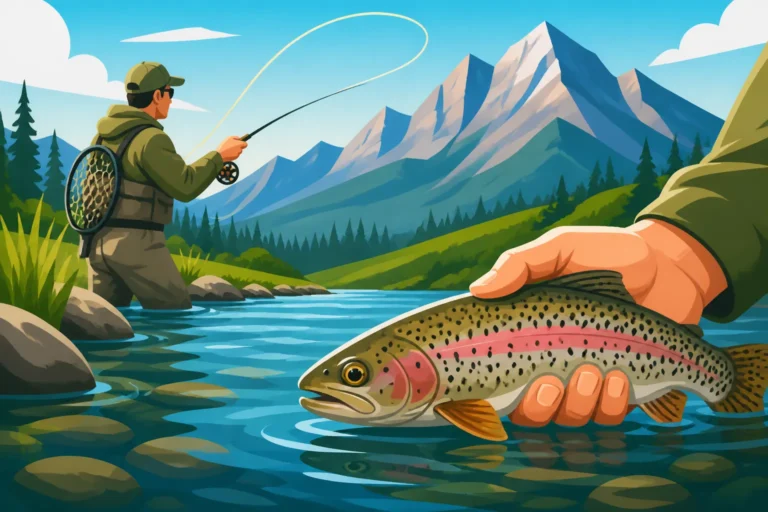
- Support the fish horizontally. Never hold a walleye vertically by the jaw or gill plates, as this can severely damage its internal organs and spine. Support its belly and tail.
- Wet your hands before touching the fish. Dry hands can remove the protective slime coat, making the fish vulnerable to disease.
- Use appropriate tools. Long-nosed pliers or a de-hooking tool are invaluable for removing hooks quickly and safely, especially if the fish has swallowed the hook.
- Revive Properly: If the fish seems sluggish after release, gently hold it upright in the water, facing into the current (if any), until it regains its strength and can swim away under its own power. Don't just toss it back; ensure it's ready.
By following these steps, you significantly increase the chances of your released walleye surviving and thriving, contributing to a healthier fishery. You can dive deeper into proper techniques in our guide on Alberta Catch and Release Only Waters.
Essential Gear for Measuring and Identifying Fish
Being prepared with the right gear ensures you can comply with regulations and handle fish responsibly.
- Measuring Tape or Board: This is non-negotiable. Whether you have a specific slot limit or a "one over X cm" rule, you need an accurate way to measure your catch. A foldable fabric measuring tape is convenient, or a dedicated bump board for more precise measurements. Make sure it's long enough for potential trophy walleye! Many fishing supply stores, or even Amazon, offer sturdy, waterproof measuring devices.
- Pliers/De-hooker: As mentioned, these are crucial for quick and safe hook removal, especially when using barbless hooks.
- Current Regulations Guide: Always have a copy of the latest Alberta Guide to Sportfishing Regulations. Whether it's the physical booklet you picked up at a licensed vendor, the PDF saved on your phone, or the MyWildAlberta app, ensure it's the most recent edition. Regulations can change annually, and relying on outdated information is a common mistake that can lead to fines. Our guide on Reading the Alberta Guide to Sportfishing Regulations can help you navigate it.
- Fish Identification Guide: While walleye are generally easy to identify, some anglers confuse them with their close relative, the sauger. Knowing the key differences (e.g., walleye have a distinct white tip on the lower tail fin lobe, sauger have spots on their dorsal fin) is vital to avoid accidentally possessing a fish you're not allowed to keep. A compact fish identification guide can be very helpful, especially for beginner anglers.
Having these tools readily accessible means you’re not scrambling when you land a fish. It allows you to quickly determine legality and ensures ethical handling, reducing stress on the fish and on you. You can often find great deals on these essential items, like a robust measuring tape or a multi-tool with integrated pliers, by checking online retailers like Amazon.
Staying Current with Alberta's Dynamic Fishing Regulations
Fishing regulations in Alberta are not static; they are living documents that evolve based on scientific research, population assessments, and environmental conditions. What was legal last year might not be this year, and assuming consistency is a recipe for trouble. Being a responsible angler means committing to staying informed.
Key Resources for Up-to-Date Information
Navigating the ever-changing landscape of fishing regulations can feel like a full-time job, but thankfully, there are excellent, easily accessible resources to keep you in the loop.
- The Official Alberta Guide to Sportfishing Regulations: This is your bible. Published annually, typically in the spring, it outlines all the rules for every species in every zone and specific waterbody. You can download the PDF version from the MyWildAlberta website, making it easy to save on your phone or tablet for offline access. Physical copies are also usually available at fishing license vendors, like Canadian Tire or smaller bait shops, when you purchase your Alberta Fishing License Guide for 2026. Make it a ritual to review this guide before your first trip of the season and check it again before visiting any new body of water.
- MyWildAlberta Website: This online portal is a treasure trove of information. Not only can you buy your WIN Card and fishing licenses here, but it also hosts the latest regulations, news releases, and information on special draws (like the Walleye Special Harvest Licence Program). It’s often the first place new regulations are announced.
- MyWildAlberta Mobile App: If you're out on the water and have cell service, this app is incredibly handy. It allows you to look up regulations by zone or even by specific waterbody, providing real-time information. It’s a great tool for quickly verifying rules on the fly, and it can even help you identify zones if you're unsure of your exact location.
- Local Tackle Shops and Guides: Don't underestimate the value of local expertise. The staff at your favourite tackle shop or a professional fishing guide will often have their finger on the pulse of local conditions and any recent regulation changes. They can offer invaluable insights that complement the official guide.
By regularly checking these resources, you'll be well-prepared, compliant, and avoid those awkward (and potentially costly) encounters with a Fish and Wildlife Officer.
Why Regulations Change and What Anglers Can Expect
It can be frustrating when regulations shift, especially if it means you can no longer harvest fish from a favourite spot. However, understanding why these changes occur can help foster a greater appreciation for the complexity of fisheries management.
- Population Health: The primary driver for regulation changes is the health of fish populations. If a walleye population is declining due to poor spawning success, environmental factors, or increased fishing pressure, managers will often implement stricter rules (e.g., moving from limited harvest to zero possession, or reducing bag/slot limits). Conversely, if a population shows strong signs of recovery, managers might cautiously introduce limited harvest opportunities through draw systems, always with careful monitoring.
- Environmental Factors: Events like floods, droughts, severe winters (leading to winterkill), or changes in water quality can all impact fish populations. Regulations are often adjusted to account for these natural fluctuations, protecting fish during vulnerable periods.
- Scientific Research: Fisheries biologists are constantly studying fish populations, their habitats, and the impacts of angling. New scientific findings can lead to updated management strategies and, consequently, changes in regulations.
- Angler Feedback: While science is paramount, angler input is also considered. Through public engagement sessions and online surveys, AEPA gathers feedback that can help shape future policies, balancing conservation with recreational opportunities.
Anglers can expect this dynamic nature to continue. As climate change impacts water temperatures and levels, and as human populations and angling pressure grow, regulations will likely become even more adaptive. The best approach is to embrace this reality, view regulation changes as a necessary part of conservation, and commit to being part of the solution by staying informed and fishing responsibly. It's all about ensuring there are fish to catch for generations to come, whether you're fly fishing for trout on the Bow River or targeting walleye in one of Alberta's best walleye lakes.
Disclaimer
Please remember that fishing regulations, limits, and seasons are subject to change without notice. The information provided in this article is for general guidance only. It is the angler's responsibility to consult the most current official Alberta Guide to Sportfishing Regulations, available from the Alberta Environment and Protected Areas (AEPA) or MyWildAlberta website, before engaging in any fishing activity. Non-compliance with regulations can result in significant penalties.