Best Cooler for a Fishing Boat
There's nothing quite as deflating as reaching into your cooler mid-fishing trip, only to find your ice has turned into a lukewarm puddle, your sandwiches are soggy, and your prized catch isn't staying as fresh as you'd hoped. Many of us have been there, wrestling with flimsy coolers that just can't stand up to a long day under the Alberta sun, or trying to cram a rigid behemoth into a tight boat space. This guide is here to help you navigate the often-overwhelming world of fishing boat coolers, ensuring your drinks stay cold, your food stays dry, and your fish remain pristine from hook to dinner plate, all tailored for our unique Alberta angling adventures.
Why a Dedicated Fishing Cooler is a Game Changer for Alberta Anglers
You might think any old cooler will do, but for the serious (or even just seriously keen) Alberta angler, a dedicated fishing cooler isn't just a luxury; it's a fundamental piece of gear. Our province offers such incredible fishing opportunities, from the rushing rivers brimming with trout to the vast, walleye-rich lakes, and each trip deserves a cooler that can truly perform.
Protecting Your Prized Catch
Imagine finally landing that trophy northern pike on Lesser Slave Lake or a beautiful bull trout (which, remember, are catch and release only in Alberta, but you still want your other keepers safe!) after a long day of patient angling. The last thing you want is for your hard-earned fillets to spoil on the ride home. A quality fishing cooler provides the consistent, low temperature necessary to preserve your catch, slowing bacterial growth and maintaining its quality. This isn't just about food safety; it's about respecting the fish and ensuring that the meal you prepare from your harvest is as fresh and delicious as possible. It's especially crucial during those hot summer days when the sun beats down on your boat, turning lesser coolers into sweat lodges for your fish.
Keeping Provisions Fresh for Long Days on the Water
Alberta's fishing spots can be sprawling. You might spend hours navigating a big lake like Cold Lake for lake trout, or dedicating an entire day to floating a river like the Bow for magnificent rainbows. These aren't short trips where a small lunch bag suffices. You need real food and plenty of cold drinks to stay hydrated and energized. A good fishing cooler means your sandwiches don't wilt, your snacks stay crisp, and your beverages are refreshingly chilled, even after eight or ten hours out. This comfort factor directly contributes to your endurance and enjoyment, letting you focus on the fishing instead of worrying about a warm bottle of water or a soggy snack.
Enhancing Safety and Functionality on Board
Beyond insulation, fishing coolers are often designed with features that make them inherently more suitable for boat life. Many have non-slip feet to prevent them from sliding around in choppy waters or when you're moving around the deck. Integrated tie-down points mean you can secure them easily, preventing them from becoming a hazard. Some even come with built-in measuring rulers for quick compliance checks on fish sizes right on the spot, saving you from rummaging for a separate tape measure. These thoughtful details make a big difference in the flow and safety of your fishing day.
Understanding Cooler Types: Hard-Sided vs. Soft-Sided for Anglers
When you start looking at coolers, you'll quickly realize there are two main camps: hard-sided and soft-sided. Both have their place on the water, but knowing the pros and cons of each will help you decide which is best suited for your specific Alberta fishing adventures.
Hard-Sided Coolers: The Durability Champions
Hard-sided coolers are what most people picture when they think of a cooler. They're robust, often made from rotomolded plastic, and built to withstand a beating. Think of brands like Yeti, RTIC, or the heavy-duty offerings you'd find at Bass Pro Shops. These are the workhorses, designed for maximum ice retention and extreme durability.
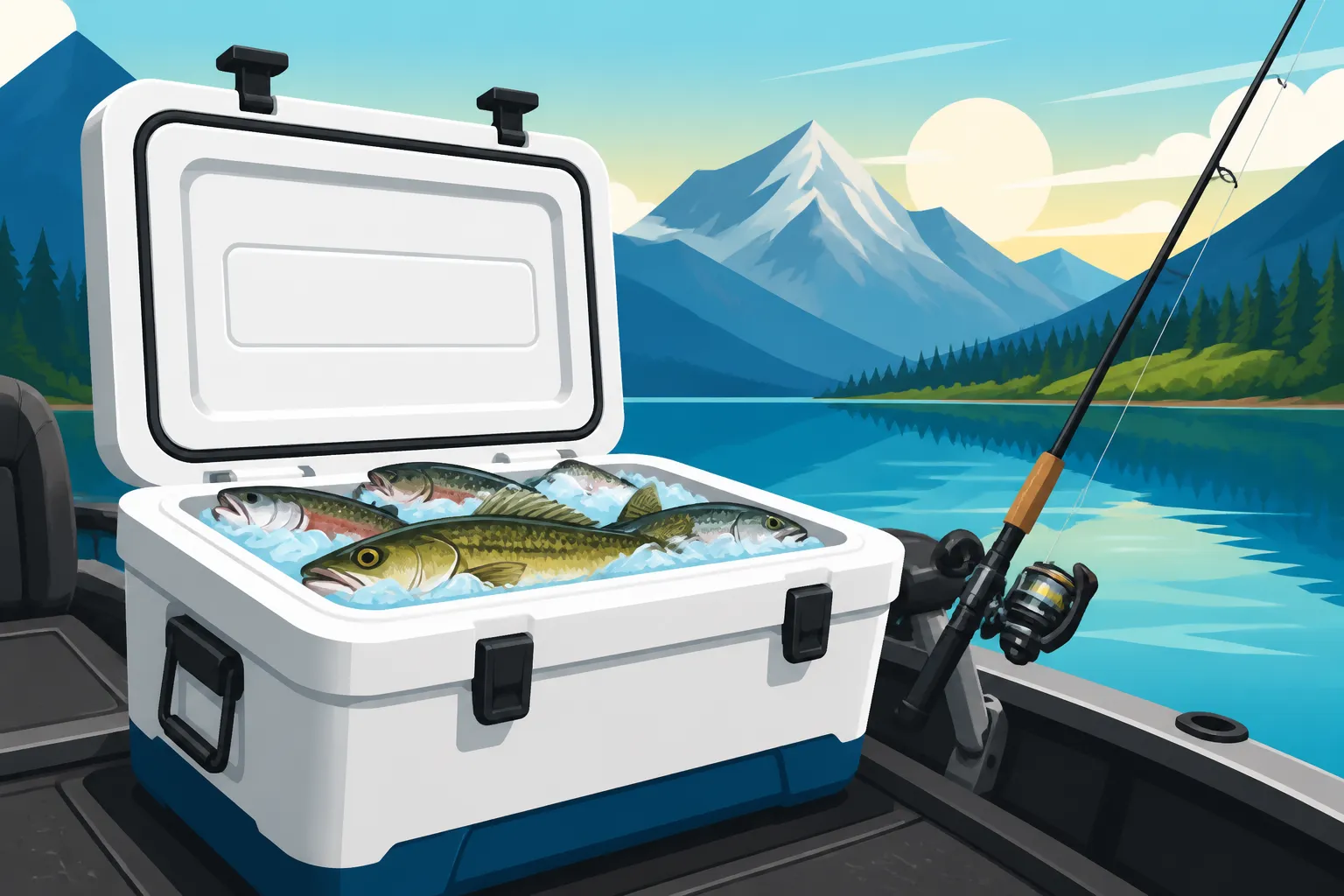
For a fishing boat, a hard-sided cooler offers unparalleled insulation. They typically have thick walls injected with high-density foam, along with heavy-duty gaskets around the lid to create an airtight seal. This means your ice lasts much longer, which is essential for multi-day trips or those scorching summer days on a large body of water where you might be targeting walleye or pike. They can also double as a sturdy seat or casting platform, adding versatile functionality to your boat's limited space. The downside? They are often heavier, bulkier, and can be quite an investment upfront. However, for many Alberta anglers, the longevity and performance are well worth the cost, especially if you're regularly bringing home a good number of fish.
Soft-Sided Coolers: The Flexible, Portable Option
Soft-sided coolers, like those from Engel or Hydro Flask, offer a completely different set of advantages. They are typically made from durable, waterproof fabrics, often with some level of insulation. While they can't match the ice retention of a premium hard-sided cooler, they excel in portability and flexibility.
These coolers are fantastic for shorter trips, when you need to conserve space, or if you plan to carry your cooler a fair distance from the boat to a picnic spot. Their flexible nature allows them to be squeezed into awkward nooks and crannies on a smaller boat, or easily stowed away when empty. Many come with comfortable shoulder straps, making them ideal for shore fishing excursions or when you're hauling your gear to a remote spot on a river like the Crowsnest. They're also generally lighter and more affordable than their hard-sided counterparts. The trade-off is often less impressive ice retention and less structural protection for delicate items or fish. They are often best used as a dedicated food and drink cooler, leaving the heavy-duty fish storage to a hard-sided option.
Comparison Table: Hard-Sided vs. Soft-Sided Coolers
To help clarify the differences, here's a quick comparison:
| Feature | Hard-Sided Coolers | Soft-Sided Coolers |
|---|---|---|
| Durability | Excellent – Rotomolded, impact-resistant | Good – Durable fabrics, can be puncture-resistant |
| Ice Retention | Superior – Days, thanks to thick insulation & tight seals | Moderate – Hours to a day, depending on quality |
| Portability | Low – Heavy, bulky, often requires two hands for larger sizes | High – Lightweight, flexible, often with shoulder straps |
| Capacity | Fixed, generally larger options available | Flexible, can often conform to odd spaces |
| Versatility | Can double as seat/step, good for fish storage | Excellent for personal food/drinks, compact storage |
| Cost | Higher upfront investment | Generally more affordable |
| Cleaning | Easier – Smooth, non-porous surfaces | Can be trickier – Fabric can absorb odors/stains |
| Ideal Use | Multi-day trips, primary fish cooler, rough conditions | Day trips, personal snacks/drinks, easy transport |
Essential Features to Look for in a Fishing Boat Cooler
Beyond just hard or soft, the devil is in the details when it comes to choosing the best cooler for your fishing boat. Specific features can make a huge difference in convenience, performance, and overall enjoyment on the water.
Superior Insulation and Gasket Seal
This is non-negotiable for any serious fishing cooler. Look for coolers that boast thick, pressure-injected insulation in their walls and lid. For hard-sided coolers, a rotomolded construction is a strong indicator of quality, as it means the entire cooler body is a single, seamless piece, preventing weak points. Equally important is the lid's gasket. A high-quality, freezer-grade gasket creates an airtight seal that locks cold air in and keeps warm air out. This is what truly enables multi-day ice retention, especially important when you're out on big Alberta lakes like Lesser Slave Lake where a long haul back to shore is common. Without a good seal, even the thickest walls won't save your ice.
Robust Latches and Hinges
Cooler latches are often the first thing to fail on cheaper models. For a fishing boat, you need latches that are built to last and easy to operate, even with cold or wet hands. Rubber T-latches are a popular and durable choice, providing a secure closure and excellent compression for that all-important gasket seal. Avoid flimsy plastic latches that can snap under stress or UV exposure. Similarly, check the hinges. Stainless steel pin hinges or integrated, self-stopping hinges are far superior to simple plastic ones that can crack over time. These components endure constant opening, closing, and the bumps and vibrations of boat travel, so their quality directly impacts the cooler's lifespan.
Drain Plugs and Easy Cleaning
A good drain plug is a blessing when it comes to cleaning up after a successful trip. Look for large-diameter drain plugs that allow for quick and complete draining of meltwater and fish slime. Threaded plugs are often more secure and less likely to leak than simple push-in stoppers. Some coolers even offer two drain plugs – one on each end – which can be incredibly handy depending on how your boat is docked or trailered. Ease of cleaning is also vital. Smooth, non-porous interior surfaces resist odors and staining, making it simpler to wash out fish guts or spilled drinks. This makes post-trip maintenance less of a chore and ensures your cooler is always fresh for the next adventure.
Non-Slip Feet and Tie-Down Options
Safety on a boat is paramount, and a cooler that slides around can quickly become a hazard. Non-slip rubber feet are a must-have feature, gripping the deck and preventing the cooler from shifting, especially in choppy water or during sharp turns. Beyond feet, integrated tie-down slots or anchor points are crucial for securing your cooler. Whether you're using bungee cords or specialized straps, being able to firmly attach your cooler to the boat means it won't go flying when you hit a wave or make an emergency stop. This protects your gear, your catch, and your fellow anglers.
Integrated Fish Rulers and Accessories
Many fishing-specific coolers offer thoughtful additions that cater directly to anglers. An integrated fish ruler molded into the lid is incredibly convenient for quickly checking if your catch meets the legal Alberta Bag and Possession Limits by Species. This saves you time and ensures compliance without having to search for a separate measuring device. Other useful accessories can include internal baskets or trays to keep delicate items (like sandwiches or bait) out of meltwater, bottle openers, and even cup holders. While not essential, these small details can significantly enhance your on-the-water experience.
Sizing Your Cooler for Your Alberta Adventures
Choosing the right size of cooler is almost as important as choosing the right type. Too small, and you'll run out of space for your catch or provisions. Too large, and it becomes a cumbersome obstacle on your boat, taking up valuable deck space. It's all about finding that perfect balance for your typical Alberta fishing trips.
Considering Trip Length and Number of Anglers
The duration of your fishing trip is a major factor. Are you heading out for a quick half-day trip on a local pond, or planning a multi-day backcountry excursion into the mountains? For a short day trip, a 20-35 quart cooler might be perfectly adequate for a couple of anglers to hold drinks, snacks, and a few keeper trout. However, if you're embarking on a full-weekend camping and fishing trip, especially with a larger group, you'll need something significantly larger, perhaps 60-100+ quarts, to accommodate food, drinks, and the accumulated catch. More people generally mean more provisions and potentially more fish, so scale up accordingly. Don't forget to factor in the volume of ice you'll need; ice takes up a surprising amount of space!
Matching Capacity to Target Species
The type and size of fish you plan to catch also influences your cooler size. If you're primarily targeting panfish like yellow perch, or smaller stocked rainbow trout in lakes like those around Calgary, a modest cooler will suffice. However, if you're setting your sights on larger northern pike that can stretch over a meter, or robust walleye, you'll need a cooler long enough to accommodate them without having to bend or cut your fish (which can damage the meat quality). Always check the internal dimensions of a cooler and compare it to the average length of the species you hope to catch. It's better to have a bit of extra length than to find your trophy fish doesn't quite fit!
Dual-Purpose vs. Dedicated Fish Cooler
Many anglers find it beneficial to run a two-cooler system on their boat: one dedicated, larger cooler for fish, and a smaller one for food and drinks. This keeps fish slime and scales separate from your lunch, which is a definite win for hygiene and taste! The "fish cooler" can be a larger, heavy-duty hard-sided model, while the "provisions cooler" could be a smaller hard-sided or even a soft-sided option for easier access to snacks. If space is at a premium on your boat, a single, versatile cooler around 45-75 quarts might work as a compromise, allowing you to separate fish and food with internal baskets or strategically placed ice. Consider how you typically fish and what kind of space your boat offers to decide if a single or dual-cooler setup is right for you.
Top Cooler Brands and Where to Find Them for Alberta Anglers
When it comes to high-performance coolers, several brands have established themselves as leaders in the industry, known for their exceptional ice retention, durability, and angler-friendly features. While prices can vary, investing in a quality cooler from one of these brands usually pays off in the long run through superior performance and longevity.
Premium Brands: Built to Last
Brands like Yeti, RTIC, and Orca are often at the top of many anglers' wish lists, and for good reason. They specialize in rotomolded coolers that boast incredible insulation, robust construction, and features like heavy-duty latches and non-slip feet. Yeti, for example, is almost synonymous with high-end coolers, famous for its Tundra series which can keep ice for days, a critical factor for extended fishing trips targeting lake trout on Cold Lake or remote walleye spots up north. RTIC offers comparable performance at a slightly different price point, often appealing to those looking for similar quality without the absolute premium tag. Orca coolers are another fantastic option, often featuring integrated cargo nets for extra storage and the same rugged build quality.
You'll typically find these premium coolers at outdoor specialty stores across Alberta, as well as online. Major retailers like Bass Pro Shops often carry a wide selection of these brands, allowing you to see them in person and compare sizes and features. Checking their websites or visiting a physical store can give you a better idea of what fits your specific boat dimensions and budget.
Mid-Range and Value Options: Great Performance without Breaking the Bank
If the premium brands stretch your budget too thin, there are excellent mid-range options that still deliver impressive performance. Brands like Coleman Marine Xtreme, Igloo MaxCold, and Pelican offer coolers with good ice retention and durable construction, often at a more accessible price. Coleman's Xtreme series, for instance, is a popular choice for many weekend anglers, providing a solid balance of cost and performance. Igloo's marine coolers are designed with saltwater environments in mind, but their robust build and UV inhibitors make them perfectly suited for Alberta's freshwaters, too, resisting cracking and fading under the intense sun. Pelican coolers are known for their extremely tough, military-grade construction and often feature press-and-pull latches that are incredibly secure.
For a vast selection of these brands, online platforms like Amazon are incredibly convenient. You can compare different models, read reviews from other anglers, and often find competitive pricing. Many larger department stores or sporting goods chains also stock these more widely available brands. The key is to look for models within these ranges that specifically highlight advanced insulation, good gasket seals, and durable hardware.
Maintenance and Maximizing Ice Retention for Your Cooler
Even the best cooler in the world won't perform at its peak if you don't use it correctly and maintain it properly. A few simple habits can dramatically extend your ice retention, keeping your provisions and your catch colder for longer, which is especially important during those warm Alberta summer days.
Pre-Chilling Your Cooler
This is perhaps the single most overlooked step, and it makes a huge difference. Your cooler's insulation works by preventing heat transfer, but if the cooler itself starts at ambient air temperature (which could be 20-30°C or more in the summer), a lot of your ice will melt just bringing the cooler's internal temperature down. A day before your trip, or at least several hours prior, "pre-chill" your cooler by filling it with a bag of cheap ice or a few frozen water bottles. Close the lid and let it sit. The cooler's internal temperature will drop, and when you load it with your good ice and provisions, that ice will last much, much longer. This tip alone can add hours, if not an entire day, to your ice retention.
Loading Strategy and Ice Type
How you pack your cooler is crucial. Always load items that need to stay coldest at the bottom, layering ice throughout. Blocks of ice melt slower than cubed ice, so a combination often works best: blocks on the bottom for long-term cooling, and cubes layered on top and around items for immediate cold contact. Don't forget that frozen water bottles or ice packs can be reusable alternatives to bags of ice, reducing mess and waste. Fill your cooler as full as possible, minimizing air space, as air promotes ice melt. If you have extra space, fill it with crumpled newspaper or towels to act as additional insulation. When you're fishing on the Bow River Fishing Guide and need to keep those drinks cold all day, a smart loading strategy is key.
Minimizing Cooler Opening and Proper Storage
Every time you open your cooler, you're letting cold air out and warm air in. Try to plan your access – retrieve multiple items at once, and close the lid quickly and securely. If you have two coolers, use one for frequently accessed drinks and snacks, and the other for your fish and longer-term provisions. On the boat, try to keep your cooler in the shade if possible. Direct sunlight will significantly increase the rate of ice melt. When not in use, ensure your cooler is thoroughly cleaned, dried, and stored with the lid slightly ajar to prevent mold, mildew, and stale odors. This ensures your cooler is ready for your next adventure, whether it's Ice Fishing in Alberta or chasing pike in spring.
Conclusion: Your Ultimate Fishing Cooler Awaits
Choosing the best cooler for your fishing boat really comes down to understanding your personal angling style, the types of trips you take in Alberta, and the specific demands of our varied waters. There's no single "perfect" cooler, but by carefully considering the factors we've discussed – from the durability of a hard-sided model to the portability of a soft-sided one, and paying close attention to features like insulation, latches, and drain plugs – you can make an informed decision.
Whether you opt for a premium brand you might see at Bass Pro Shops, a reliable workhorse from Amazon, or a clever two-cooler system, a well-chosen and well-maintained cooler will elevate your entire fishing experience. No more soggy sandwiches, no more spoiled catch, just perfectly chilled provisions and fresh fish at the end of a rewarding day on Alberta's beautiful lakes and rivers. Here's to many successful and perfectly chilled days on the water!
Disclaimer
This article is for general informational purposes only and does not constitute professional advice. Laws, prices and regulations vary by location and change over time. Consult a qualified professional for guidance on your specific situation.