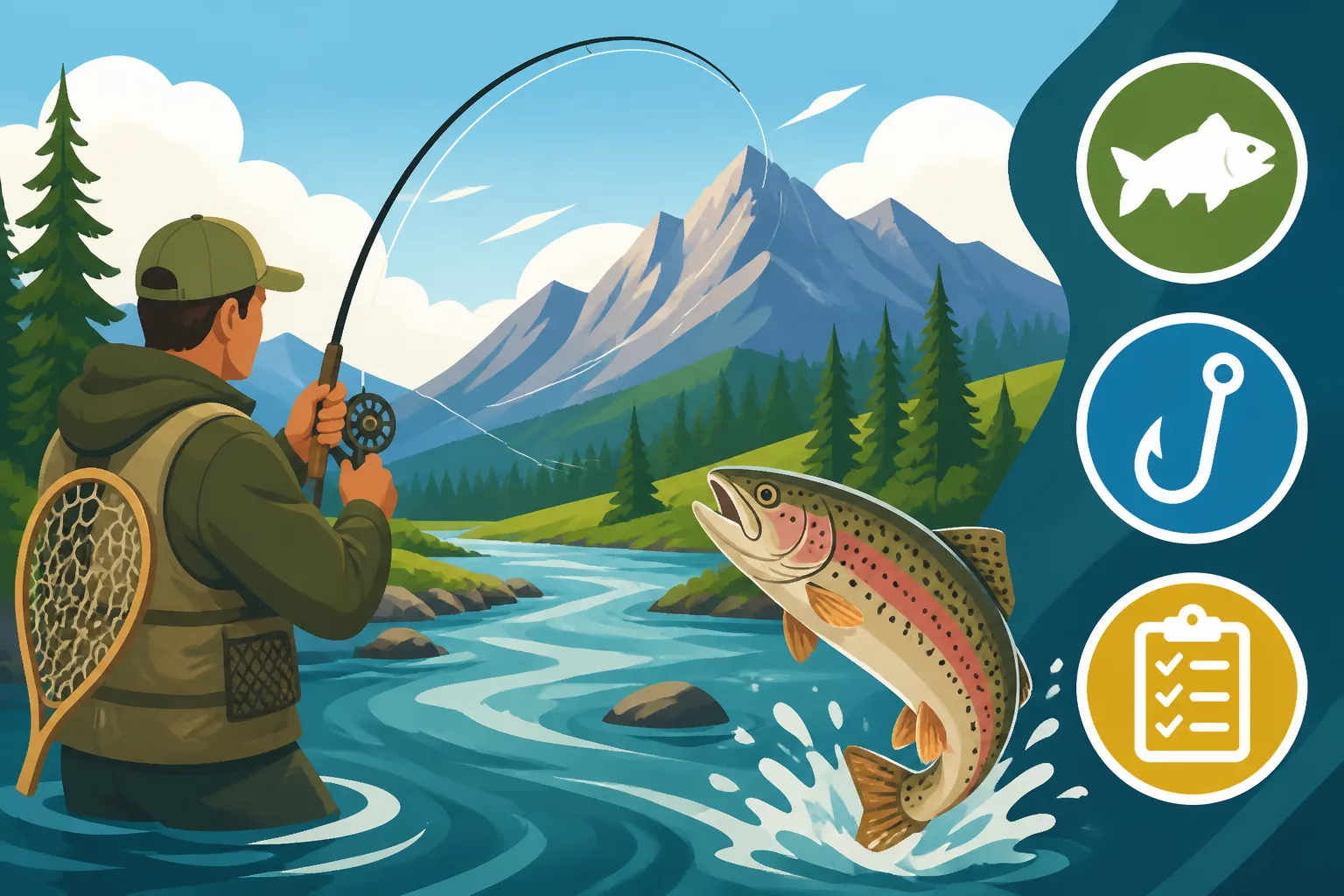
Alberta Crowsnest River fishing regulations
Ever felt like you need a law degree just to understand Alberta's fishing regulations? The Crowsnest River, a true jewel for trout anglers in our province, is no exception. Its unique ecosystem and incredible wild trout populations mean it’s subject to some very specific and often stricter rules than other waterways. Misunderstanding these can quickly turn a peaceful day on the water into a frustrating, or even costly, one. This comprehensive guide is here to untangle the complexities of Crowsnest River fishing regulations, ensuring you're well-prepared and compliant for your next adventure to this legendary stream.
The Crowsnest River's Special Place in Alberta Fishing
The Crowsnest River isn't just another stream; it's an iconic destination, celebrated for its pristine waters and robust populations of wild trout. Located in the southwestern corner of Alberta, flowing through the scenic Crowsnest Pass, this river holds a significant place in the hearts of many anglers. Its reputation as one of the Best Fly Fishing Rivers in Alberta isn't just hype; it's a testament to the healthy, self-sustaining populations of rainbow, cutthroat, and brown trout that call it home.
What makes the Crowsnest so special is its delicate balance of accessibility and wildness. You can easily drive alongside much of it, yet sections still feel remote and untouched. This unique combination, however, also makes it incredibly vulnerable to overfishing and environmental impact, which is why the regulations are often more stringent compared to some other waters. Alberta Environment and Protected Areas (AEPA) has put a lot of thought into balancing angler opportunity with long-term ecological health, making it crucial for every angler to understand and respect these rules.
A Legacy of Wild Trout
For decades, the Crowsnest River has been renowned for its prolific wild trout. Unlike many stocked lakes and rivers, a significant portion of the fish you encounter here were born and raised in the river itself, a testament to its ecological integrity. This includes healthy numbers of rainbow trout, often displaying vibrant colours and feisty attitudes, and some truly magnificent brown trout that grow to impressive sizes, offering a thrilling challenge for experienced anglers.
The presence of these wild, self-sustaining populations is a precious resource. It means that the river's health is directly linked to the success of its fish, and vice versa. Anglers often travel from far and wide, including international visitors, specifically to experience the challenge and reward of catching these wild fish. It’s a point of pride for Alberta and a reminder of why our fishing regulations exist – to protect these natural wonders for generations to come.
The Importance of Conservation
The Crowsnest River is a prime example of a water body where conservation isn't just a buzzword; it's the foundation of all fishing activity. The regulations aren't there to make your life harder, but to ensure the sustainability of its precious fish stocks. Over the years, increased fishing pressure, coupled with environmental changes, has necessitated stricter measures to protect these wild fish populations.
This commitment to conservation is particularly evident in the rules surrounding native species. For instance, the river is home to the revered bull trout, which holds a special protected status. Knowing your target species and understanding their vulnerability is paramount when fishing here. Every angler becomes a steward of the river, and adhering to conservation-focused regulations, such as catch-and-release practices for certain species or areas, directly contributes to the river's enduring health and vitality.
Navigating the Crowsnest River's Specific Fishing Zones and Rules
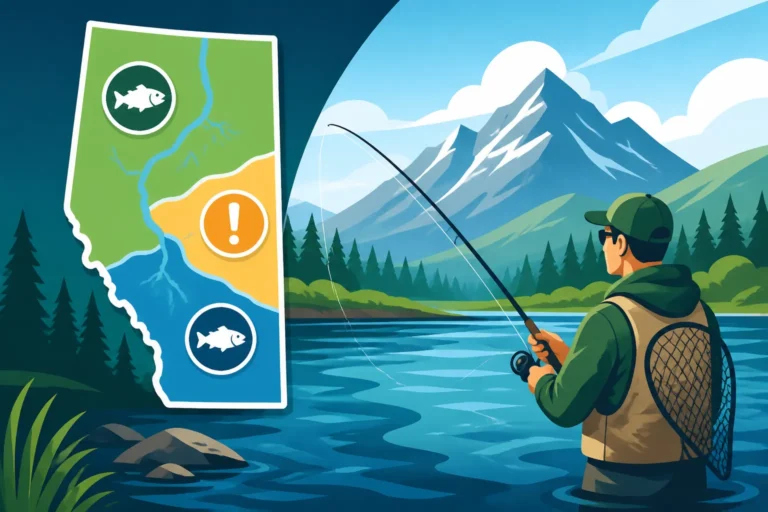
When you're planning a trip to the Crowsnest River, it's not enough to simply have an Alberta Fishing License Guide for 2026. You need to dive into the specifics of this river. The Crowsnest, like many of Alberta's important waterways, isn't a single, uniform entity when it comes to regulations. It's often broken down into distinct management zones, each with its own set of rules regarding season dates, catch limits, and even the type of gear you can use. Failing to check the specific zone you're fishing in is one of the most common mistakes anglers make.
The "Alberta Guide to Sportfishing Regulations" is your bible here, and understanding how to read it is critical. The Crowsnest River falls under the Southwestern Alberta Fisheries Management Zone (ES1), but even within this zone, specific sections of the river can have additional, stricter regulations. This layered approach ensures that localized pressures or unique ecological features can be addressed without applying a blanket rule to the entire region. Always check the current year's guide before heading out.
Zone-Specific Regulations Explained
The Crowsnest River is often divided into different sections, and each section can have its own specific rules. For example, the upper reaches might have different season dates or bag limits than the lower sections closer to communities. These distinctions are put in place by fisheries biologists who assess fish populations, spawning areas, and angling pressure in each specific stretch. You might find a section where the season opens later, or closes earlier, to protect spawning fish, or a stretch with a "zero possession" limit for certain species to aid in their recovery.
For example, a common scenario might involve a section of the river near Lundbreck Falls, where you'll find different rules than a section further upstream. You might encounter a stretch that's open for retention of certain trout species, while just a few kilometers away, it's strictly catch-and-release. This makes it crucial to consult the current regulations, perhaps even using the Alberta Fishing Regulations App and Zone Lookup, Explained, to precisely identify the zone you're in and understand its corresponding regulations. It can feel like a bit of homework, but it’s absolutely essential for a legal and responsible fishing trip.
Here's a simplified example of how Crowsnest River regulations might be structured, though you must always consult the official Alberta Guide to Sportfishing Regulations for the most current information:
| River Section / Zone | Season Dates | Trout Species Allowed | Daily Limit | Gear Restrictions |
|---|---|---|---|---|
| Upper Crowsnest River (e.g., upstream of Hwy 3) | June 16 – Oct 31 | Rainbow, Brown | Catch & Release | Barbless hooks, artificial lures/flies only |
| Mid Crowsnest River (e.g., Hwy 3 to Frank Lake) | May 8 – Oct 31 | Rainbow, Brown, Brook | 1 Trout (any species) | Barbless hooks, artificial lures/flies only |
| Lower Crowsnest River (e.g., downstream of Frank Lake) | Year-round | Rainbow, Brown, Pike | 1 Trout, 3 Pike | Barbless hooks, artificial lures/flies only |
Note: This table is illustrative. Always consult the official Alberta Guide to Sportfishing Regulations for accurate and current information.
Mandatory Barbless Hooks and Gear Restrictions
One of the most defining aspects of fishing the Crowsnest River, especially for trout, is the widespread requirement for barbless hooks. This isn't just a suggestion; it's a mandatory regulation in many of its prime sections. The reason is simple: barbless hooks significantly reduce the harm to fish, especially when practicing catch-and-release, which is often encouraged or even required for sensitive species or in specific zones. A barbless hook slides out much cleaner and quicker, minimizing tissue damage and increasing the fish's chances of survival.
Beyond barbless hooks, you’ll frequently encounter gear restrictions. For instance, many sections of the Crowsnest River are designated as "artificial lure and fly only" waters. This means natural baits like worms, minnows, or salmon eggs are strictly prohibited. These restrictions are often implemented to protect fish from ingesting hooks deeply or to prevent the introduction of invasive species or diseases that can hitchhike on live bait. So, before you pack your tackle box, double-check if your preferred fishing method aligns with the river's rules. If you need new flies or lures, popular online retailers like Amazon offer a wide selection that adheres to these regulations.
Understanding Catch and Release Sections
Catch and release is a cornerstone of responsible angling on the Crowsnest River. Many sections are designated as "catch-and-release only" for all trout species, or specifically for vulnerable ones like bull trout. This practice ensures that even if a fish is caught, it lives to spawn another day, contributing to the health of the population. It's not just about letting the fish go; it's about doing so in a way that maximizes its survival.
This means handling fish gently, keeping them in the water as much as possible, using wet hands, and avoiding squeezing or prolonged air exposure. Even when a specific species has a small retention limit, many dedicated anglers choose to release their catch anyway, further contributing to the river's conservation efforts. For a deeper dive into responsible angling, especially when it comes to sensitive species, you might find information on Alberta Bull Trout Zero Possession Rule or How to Catch Bull Trout and Release Them Safely invaluable.
Targeting Fish Species in the Crowsnest River
The Crowsnest River is primarily known as a trout fishery, attracting anglers eager to pursue rainbow, brown, and cutthroat trout. However, understanding the specific regulations for each species is paramount, as limits and conservation statuses can vary. It’s not a one-size-fits-all approach when you’re on this particular river.
Beyond trout, other species might inhabit the Crowsnest, particularly in its lower reaches, but trout are generally the main draw and the focus of most of the stringent rules. Being able to correctly identify your catch is a critical skill here. Misidentifying a protected species, even accidentally, can lead to serious penalties, so take the time to learn the distinguishing features of each fish you might encounter.
Trout Species and Their Limits
The stars of the Crowsnest River are undoubtedly its trout. You'll find vibrant rainbow trout, often eager to rise to a dry fly or chase a spinner. Brown trout, known for their elusive nature and larger sizes, also thrive in the Crowsnest, offering a true trophy opportunity. Additionally, native cutthroat trout, while less common in some stretches, are present and are a beautiful catch. Each of these species might have different daily limits or be subject to catch-and-release only rules depending on the river section.
For instance, you might be allowed to keep one rainbow trout over a certain size in one section, while brown trout in the same area are strictly catch-and-release. The number of fish you can possess (the "possession limit") is also crucial – it's typically the same as the daily limit, meaning you can only have that many fish of a particular species in your possession, whether fresh or frozen. Always consult the Alberta Fishing Regulations Explained to confirm current limits for the specific species and zone you are fishing in to avoid any misunderstandings.
Protecting Bull Trout
Perhaps the most critical regulation on the Crowsnest River relates to bull trout. Bull trout are a native, iconic species in Alberta's mountain and foothill streams, but their populations have faced significant challenges. As a result, bull trout across much of Alberta, including the Crowsnest River, are subject to a strict zero possession limit. This means if you catch a bull trout, it must be immediately released, unharmed, back into the water.
Identifying bull trout correctly is crucial. They can sometimes be confused with lake trout or brook trout, so knowing the specific markings and fin structures is vital. Bull trout generally have lighter spots on a darker body, whereas brook trout have worm-like patterns (vermiculations) on their back. If you are ever unsure, it's always best to assume it's a bull trout and release it. This precautionary approach helps safeguard this sensitive species and ensures you comply with the law. Learning about the Bull Trout: Alberta's Threatened Native Fish is not just informative, it’s a commitment to protecting these magnificent fish.
Practical Tips for a Successful and Compliant Crowsnest Trip
Fishing on the Crowsnest River is an experience, but it requires careful planning to ensure both an enjoyable and compliant outing. It's not just about knowing the rules; it's about being prepared for the conditions and understanding the etiquette that helps preserve this special fishery. From understanding the best times to fish to having the right gear, a little foresight goes a long way.
One of the biggest frustrations anglers face is arriving at a river only to find they’re unprepared for its unique demands. Whether it's the wrong fly selection, inadequate wading gear, or simply not knowing the local access points, these small oversights can detract from the overall experience. This section aims to equip you with the practical advice you need to make your Crowsnest River trip a success.
Seasonal Considerations
The Crowsnest River experiences distinct seasons, each offering unique angling opportunities and challenges, and each influencing the regulations. Spring, for instance, often sees higher water levels due to snowmelt, which can affect accessibility and the fish's behaviour. This is also when some species are spawning, leading to specific closures or restrictions. The Alberta Trout Season Opener Dates by Zone will be a critical piece of information for spring anglers.
Summer brings warmer temperatures and lower, clearer water, often ideal for dry fly fishing, but also making fish more wary. Fall offers stunning scenery and can provide some incredible fishing as trout become more aggressive before winter. Ice fishing is not typically a prominent activity on the Crowsnest River itself due to its flowing nature, but nearby stillwaters might offer opportunities. Always remember to check the specific Alberta Fishing Season Dates by Zone for the Crowsnest River to ensure your planned trip falls within legal fishing periods.
Essential Gear and Preparedness
Having the right gear is crucial for a safe and enjoyable Crowsnest River experience. Given the often cold, clear water and the need for careful fish handling, waders and proper wading boots are almost non-negotiable, particularly if you plan on accessing different parts of the river. The riverbed can be rocky and slippery, so good traction is vital for safety. Many anglers prefer breathable waders for comfort, especially those available on platforms like Amazon, which often have reviews specifically mentioning their suitability for rocky rivers.
Beyond personal attire, consider your fishing setup. Since many sections mandate artificial lures or flies and barbless hooks, ensure your tackle box is stocked accordingly. A quality pair of long-nosed pliers or forceps is essential for quickly and gently removing hooks, especially when practicing catch and release. A landing net with a fine, knotless mesh is also highly recommended to minimize harm to fish. If you're wondering about specific tackle, an article like How to Fish the Crowsnest River for Trout might offer more tailored advice.
Angler Etiquette and Reporting
Beyond official regulations, angler etiquette plays a huge role in maintaining the quality of the Crowsnest River fishery. This includes respecting other anglers' space, avoiding "high-holing" (fishing too close to someone already on a spot), and keeping noise to a minimum. Also, always pack out everything you pack in – leave no trace. This means picking up any discarded fishing line, food wrappers, or other litter.
Conservation is a collective effort. If you witness poaching or any activity that violates fishing regulations, it's your responsibility to report it. The Report a Poacher line (1-800-642-3800) is there for a reason, and it's a vital tool in protecting Alberta's natural resources. By being a responsible angler, not only do you ensure your own compliance, but you also contribute to the long-term health and enjoyment of the Crowsnest River for everyone. Remember, the river is a shared resource, and our actions directly impact its future.
Disclaimer
The information provided in this guide is for general informational purposes only and is not a substitute for the official Alberta Guide to Sportfishing Regulations. Regulations can change frequently. Always consult the most current official guide published by Alberta Environment and Protected Areas before engaging in any fishing activities.