Alberta Youth Fishing License Exemption Under 16
It's incredibly frustrating when you're trying to introduce a young one to the joys of fishing in Alberta, only to get bogged down in confusing regulations about who needs what license. You want to focus on the excitement of the catch, the peaceful moments by the water, and building those cherished memories, not deciphering government documents. This comprehensive guide is here to clear up all the confusion surrounding the Alberta youth fishing license exemption, specifically for those under 16, so you can spend less time worrying and more time fishing.
Navigating Alberta's Youth Fishing License Exemptions
Alberta has made it wonderfully straightforward for the youngest generation to get out on the water and experience the thrill of fishing. The intention is to encourage participation and foster a love for the outdoors from an early age, removing some of the barriers that might otherwise deter families. Understanding the core exemption is the first step to a stress-free fishing trip with your kids or grandkids.
The Core Exemption Rule for Young Anglers
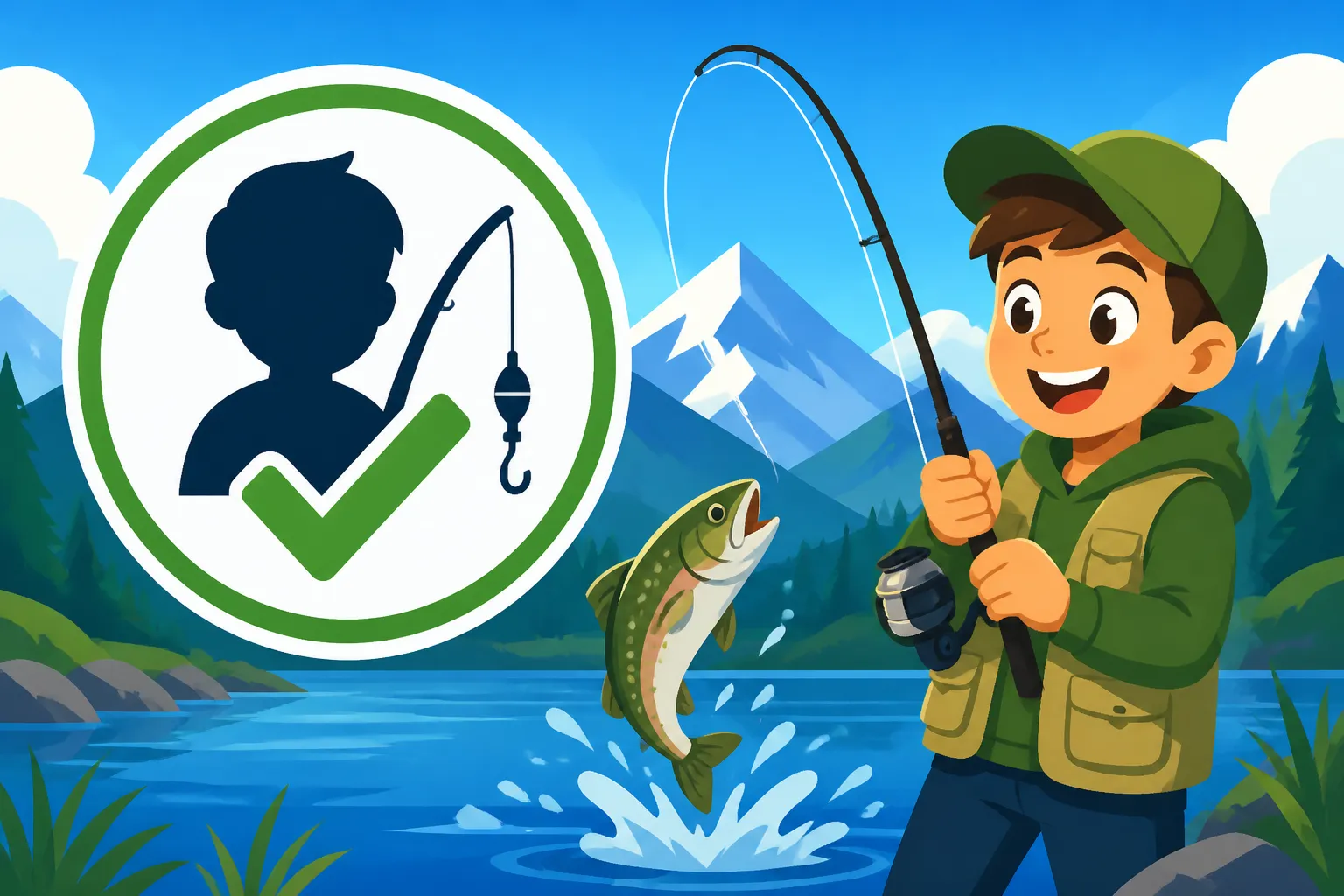
At its heart, the rule is quite simple: any resident or non-resident person under 16 years of age does not need an Alberta fishing license to sportfish in the province's waters. This is fantastic news for families, as it means you don't have to worry about additional costs or paperwork for your little ones. Imagine a beautiful summer day by a calm lake, your 12-year-old daughter casting her line with the biggest grin, completely free from the bureaucratic hurdles that adults often face. She can fish alongside you, enjoying every moment, without needing her own separate permit. This exemption applies to all general sportfishing opportunities throughout Alberta. It's a key part of Alberta's approach to encouraging new anglers, making it easier for parents or guardians to introduce children to the sport. While the adults still need their own licenses, the kids can focus purely on the fun of fishing.
This exemption is designed to be inclusive, ensuring that cost isn't a barrier for youth engagement. So, if you're planning a trip to a stocked pond or a family-friendly river, your under-16 angler can grab a rod and reel and join right in. This ease of access can be a real game-changer, sparking a lifelong passion for fishing in young people. It's also important to note that this exemption is about the license itself. It doesn't mean they can ignore all the other rules, but we'll get into that a bit later. For now, breathe easy knowing that if your child is under 16, they're good to go on the license front.
Distinguishing Residents from Non-Residents
A common question that often comes up is whether this under-16 fishing license exemption applies universally, regardless of residency. The answer is a resounding yes! Whether your young angler is an Alberta resident, a Canadian non-resident from, say, British Columbia, or an international visitor from the United States, they are all exempt from needing a fishing license if they are under 16 years of age. This means a family vacation to the Rockies, perhaps to fish one of the stunning Kananaskis Lakes, can include all the kids, no matter where they call home, without extra license fees for them.
While the under-16s are exempt from needing a license, the residency status of the accompanying adult is still very relevant. Adults (16 years and older) who are supervising these young anglers do need the appropriate license for their residency status. For example, if you're visiting from Saskatchewan with your 14-year-old, your child won't need a license, but you, as the adult, will need an Alberta non-resident Canadian fishing license. It's a crucial distinction, as the rules for adults are clearly laid out in the broader "Alberta Fishing License Guide for 2026". This ensures that while we encourage youth participation, the overall management of our fisheries remains regulated through the adult licensing system. The exemption is purely for the child's individual license requirement, not a blanket pass for everyone in the group.
Why a WIN Card Still Matters for Young Anglers
Even though anglers under 16 are exempt from needing a fishing license, there's another piece of identification that often causes confusion: the Wildlife Identification Number (WIN) Card. Many parents wonder if their child needs one, especially if they aren't purchasing a license. It's a valid question, and understanding the role of the WIN Card can prevent future headaches and open up more opportunities for your young enthusiast.
Understanding the WIN Card's Purpose
The WIN Card isn't a fishing license itself; rather, it's a unique identification number that you need to purchase any licenses or participate in draws related to hunting and fishing in Alberta. Think of it as your personal angler ID number. For youth under 16 who are exempt from needing a fishing license, they don't technically need a WIN Card to go fishing. They can happily cast their lines all season long without one. However, there's a significant "but" to this. If your child ever plans to purchase an Alberta fishing license once they turn 16, or if they want to participate in special harvest draws before then (for example, the Alberta Walleye Special Harvest Licence Program, which we’ll touch on later), they will absolutely need a valid WIN Card.
So, while not immediately necessary for fishing under the age of 16, getting a WIN Card for your child can be a forward-thinking step. It acts as a permanent record within the provincial system, simplifying future transactions. Many parents find it convenient to acquire a WIN Card for their child a year or two before their 16th birthday, or even earlier if there's an interest in specific draws. The process is straightforward and can often be done online through the MyWildAlberta portal or at an authorized vendor, as detailed in "Alberta WIN Card, Explained". It's a small investment in time that pays off in convenience down the road, ensuring a smooth transition when they officially need their own license.
Benefits and Future Considerations for Youth with WIN Cards
Having a WIN Card as a young angler, even when exempt from needing a license, unlocks several practical benefits and opportunities as they grow. The most immediate advantage is the ease of transition when they eventually hit their 16th birthday. Instead of scrambling to get a WIN Card and then a license, they already have their unique identifier in the system. This means when that milestone birthday arrives, they can simply log in with their WIN, purchase their "Alberta Fishing License Guide for 2026" directly, and be ready to hit the water without delay. It streamlines the whole process, making their first adult fishing license purchase seamless and simple.
Beyond just purchasing a general license, a WIN Card also allows young anglers to participate in various provincial draws and programs that might interest them, even if they're not yet 16. For instance, while most special harvest licenses are typically for adults, having a WIN Card is the prerequisite for any participation in these draws. This could include future opportunities that might arise, or simply getting them familiar with the system. It's about empowering them to be active participants in Alberta's wildlife management programs when they're ready. Think of it as building their angling resume – it's a foundational step that acknowledges their commitment to the sport and prepares them for full engagement as adult anglers.
Rules and Responsibilities While Fishing Without a License
The exemption for youth under 16 is a fantastic perk, but it's vital to remember that it applies only to the license requirement. It does not, under any circumstances, exempt young anglers from following Alberta's comprehensive fishing regulations. This is a common point of confusion, and it's absolutely crucial for parents and guardians to understand and enforce. Fishing responsibly means respecting the rules, regardless of age.
Adhering to Alberta Fishing Regulations
Even though your child doesn't need a license, every other rule in the Alberta Guide to Sportfishing Regulations still applies to them. This includes daily bag limits, possession limits, size restrictions, specific tackle restrictions (like bait bans or "Alberta Barbless Hook Requirement Waters"), and season dates for particular water bodies or species. Imagine your 14-year-old joyfully reeling in a beautiful bull trout from a stream in the Crowsnest River valley. While they don't need a license, bull trout in Alberta have a zero possession limit in most waters. If your child doesn't understand this and decides to keep it, you, as the supervising adult, could face serious consequences. It's a tough lesson to learn the hard way.
This means it's the supervising adult's responsibility to ensure the youth angler is fishing within the law. Before heading out, always consult the current "Alberta Fishing Regulations Explained" for the specific fishing zone and water body you're visiting. Pay close attention to "Alberta Bag and Possession Limits by Species" and "Alberta Fishing Season Dates by Zone". Ignorance of the rules is not an excuse, and fisheries officers are vigilant about protecting our natural resources. Teaching your kids these regulations early not only keeps you out of trouble but also instills a deep respect for conservation and responsible angling practices. It’s part of the educational experience of fishing.
Adult Supervision and Accountability
When a youth under 16 is fishing without a license, the onus of responsibility and accountability falls directly on the supervising adult. You are, in essence, their guide and their legal guardian in the fishing realm. If your child accidentally (or intentionally) breaks a regulation – whether it's keeping an undersized fish, exceeding a bag limit, or using prohibited bait – the legal repercussions will likely fall on you, the licensed adult present. This isn't meant to scare you away from taking kids fishing, but to emphasize the importance of diligent supervision and education.
Consider a scenario: you're at a popular lake where the walleye limit is three. Your 10-year-old, in their excitement, catches a fourth walleye. If they put it in the cooler, and a fisheries officer checks your catch, you will be held accountable for exceeding the limit, even though your child caught it. The penalties for such infractions can range from significant fines to the confiscation of fishing gear, and even a ban from fishing in Alberta, as highlighted in "Alberta fishing without a license penalty". Therefore, it’s imperative to be constantly aware of what your young angler is doing, guide them through the process, and teach them proper catch-and-release techniques when necessary. Make sure they understand that every fish caught, regardless of who caught it, counts towards the total limit for the group. This proactive approach ensures a safe, legal, and enjoyable experience for everyone.
Essential Gear and Preparing Young Anglers
Getting your youth angler ready for their fishing adventure involves more than just understanding regulations; it's also about equipping them with the right tools and knowledge. Having appropriate gear makes the experience more enjoyable and successful for kids, which in turn fosters their love for the sport. You don't need to break the bank, but a few thoughtful choices can make a huge difference.
Selecting Age-Appropriate Tackle
For young, beginner anglers, simplicity and ease of use are key. Overly complicated or heavy gear can quickly lead to frustration. A simple spinning rod and reel combo, often referred to as a "spincast" setup, is typically the best starting point. These often come pre-spooled with line and have a push-button casting mechanism that's incredibly easy for small hands to master. You can find excellent, durable beginner combos from brands like Ugly Stik or Zebco on platforms like Amazon, offering a great balance of quality and affordability. Look for rods around 4.5 to 6 feet long, paired with a lightweight reel.
Beyond the rod and reel, think about the terminal tackle. For panfish (like perch) or stocked trout, simple bobber rigs with a small hook and a worm or corn can be incredibly effective and visual, making it exciting for kids to see the bobber disappear. A small tackle box, not overflowing with too many options, but containing a few essential hooks, sinkers, bobbers, and maybe a couple of brightly colored spoons or spinners, is perfect. You can find pre-made beginner tackle kits on Amazon that provide a great starting point, saving you the hassle of assembling every little piece. Remember, the goal is to create a positive experience, and manageable gear contributes significantly to that success. For more detailed advice, you might want to check out "Best Rod and Reel Combo for Beginners" to guide your purchase.
Safety Gear and Fishing Essentials
While the excitement of the catch is paramount, safety should always come first, especially when fishing with children. Regardless of whether you're on a boat or fishing from shore, a properly fitted life jacket is non-negotiable if there's any risk of falling into the water. Even strong swimmers can be caught off guard by cold water or unexpected currents. You can find comfortable and child-sized life jackets readily available, including a wide selection on Amazon, often with bright colors for visibility.
Beyond water safety, consider sun protection. Long days on the water mean extended exposure to UV rays, so wide-brimmed hats, sunglasses, and high-SPF sunscreen are essential. A small first-aid kit is also a wise addition to your fishing bag, ready for minor cuts from hooks or scrapes from rocks. Don't forget bug spray, especially during Alberta's summer months! A compact tackle box, like those mentioned in "Best Tackle Box Setup for Alberta Anglers", should also include essentials like a pair of needle-nose pliers for hook removal (safer for both fish and fingers) and a small pair of line cutters. Packing plenty of water and snacks will also keep spirits high, ensuring your young angler has the energy to enjoy a full day of fishing.
Common Questions and Practical Advice for Families
Taking kids fishing is one of the most rewarding experiences, but a few unique questions often pop up when dealing with youth anglers and their license exemptions. Addressing these ahead of time can make your family's outing even smoother and more enjoyable.
What About Fishing Derbies or Special Events?
Fishing derbies and special events geared towards children are fantastic ways to introduce them to the sport in a fun, community-focused setting. The good news is that for most youth-oriented derbies in Alberta, the general under-16 fishing license exemption still applies to participation in the actual act of fishing. This means your child can usually cast their line and compete for prizes without needing to purchase a provincial fishing license. These events are often specifically designed to be accessible and encouraging for young, new anglers, so organizers typically ensure that the license exemption is understood and honored.
However, it's always a good practice to double-check the specific rules and requirements for any particular derby or event your child wishes to enter. Some derbies, especially those with significant prizes or specific formats, might have their own registration fees or specific rules that apply to all participants, regardless of age. They might ask for a waiver to be signed or for a minimal entry fee. Before you go, a quick call or check on the event's website will confirm any additional requirements. This way, you avoid any last-minute surprises and ensure your young angler can fully enjoy the excitement of the competition without any hitches. These events are great for fostering a sense of community among anglers and building confidence in young fishers.
Teaching Conservation and Ethics
Introducing children to fishing is also a prime opportunity to instill a deep appreciation for conservation and ethical angling practices. It's not just about catching fish; it's about understanding their habitat, ensuring sustainable populations, and respecting the environment. Even without a license, young anglers are part of the broader fishing community, and learning these values early on is incredibly important. Teach them about catch-and-release, especially for species with sensitive populations like bull trout, where an "Alberta Bull Trout Zero Possession Rule" is in place. Show them how to properly handle a fish, minimizing stress and injury before release.
Emphasize the "leave no trace" principle – always pack out what you pack in, and perhaps even a little more. Teach them to pick up any discarded fishing line or trash they might find. Explain why it's important to respect private property and other anglers. Use every moment as a teaching opportunity: why are there length limits? Why do certain lakes have specific season dates? This knowledge empowers them to be responsible stewards of our aquatic environments. Fishing is more than a pastime; it's a connection to nature, and by teaching conservation, you're helping to preserve that connection for future generations.
| Age Group | Fishing License Required | WIN Card Required | Key Notes |
|---|---|---|---|
| Under 16 | No (Exempt) | No (Exempt) | Can fish legally without a license. Must still follow all fishing regulations. |
| 16 and Older | Yes | Yes | Must possess a valid Alberta fishing license and a WIN Card. Specific costs apply based on residency. |
| Seniors (65+) | No (Exempt) | Yes | Alberta residents 65+ are exempt from license fees but still need a WIN Card to obtain their free license. |
| Disabled Residents | Potentially Exempt | Yes | May qualify for free or discounted licenses with a valid WIN Card and proof of disability, as per specific criteria. |
Disclaimer
The information provided in this guide is for general informational purposes only and is not a substitute for the official Alberta fishing regulations. Regulations can change, and it is the responsibility of every angler to consult the current Alberta Guide to Sportfishing Regulations before heading out on the water. While we strive to keep information accurate and up-to-date, we cannot guarantee its absolute correctness or completeness. Always refer to the official provincial resources for the most precise and legally binding details.